
The risk in buying a tool is not the monthly price, it is the month you spend learning a system that turns out to be wrong for your work. The best ai tools for film directors below each carry an honest warning about who should not buy them, so you can rule out the wrong options before the trial starts.
All film work prices below are published starting prices as of late 2026, and annual billing is noted where it changes the number. Start with the shortlist, then read the reviews that match the film work you do most. No crew needs all 8 of these tools. A general tool plus a specialist covers most film work, and a third tool earns its place only by fixing one specific weekly pain.
Each review below names the daily film job its tool does best, so pick two and stop shopping. The best ai tools for film directors are not ranked by price alone, because the cheapest tool that cannot do your job is the most expensive mistake on this list.
The Shortlist, Summed Up
The table below matches each common short film to the single tool that handles it best. Use it to narrow the best ai tools for film directors to two or three candidates before you read the full reviews. Monthly list prices apply unless noted, and annual billing usually beats monthly billing for film teams.
| Job | Best tool | Why it wins |
|---|---|---|
| Script-to-storyboard planning. | LTX Studio | Free plan with 800 one-time credits, then Lite at 15 dollars a month. |
| Stylised shots, effects and in-app sound. | Runway | Free plan with 125 one-time credits, then Standard at 15 dollars a month. |
| Look development and reference frames. | Midjourney | Basic from 10 dollars a month. |
| Directed shots with consistent characters and camera control. | Higgsfield AI | Free plan, then Starter at 15 dollars a month. |
| HDR and EXR footage for grading. | Luma Dream Machine | Plus from 30 dollars a month. |
| Dialogue, voices, music and sound effects. | ElevenLabs | Free plan, then Starter from 6 dollars a month. |
| Storyboard planning for teams that present to clients. | Boords | Solo from 39 dollars a month. |
| AI storyboards with consistent characters. | Katalist | Essential from 19 dollars a month. |
How We Chose the Best AI Tools for Film Directors
A tool earned a place here only if it does a real short film in 2026, not if it added an AI label to an old product. The best ai tools for film directors were judged on five things that decide whether a team keeps paying after the first year.
The job came first, since a tool that handles one film output format well beats a platform that handles five badly for film directors. Published pricing and scaling came second, with per-seat charges that move the real bill for film teams as the team grows. Output quality came third, because errors in film work results cost more in lost trust than the subscription saves.
Fourth, workflow fit for film teams, because a tool that cannot sit inside the way the team already works forces a rebuild of the whole film work process. Fifth, the catch, from free plans that watermark film work exports to libraries that repeat the same ten templates. The table below turns those five checks into questions film directors should ask before buying.
| Check before you buy | What to ask | Why it matters |
|---|---|---|
| Real job fit | Does it do my weekly job well | A poor fit wastes the subscription |
| Published price | What does year two cost | Hidden rises break the budget |
| Output quality | Is the result good enough to ship | Errors cost trust with clients |
| Workflow fit | Does it connect to my other tools | A disconnected tool adds manual work |
| Free plan limits | What is locked behind the paywall | A locked export cannot be used |
| Contract terms | Monthly or annual, and what changes | Annual billing locks the price, not the need |
Each Tool, Reviewed
1. LTX Studio
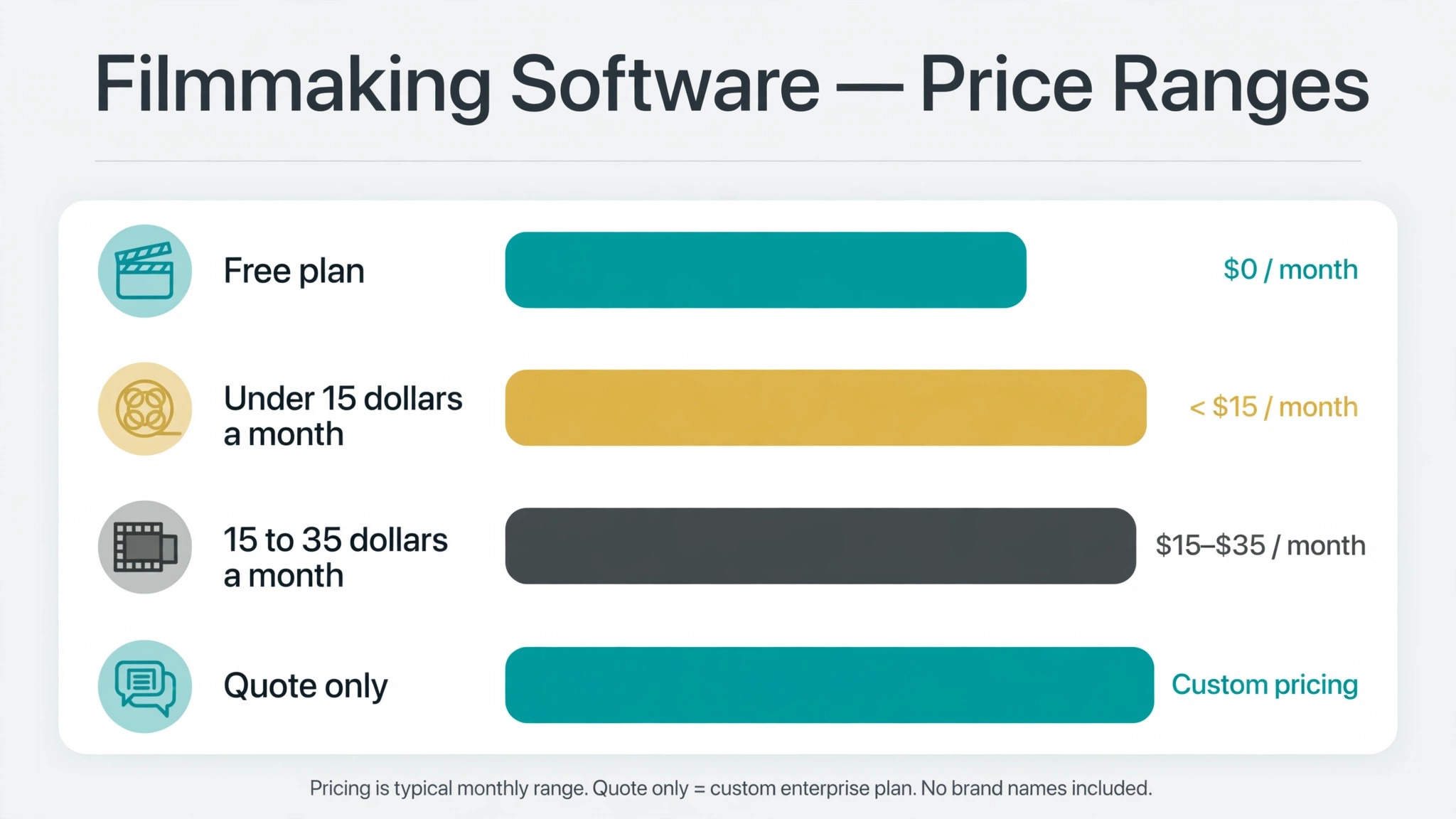
Starting price Free plan with 800 one-time credits, then Lite at 15 dollars a month. Best for Script-to-storyboard planning. Watch out AI storyboards and the commercial licence start on Standard at 35 dollars a month.
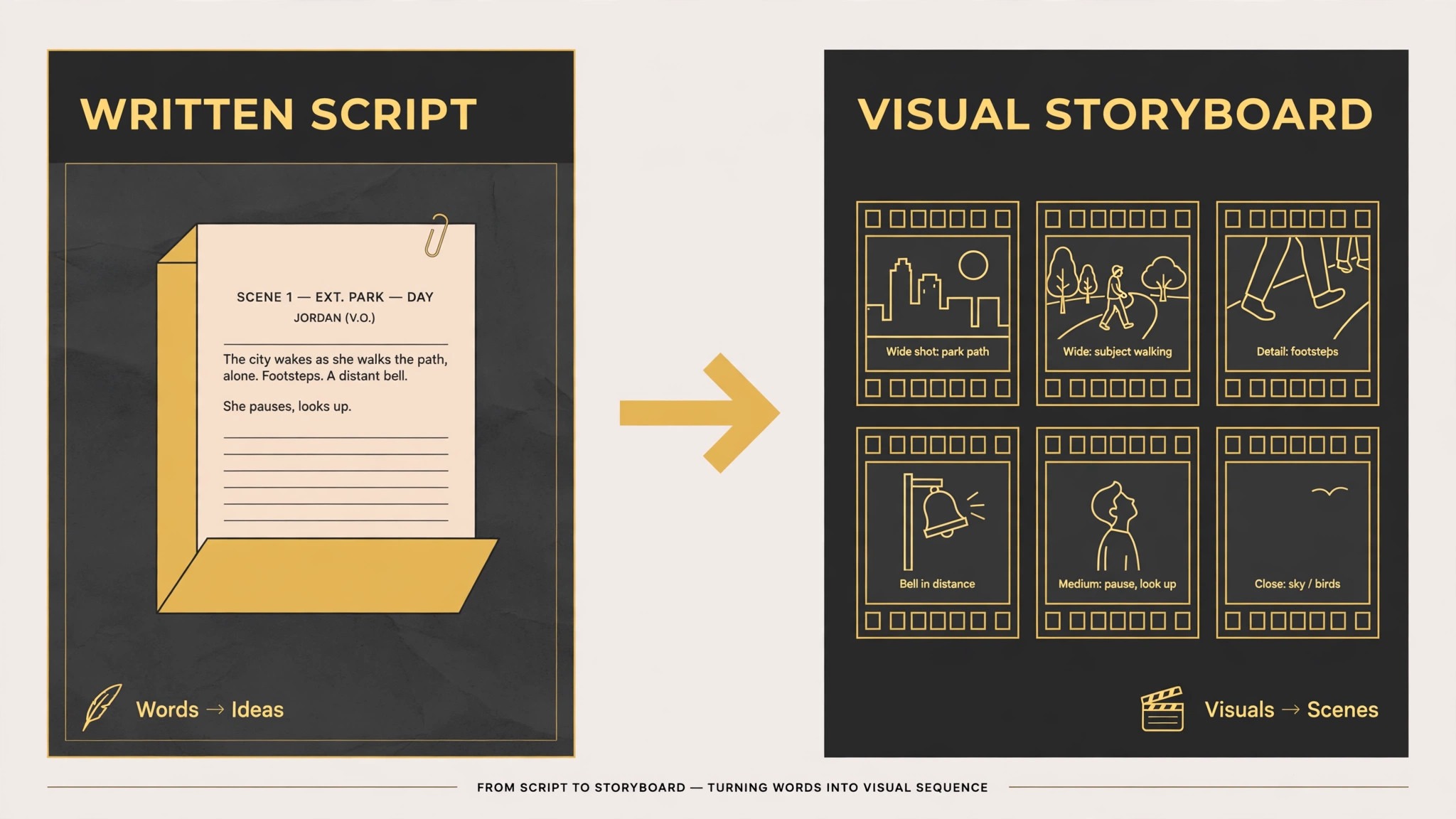
LTX Studio turns a script into scenes and a storyboard, then lets a director generate shots from those boards in the same project. It covers text-to-video, image-to-video and video-to-video generation, with camera controls, keyframes and visual references built in. Lite at 15 dollars a month gives 8,000 credits, while Standard at 35 dollars a month unlocks AI storyboards, saved Elements and the commercial licence.
The strength is the planning workflow. A director can go from script to board to shot without leaving the project, and consistent characters carry across scenes. The catch is the tier wall: the features a working director needs start at 35 dollars a month. For pre-production planning, LTX Studio earns its place.
2. Runway
Starting price Free plan with 125 one-time credits, then Standard at 15 dollars a month. Best for Stylised shots, effects and in-app sound. Watch out Credits buy seconds of video, so long takes get expensive fast.
Runway is the best-known generative video platform, with Gen-4.5 models, image and video references, Aleph editing and Seed Audio built in. Standard at 15 dollars a month buys 625 credits, about 52 seconds of Gen-4.5 video, while Pro at 35 dollars buys 2,250 credits and Max at 95 dollars buys 9,500. Team plans pool credits across seats.
The strength is the model quality and the toolset. A director can generate a shot, extend it, change its style and add sound in one app. The catch is the credit math: video is charged by the second, so a minute of footage costs real money. For stylised shots, Runway earns its place.
3. Midjourney
Starting price Basic from 10 dollars a month. Best for Look development and reference frames. Watch out It makes stills, not video, so it covers pre-production only.
Midjourney remains the strongest tool for look development: a director can generate reference frames, test a colour palette, design a set or explore a character’s look in minutes. The images carry a cinematic quality that storyboards rarely achieve, which helps a pitch land with producers and investors. Basic from 10 dollars a month is the cheapest paid step here.
The strength is the visual quality. A reference frame from Midjourney communicates a look faster than a paragraph of description. The catch is scope: stills only, so the director still needs a video tool for the shots. For look and reference frames, Midjourney earns its place.
4. Higgsfield AI
Starting price Free plan, then Starter at 15 dollars a month. Best for Directed shots with consistent characters and camera control. Watch out A newer platform, so the workflow is still maturing.
Higgsfield AI is built for directed shots: AI Cast keeps characters consistent, the Director’s Panel controls camera moves, and the tool handles voice, sound and edit handoff in the same project. It covers characters, shots, sound and the handoff to Premiere Pro or DaVinci Resolve. Starter at 15 dollars a month is the entry point.
The strength is director control. Camera moves, consistent cast and edit handoff in one tool suit a director who thinks in shots, not prompts. The catch is youth: the platform is newer than Runway, and the workflow is still maturing. For directed shot-making, Higgsfield earns its place.
5. Luma Dream Machine
Starting price Plus from 30 dollars a month. Best for HDR and EXR footage for grading. Watch out No free individual tier, and the price is higher than the rivals.
Luma’s Dream Machine generates video with HDR and EXR output for professional grading, which suits directors who finish in DaVinci Resolve. Plus at 30 dollars a month buys 10,000 credits, Pro at 90 dollars buys 40,000, and Ultra at 300 dollars buys 150,000. The output quality holds up under colour work better than most generators.
The strength is the finishing quality. HDR and EXR output mean the generated shot survives a real grade, which is rare in this category. The catch is the price: 30 dollars a month with no free tier is a commitment. For grade-ready footage, Luma earns its place.
6. ElevenLabs
Starting price Free plan, then Starter from 6 dollars a month. Best for Dialogue, voices, music and sound effects. Watch out Voice cloning raises consent questions, so clearances matter.
ElevenLabs covers the sound side of a film: dialogue generation, voice cloning, sound effects and music, with voices that sound natural enough for scratch tracks and temp dialogue. A director can hear a line read in the right voice before casting, or generate crowd and ambience beds for a scene. Starter from 6 dollars a month is the cheapest entry here.
The strength is the voice quality. Temp dialogue that sounds human changes how a scene reads in the edit. The catch is consent: cloning a voice needs clear permission, and the legal position is still settling. For dialogue and sound, ElevenLabs earns its place.
7. Boords
Starting price Solo from 39 dollars a month. Best for Storyboard planning for teams that present to clients. Watch out It plans boards; it does not generate video.
Boords is a dedicated storyboarding tool with AI image generation, animatics and client presentation features. A director can build a board, add camera notes and movement, and share a presentable animatic with a client or a producer. Solo from 39 dollars a month covers one user, with team plans above it.
The strength is the presentation. Boords boards look like a professional deliverable, not a sketch, which matters when a client approves the spend. The catch is scope: it plans the film, it does not shoot it. For client-facing boards, Boords earns its place.
8. Katalist
Starting price Essential from 19 dollars a month. Best for AI storyboards with consistent characters. Watch out A focused tool, so it needs a video partner for the shots.
Katalist generates storyboards with consistent characters and styles, turning a script into a visual plan in minutes. It suits directors who need boards fast for a pitch or a pre-production meeting, with character consistency that holds across a sequence. Essential from 19 dollars a month is the entry tier.
The strength is speed to a consistent board. A script becomes a visual sequence the same day, with characters that look the same from shot to shot. The catch is the narrow scope: Katalist boards the film, and another tool makes the footage. For fast, consistent boards, Katalist earns its place.
The Best AI Tools for Film Directors Side by Side
The table below puts the best ai tools for film directors side by side on price, best job and free plan, so you can compare the published prices at a glance. Check the best-for column before the price, since a five-dollar tool that fails the main film task costs film directors more than a dearer tool that does it well.
| Tool | Starting price | Best for | Free plan |
|---|---|---|---|
| LTX Studio | Free plan with 800 one-time credits, then Lite at 15 dollars a month. | Script-to-storyboard planning. | Yes |
| Runway | Free plan with 125 one-time credits, then Standard at 15 dollars a month. | Stylised shots, effects and in-app sound. | Yes |
| Midjourney | Basic from 10 dollars a month. | Look development and reference frames. | No |
| Higgsfield AI | Free plan, then Starter at 15 dollars a month. | Directed shots with consistent characters and camera control. | Yes |
| Luma Dream Machine | Plus from 30 dollars a month. | HDR and EXR footage for grading. | No |
| ElevenLabs | Free plan, then Starter from 6 dollars a month. | Dialogue, voices, music and sound effects. | Yes |
| Boords | Solo from 39 dollars a month. | Storyboard planning for teams that present to clients. | No |
| Katalist | Essential from 19 dollars a month. | AI storyboards with consistent characters. | No |
Best Pick by Job
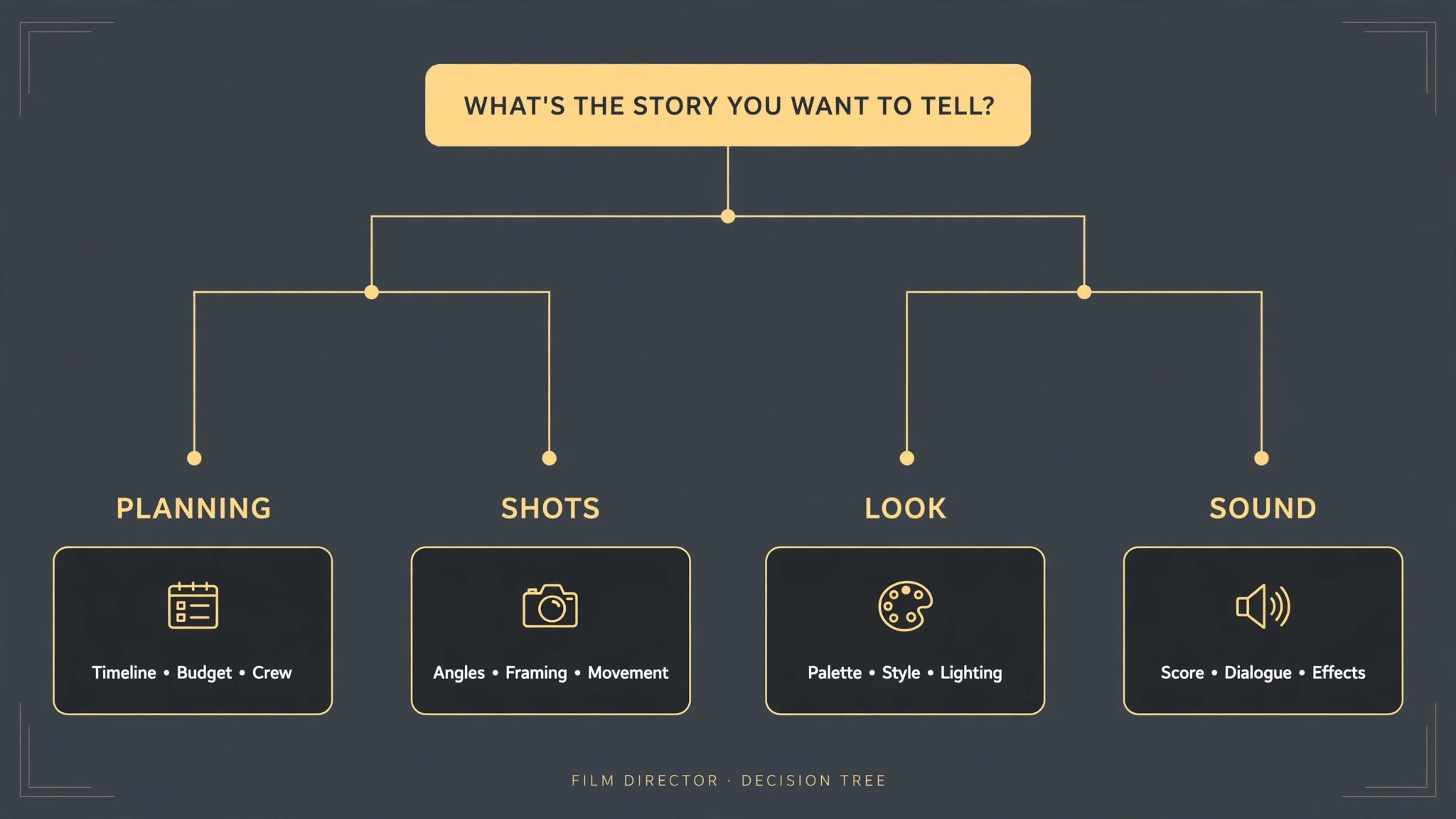
The best ai tools for film directors are not the ones with the longest feature list. Those fix the slowest part of the film work week for film teams. Start from the slow film work part, not from the vendor homepage, and budget the full bill, not the headline price.
Check the export second, for film directors. A flawless editor result that exports with a watermark is unusable, and a single-format export covers one film work channel only. Read the export formats on the pricing page before paying, since the format decides where each film work result can travel.
| Stack for one person | Monthly cost | What it covers |
|---|---|---|
| LTX Studio plus Runway | See prices above | General tool plus specialist |
| LTX Studio alone | See price above | The strongest single pick |
| ElevenLabs plus a free plan | Low cost | Budget start with room to grow |
Your 14-Day Trial Checklist
Use the checklist below on the film trial run, and keep score for film teams. A film tool option that passes five of the six checks is worth paying for, and a tool that fails the first two is not worth a second week.
| Trial check | Pass means | Fail means |
|---|---|---|
| Real work test | It handles your actual weekly job | It only works on sample data |
| Export test | The result exports cleanly | Watermarks or locked formats |
| Speed test | The job finishes faster than before | It adds steps instead of removing them |
| Team test | A colleague learns it in a day | Only the buyer can use it |
| Price test | Year-two cost is clear in writing | The renewal price is a surprise |
| Support test | Help answers within a day | No answer before the trial ends |
Run the trial on a real short film, not on sample data, because sample data hides the problems that real data exposes. Test the export first, since a film software tool that cannot hand back clean work owns it for film directors. Ask for the per-seat price in writing, including what year two costs, because the headline price is rarely the full film work bill. Clock the slowest film pain point before and after the trial, since the gap is the only return that matters for film directors.
Let the daily user test the film software tool, not just the person signing the contract, for film teams. Agree the data rules before importing for film teams, since a cleanup done twice costs more than one done once. One general tool plus one specialist is enough, because five film work tools become a second job. Read the cancellation terms first, so a bad fit ends with a click, not a negotiation, for film directors.
Run the trial on a real short film, not on sample data, because sample data hides the problems that real data exposes. Check the export before paying, because a tool that cannot export film work cleanly owns the work. Get the per-seat price in writing, with year two included, since the headline price rarely covers the full film work bill. Time the slowest part of the film working week before the trial and after it, because the difference is the only return that matters.
Let the daily user test the solid film tool, not just the person signing the contract, for film teams. Agree the data rules before importing for film teams, since a cleanup done twice costs more than one done once. One general tool plus one specialist is enough, because five film work tools become a second job. Read the cancellation terms first, so a bad fit ends with a click, not a negotiation, for film directors.
Run the trial on a real short film, not on sample data, because sample data hides the problems that real data exposes. Test the export first, since a right film tool that cannot hand back clean work owns it for film directors. Ask for the per-seat price in writing, including what year two costs, because the headline price is rarely the full film work bill. Clock the slowest film bottleneck task before and after the trial, since the gap is the only return that matters for film directors.
Let the daily user test the right film tool, not just the person signing the contract, for film teams. Agree the data rules before importing for film teams, since a cleanup done twice costs more than one done once. One general tool plus one specialist is enough, because five film work tools become a second job. Read the cancellation terms first, so a bad fit ends with a click, not a negotiation, for film directors.
Run the trial on a real short film, not on sample data, because sample data hides the problems that real data exposes. Check the export before paying, because a tool that cannot export film work cleanly owns the work. Get the per-seat price in writing, with year two included, since the headline price rarely covers the full film work bill. Time the slowest part of the film production week before the trial and after it, because the difference is the only return that matters.
Let the daily user test the film tool pick, not just the person signing the contract, for film teams. Agree the data rules before importing for film teams, since a cleanup done twice costs more than one done once. One general tool plus one specialist is enough, because five film work tools become a second job. Read the cancellation terms first, so a bad fit ends with a click, not a negotiation, for film directors.
Run the trial on a real short film, not on sample data, because sample data hides the problems that real data exposes. Test the export first, since a film platform tool that cannot hand back clean work owns it for film directors. Ask for the per-seat price in writing, including what year two costs, because the headline price is rarely the full film work bill. Clock the slowest film job itself before and after the trial, since the gap is the only return that matters for film directors.
Let the daily user test the film platform tool, not just the person signing the contract, for film teams. Agree the data rules before importing for film teams, since a cleanup done twice costs more than one done once. One general tool plus one specialist is enough, because five film work tools become a second job. Read the cancellation terms first, so a bad fit ends with a click, not a negotiation, for film directors.
Run the trial on a real short film, not on sample data, because sample data hides the problems that real data exposes. Check the export before paying, because a tool that cannot export film work cleanly owns the work. Get the per-seat price in writing, with year two included, since the headline price rarely covers the full film work bill. Time the slowest part of the full film week before the trial and after it, because the difference is the only return that matters.
Let the daily user test the proper film tool, not just the person signing the contract, for film teams. Agree the data rules before importing for film teams, since a cleanup done twice costs more than one done once. One general tool plus one specialist is enough, because five film work tools become a second job. Read the cancellation terms first, so a bad fit ends with a click, not a negotiation, for film directors.
Run the trial on a real short film, not on sample data, because sample data hides the problems that real data exposes. Test the export first, since a film software tool that cannot hand back clean work owns it for film directors. Ask for the per-seat price in writing, including what year two costs, because the headline price is rarely the full film work bill. Clock the slowest film task today before and after the trial, since the gap is the only return that matters for film directors.
Let the daily user test the film tool option, not just the person signing the contract, for film teams. Agree the data rules before importing for film teams, since a cleanup done twice costs more than one done once. One general tool plus one specialist is enough, because five film work tools become a second job. Read the cancellation terms first, so a bad fit ends with a click, not a negotiation, for film directors.
Run the trial on a real short film, not on sample data, because sample data hides the problems that real data exposes. Check the export before paying, because a tool that cannot export film work cleanly owns the work. Get the per-seat price in writing, with year two included, since the headline price rarely covers the full film work bill. Time the slowest part of the film working week before the trial and after it, because the difference is the only return that matters.
Test the film software tool with the daily user for film teams, not only with the person who signs the contract.
What Readers Ask
Which low-cost film tool option is the best starting point
ElevenLabs is the cheapest credible start, at from 6 dollars a month, and it covers the core job without a long setup. A free plan is worth testing first when one exists, because the trial shows whether the film workflow fits before any money moves. Begin with the most common weekly film daily task, and add a specialist only when the general tool fails a job film directors are paid to do. That is the cheapest route to a film work stack, with no payment for features never used.
Does any film app tool here have a free plan worth trying
Yes, several tools on this list offer a free plan or a free tier, and the best ones are genuinely usable for film work rather than a demo. Limits on volume, exports or seats are the usual catch, so a free plan suiting one person may fail film teams. When you compare the best ai tools for film directors, check what the free tier actually includes, because a free plan that covers your weekly volume is worth more than a cheap paid plan that does not.
What is the best pick for a small team doing film work
LTX Studio is the strongest pick for most small teams, because it covers the core job well and the price scales fairly as the team grows. A small team should buy one general film tool option first and add a specialist only when a specific weekly pain appears, such as a format the general tool cannot handle. Two tools keep the film work stack simple and the bill defensible for film directors.
How long will setup take for film teams
A weekend usually sets these film work tools up properly for film directors, imports and connections included. The slow part is the habit change, since the team must use the new film workflow daily instead of the old spreadsheet. Trial on real work, not sample data, because real work reveals the true setup cost for film teams.
What do film teams get wrong most when buying
The biggest mistake is buying for the feature list instead of the slowest hour of the week, and the second is ignoring credits that buy seconds of video, not minutes. A tool with fifty features that never fixes the slow part of the film production week is a worse buy than a tool with five features that does. Name the costliest film bottleneck task before paying, and buy the tool that does that job best for film directors.
Will switching film work tools later lose the team’s work
Yes, in most cases, because the tools on this list export data in standard formats, and the best ai tools for film directors all support common export options. The harder part is the film workflow, since templates, automations and saved settings rarely transfer cleanly for film teams, so expect a few days of rebuilding. Before the film trial period ends, export the data and keep a copy outside the tool, so switching stays a choice, not a rescue.
Where to Start
If you buy one tool this quarter, buy LTX Studio. It is the strongest all-round pick on this list, with the best balance of price, quality and workflow fit for most film directors. The best ai tools for film directors all work, and the difference is whether the tool matches the short film you actually do, and whether you measure the return in hours saved rather than in features used.
Start with the slowest film pain point of the week, trial on real work, and check every result by eye before it ships, for film teams. These tools earn their place by returning the hours manual film work used to eat, and that return is the test each purchase must pass.