
A human ghostwriter charges 20,000 to 60,000 dollars for a standard nonfiction book, and the work takes months. An AI ghostwriter costs a fraction of that and drafts the first version in weeks, which is why authors, executives and founders are using them to get the book out of their head and onto the page. The best ai tools for ghostwriters do not replace the writer. They replace the blank page, the stalled chapter and the month lost to writer’s block.
This guide compares eight tools on published prices, the ghostwriting job each one does best and the catch that only shows up after the trial ends. All ghostwriting work prices below are published starting prices as of late 2026, and annual billing is noted where it changes the number. Start with the shortlist, then read the reviews that match the ghostwriting work you do most.
A ghostwriter does not need eight tools. One long-form drafting tool plus one editing layer covers most work, and a third tool only earns its place when it fixes a specific weekly pain, such as keeping a novel’s characters consistent or matching a client’s brand voice across many pieces. Each review below names the daily ghostwriting job its tool does best, so pick two and stop shopping. The best ai tools for ghostwriters reward writers who match the tool to the manuscript, not writers who buy the biggest platform.
The Shortlist, Summed Up
The table below matches each common ghostwriting job to the single tool that handles it best. Use it to narrow the best ai tools for ghostwriters to two or three candidates before you read the full reviews.
| Job | Best tool | Why it wins |
|---|---|---|
| Fiction and novels | Sudowrite | Hobby from 10 dollars a month billed annually |
| Brand voice at scale | Jasper | Pro from 59 dollars a seat a month billed annually |
| All-round long-form drafting | Claude | Pro from 20 dollars a month |
| Research plus drafting | ChatGPT | Plus from 20 dollars a month |
| Marketing and sales content | Copy.ai | From 24 dollars a month billed annually |
| High-volume articles | Writesonic | Starter from 79 dollars a month |
| Editing everywhere you type | Grammarly | Pro from 12 dollars a month billed annually |
| Nonfiction book pipeline | Chapter | 97 dollars one-time for nonfiction |
How We Chose the Best AI Tools for Ghostwriters
A tool earned a place here only if it does a real ghostwriting job in 2026, not if it added an AI label to a spellchecker. The tools were judged on five things that decide whether a ghostwriter keeps paying after the first year. First, the writing job it does, from fiction to nonfiction to marketing, because a tool that does one job well beats a platform that does five jobs poorly.
Second, voice, because a ghostwriter’s product is the client’s voice, and a tool that writes in its own voice creates editing work instead of saving it. Third, long-form coherence, because a tool that loses the plot in chapter three is useless for a book. Fourth, whether the price is published and how it scales with volume. Fifth, the catch, from per seat prices that climb with every writer to credit limits that stop a manuscript mid-chapter.
The best ai tools for ghostwriters were also checked for what they cannot do. No tool on this list replaces the interview, the judgement about what belongs in the book, or the edit that makes the draft sound like the client. The AI drafts, the ghostwriter shapes, and the client approves, and any tool that suggests otherwise is selling a promise the craft does not allow.
| Check before you buy | What to ask | Why it matters |
|---|---|---|
| Voice match | Sounds like the client, not the tool | A wrong voice creates editing work |
| Long-form coherence | Holds plot and argument over chapters | A tool that forgets chapter three is useless |
| Client ownership | Who owns the text and the data | Client material must never train a model |
| Volume limits | Words or credits per month | A capped plan stops a manuscript mid-chapter |
| Editing layer | Catches errors where you already type | A draft nobody checks ships with mistakes |
| Free plan limits | Trial or free tier capped | A capped trial may hide the real price |
Every Tool in Detail
1. Sudowrite
Starting price Hobby from 10 dollars a month billed annually. Best for Fiction and novels. Watch out Built for fiction, so the nonfiction features are thinner.
Sudowrite is the only tool on this list built specifically for fiction, and it shows in every feature. Its proprietary Muse model is fine-tuned on published novels, so it understands dialogue rhythm, pacing and genre conventions better than a general model, and its Story Bible keeps characters, settings and plot consistent across a whole manuscript. For a ghostwriter working on a novel, that consistency is the whole value.
The strength is the fiction tooling. First Draft generates chapters, Expand fleshes out scenes, and the Story Bible stops the continuity errors that sink a manuscript. Hobby and Student runs 10 dollars a month billed annually for 225,000 credits, Professional runs 22 dollars for a million, and Max runs 44 for two million. A fiction ghostwriter should trial it on one chapter first.
2. Jasper
Starting price Pro from 59 dollars a seat a month billed annually. Best for Brand voice at scale. Watch out Overkill for a solo writer, and there is no free plan.
Jasper is the premium pick for marketing teams and ghostwriters who manage many clients in one brand voice. Its brand voice system trains on a client’s own writing and genuinely starts sounding like them, its Canvas workspace organises campaigns, and its agents run multi-step content work. For a ghostwriter juggling five clients with five voices, that voice training is the whole value.
The strength is the voice system and the schema-aware templating, which no other tool on this list matches. The catch is the price: Pro costs 69 dollars a seat a month, or 59 billed annually, with a seven-day trial and no free plan, and Business is custom with a twelve-month minimum. A solo ghostwriter gets better raw writing from a 20 dollar subscription elsewhere. A team with a brand voice problem should buy Jasper.
3. Claude
Starting price Pro begins at 20 dollars a month. Best for All-round long-form drafting. Watch out No built-in brand voice system or publishing workflow.
Claude Pro is the best all-round drafting tool for a ghostwriter who writes long-form nonfiction, and it earns that place on the quality of its prose. It holds an argument over chapters, writes in a natural voice that needs less editing than most rivals, and follows a detailed brief without drifting. For a ghostwriter drafting a book from interview transcripts, that coherence is the whole value.
The strength is the writing itself. Claude’s long-form output reads like a human first draft, and the 20 dollar Pro plan is the cheapest serious subscription on this list. The catch is the missing workflow: there is no brand voice system, no publishing pipeline and no client management, so a ghostwriter builds those around it. If you could keep only one paid writing subscription, this is the one most working ghostwriters would keep.
4. ChatGPT
Starting price Plus starts at 20 dollars a month. Best for Research plus drafting. Watch out The voice needs more editing than Claude for long-form books.
ChatGPT Plus is the research and drafting all-rounder, and it earns its place by doing the two jobs a ghostwriter needs before the writing starts: research and structure. It synthesises interview notes, builds the outline, drafts the chapter, and answers the factual questions that come up mid-draft, all in one conversation. For a ghostwriter working from a pile of transcripts and notes, that synthesis is the whole value.
The strength is the versatility. ChatGPT handles research, outlining, drafting and editing in one subscription at 20 dollars a month, with a free tier for light use. The catch is the voice: its long-form output needs more editing than Claude to sound like a specific client, and the ghostwriter should budget that editing time. Use it for research and structure, then shape the voice by hand.
5. Copy.ai
Starting price From 24 dollars a month billed annually. Best for Marketing and sales content. Watch out Built for go-to-market workflows, not for books.
Copy.ai is the go-to-market writing platform, built for sales and marketing workflows rather than books. It automates the content a ghostwriter produces for a client’s marketing, from LinkedIn posts to sales emails to landing pages, with workflows that chain the steps together. For a ghostwriter whose client needs marketing content every week, that automation is the whole value.
The strength is the workflow depth. Copy.ai chains research, drafting and formatting into a repeatable process, which suits a ghostwriter running a client’s whole content operation. The catch is the focus: it is built for marketing, not for long-form books, so a book ghostwriter will find the fiction and nonfiction features thin. A marketing ghostwriter should trial it on one campaign first.
6. Writesonic
Starting price Starter from 79 dollars a month. Best for High-volume articles. Watch out The dearest article tool here, and the value needs volume.
Writesonic is the high-volume article platform, built for teams that publish many SEO articles a month. It researches the topic, drafts the article, optimises it for search, and produces the volume a content operation needs, with AI visibility features on top. For a ghostwriter running a client’s blog at scale, that throughput is the whole value.
The strength is the volume. Writesonic covers the whole article pipeline in one tool, which suits a ghostwriter paid per article rather than per book. The catch is the price: Starter runs 79 dollars a month on the annual rate, the dearest article tool on this list, and the value only shows at volume. A ghostwriter publishing four articles a month should buy a cheaper tool. One publishing forty should trial Writesonic.
7. Grammarly
Starting price Pro from 12 dollars a month billed annually. Best for Editing everywhere you type. Watch out An editing layer, not a ghostwriter, and the monthly rate jumps to 30 dollars.
Grammarly is the editing layer that follows a ghostwriter everywhere, catching mistakes in Gmail, Google Docs, Slack, LinkedIn and basically any text box. It is the only tool on this list that works where the writer already types, and its Pro plan adds tone and clarity suggestions on top of the grammar check. For a ghostwriter who ships client-ready copy, that safety net is the whole value.
The strength is the coverage. Grammarly catches the mistakes that slip through a long editing day, and Pro costs 12 dollars a month billed annually, though the monthly rate jumps to 30. The catch is the scope: it edits, it does not ghostwrite, so it pairs with a drafting tool rather than replacing one. Every ghostwriter on this list should run it alongside their drafting tool.
8. Chapter
Starting price 97 dollars one-time for nonfiction. Best for Nonfiction book pipeline. Watch out A one-time purchase with a narrower feature set than a subscription.
Chapter is the AI ghostwriter built as a full book pipeline, and it is the cheapest way to get a nonfiction book drafted. It takes the author’s material through the whole pipeline, from outline to finished manuscript, for a one-time payment of 97 dollars for nonfiction, with no monthly subscription, no credit limits and no per-word charges. For an author who wants a finished manuscript without a subscription, that price is the whole value.
The strength is the maths. A human ghostwriter charges 10,000 to 50,000 dollars for a book, and Chapter charges 97 dollars once, which makes it the cheapest book on this list by an order of magnitude. The catch is the scope: it is a pipeline, not a general writing assistant, so the editing still falls to the ghostwriter and the author. A nonfiction ghostwriter should trial it on one book before recommending it to a client.
The Tools, Head to Head
The table below puts the best ai tools for ghostwriters side by side on price, best job and free plan, so you can compare the published prices against the one-time purchase at a glance.
| Tool | Starting price | Best for | Free plan |
|---|---|---|---|
| Sudowrite | 10 dollars a month | Fiction and novels. | Trial only |
| Jasper | 59 dollars a seat a month | Brand voice at scale. | Trial only |
| Claude | 20 dollars a month | All-round long-form drafting. | Yes |
| ChatGPT | 20 dollars a month | Research plus drafting. | Yes |
| Copy.ai | 24 dollars a month | Marketing and sales content. | Trial only |
| Writesonic | 79 dollars a month | High-volume articles. | Trial only |
| Grammarly | 12 dollars a month | Editing everywhere you type. | Yes |
| Chapter | 97 dollars one-time | Nonfiction book pipeline. | No |
Read the table by ghostwriting task type, not by price, and the cheapest fit shows first. A 20 dollar tool that drafts in the client’s voice is worth more than a 59 dollar platform whose voice the ghostwriter has to fix, because the editing is where the hours go. A ghostwriter who drafts one book a month needs the tool that holds the argument over chapters, not the tool with the most templates. Read the best-for column first, then check the price, and the right ghostwriting tool itself is usually obvious in under a minute.
Best Pick by Job
The best ai tools for ghostwriters split cleanly by what you write. Match your manuscript to the row below and the choice makes itself.
| Job | Pick | Why |
|---|---|---|
| Fiction and novels | Sudowrite | Story Bible and Muse model from 10 dollars a month |
| Nonfiction book, one-time price | Chapter | Full book pipeline for 97 dollars once |
| Long-form drafting, best prose | Claude | Pro from 20 dollars a month |
| Research plus drafting | ChatGPT | Plus from 20 dollars a month |
| Many clients, one brand voice each | Jasper | Brand voice from 59 dollars a seat a month |
| Marketing content at volume | Copy.ai | Workflows from 24 dollars a month |
If you buy one tool this quarter, buy the one that matches the manuscript you write most often, not the one with the longest feature list. A drafting tool plus an editing layer covers nearly every ghostwriter, and the third tool only earns its place when it fixes a pain the first two cannot touch.
How to Ghostwrite a Book with AI Without Losing the Client Voice
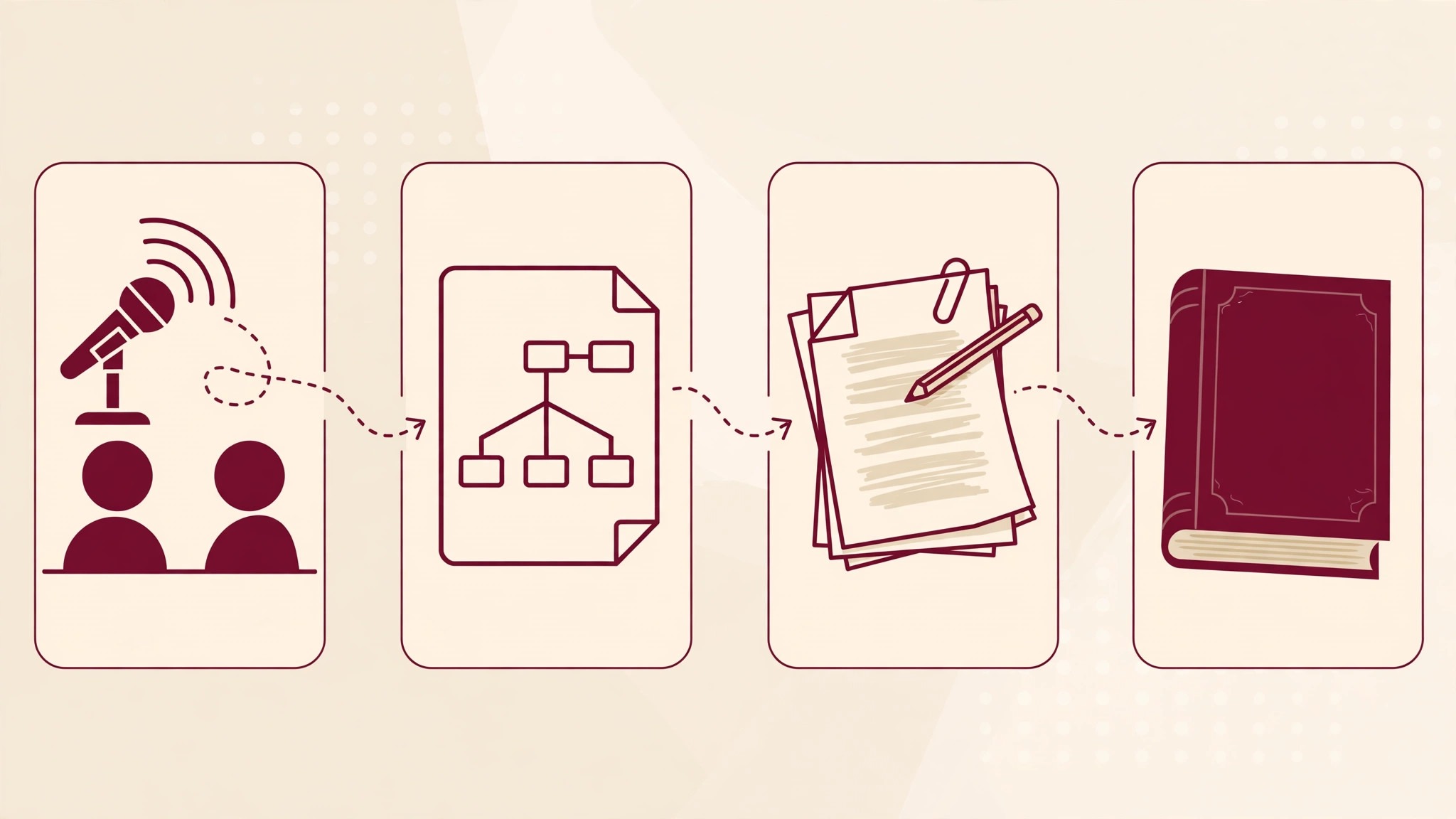
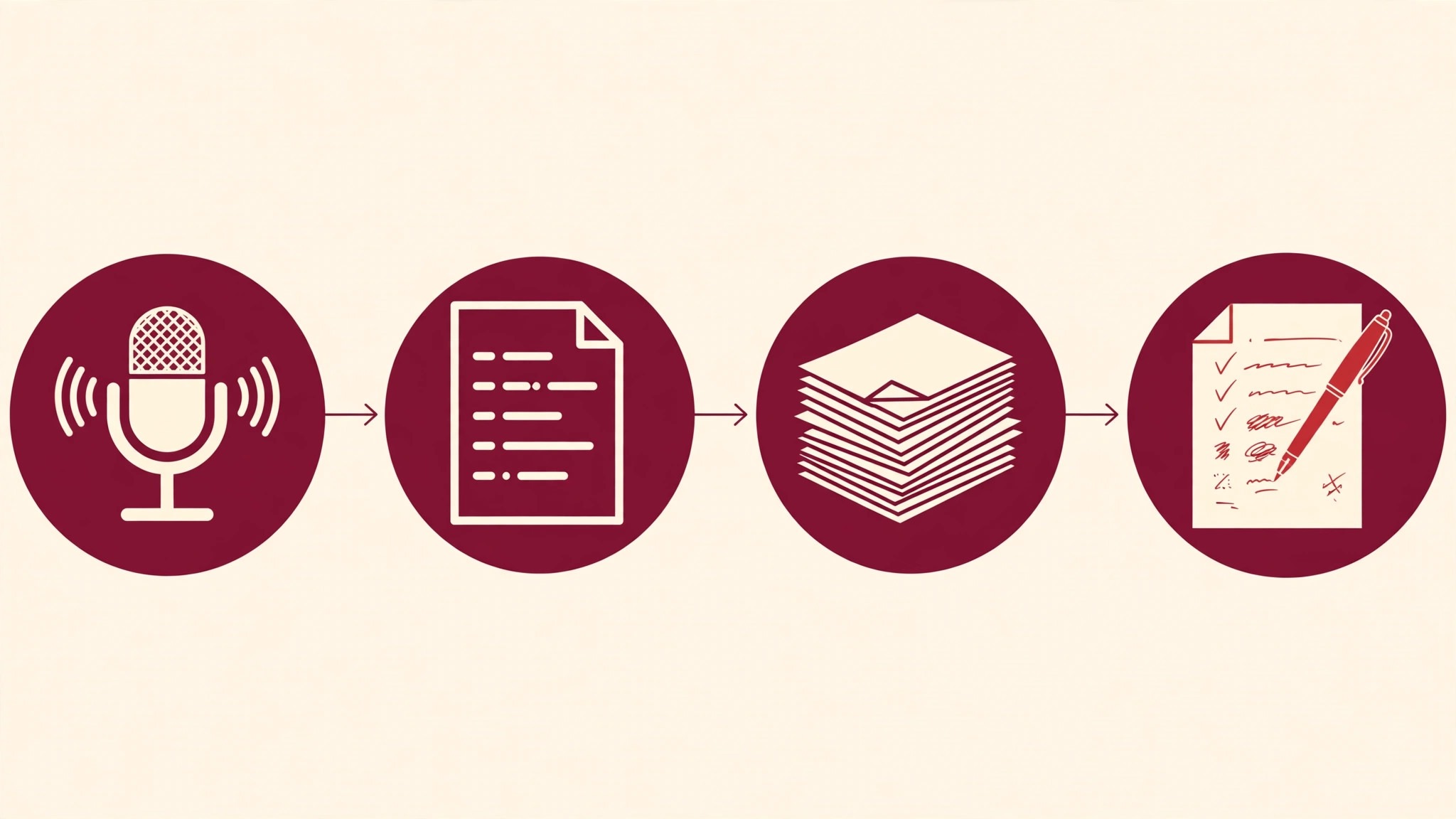
An AI draft that sounds like the AI is a failed draft, and the client will know it in the first page. The work that makes AI ghostwriting succeed happens before the drafting starts, in the voice capture. Record two or three long interviews with the client, transcribe them, and pull out the phrases, the stories and the opinions that only this client would say. Feed the tool those transcripts, not a generic brief, and the draft will start from the client’s voice instead of the model’s default.
The drafting itself works best in passes. First pass, the AI builds the outline from the transcripts and the ghostwriter fixes the structure before a single chapter is written. Second pass, the AI drafts one chapter at a time, and the ghostwriter edits each chapter before the next is drafted, so the voice stays consistent and the argument builds. Third pass, the ghostwriter reads the whole manuscript aloud, which is where the sentences that sound like a machine reveal themselves.
The final check is the client read. Give the client three chapters, not the whole book, and ask one question: does this sound like you. If the answer is yes, the pipeline works. If the answer is no, the problem is the voice capture, not the tool, so go back to the transcripts and pull more of the client’s own words into the brief. A ghostwriter who follows this process delivers a book the client recognises as theirs, and that is the only test that matters.
Pricing Your Ghostwriting When AI Does the Drafting
AI changes what a ghostwriter sells, and the price should follow the value, not the hours. A ghostwriter who charges by the hour loses money when AI makes the drafting faster, because the client pays for fewer hours for the same book. Charge by the project instead: a fixed fee for the book, with the interview, the outline, the draft and the edit as the deliverables. The client buys a finished manuscript, and the ghostwriter keeps the saving that AI created.
Price the interview separately from the draft, because the interview is the work AI cannot do. Two or three long interviews, transcribed and mined for the client’s voice, stories and opinions, are the raw material of the book, and they are worth a line of their own in the quote. A client who sees the interview priced understands why the book sounds like them, and a ghostwriter who prices it protects the part of the job that cannot be automated.
Offer two tiers and let the client choose. The first tier is the AI-assisted draft with one edit pass, for the client who wants the book at the lowest price. The second tier adds a second edit pass, a read-aloud review and a final polish, for the client who wants the book to read as if it were written by hand. Most clients choose the second tier once they see the difference, and the ghostwriter earns more for the work that matters most.
Disclose the AI use in the contract, in one line, and move on. The client should know AI was used in the drafting and that the ghostwriter shaped, checked and stands behind every word. Disclosure protects the ghostwriter if the question ever comes up, and a client who knows and approves has nothing to object to. The line costs nothing and buys the trust the whole engagement rests on.
Put the AI use in the contract, in one line, and move on. The client should know AI was used in the drafting and that the ghostwriter shaped, checked and stands behind every word. Disclosure protects the ghostwriter if the question ever comes up, and a client who knows and approves has nothing to object to. The line costs nothing and buys the trust the whole engagement rests on, which is worth more than any clause a lawyer could add later.
Edit the AI draft the way you would edit a junior writer’s draft: for structure first, for voice second, and for facts last. The structure edit fixes the argument, the voice edit makes it sound like the client, and the fact edit checks every number, date and claim against the interview transcripts. A ghostwriter who edits in that order finishes faster than one who polishes sentences before the argument is sound, and the book that results reads as if the client wrote it themselves.
Set the timeline with the client before the drafting starts, and build the edit passes into it. A book takes shape in passes: the outline, the draft, the edit and the polish, and each pass needs the client’s input before the next begins. A timeline that shows those passes, with dates, stops the client asking for the finished book in week two and stops the ghostwriter rushing the edit in week eight. Agree the dates, keep them, and the book arrives on time.
| Pricing line | What it covers | Why it is priced |
|---|---|---|
| Interview and voice capture | Two to three interviews, transcribed | AI cannot do this work |
| Outline and structure | The argument and the chapter plan | The thinking, not the typing |
| Draft and first edit | AI-assisted draft, ghostwriter edit | The manuscript itself |
| Polish tier | Second edit, read-aloud, final polish | The difference the client feels |
Before You Ask
What is the best AI tool for ghostwriters
Sudowrite is the best for fiction, with a Story Bible and a model fine-tuned on novels from 10 dollars a month. Claude Pro is the best all-round drafting tool for nonfiction at 20 dollars a month, and Chapter is the cheapest way to draft a nonfiction book at 97 dollars one-time. The best ai tools for ghostwriters depend on what you write, so start from the manuscript.
How much does an AI ghostwriter cost
Entry prices run from 10 dollars a month for Sudowrite Hobby billed annually to 12 for Grammarly Pro, 20 for Claude and ChatGPT Plus, 24 for Copy.ai, 59 for Jasper Pro, and 79 for Writesonic Starter. Chapter charges 97 dollars one-time for a nonfiction book. A human ghostwriter charges 10,000 to 60,000 dollars for a book, so the AI route costs a fraction of the human one.
Can AI ghostwrite a whole book
It can draft one, but it cannot finish one. The AI builds the outline, drafts the chapters and keeps the structure, while the ghostwriter shapes the voice, checks the facts and edits the manuscript into something the client recognises as theirs. A book that ships without that edit will read like a machine wrote it, and the client will know. The AI replaces the blank page, not the writer.
Who owns the text an AI ghostwriter produces
In most cases the client owns the output, but the terms vary by tool, so read them before you upload client material. Check whether the vendor uses your text to train its models, and choose a tool that says customer data is not used for training. Jasper and Twofold publish that commitment, and the same check applies here: never put client material into a tool that trains on it.
Is AI ghostwriting ethical
It is, when the client knows and the ghostwriter does the work. Ghostwriting has always meant writing in someone else’s name, and AI is a tool in that process, like a transcriber or an editor. The line is disclosure to the client and the edit: the ghostwriter must shape the draft, check it and stand behind it, not hand over raw AI output. A client who knows AI was used and approves the result has nothing to object to.
Do I still need Grammarly if I use a drafting tool
Yes, because Grammarly is an editing layer, not a drafting tool. It catches the mistakes that slip through a long editing day, in Gmail, Docs, Slack and every text box, and Pro costs 12 dollars a month billed annually. Pair it with Claude or Sudowrite, and the combination covers drafting and editing for less than most single tools cost.
Should I charge less because AI drafts the book
No, charge by the project, not by the hour, because the client buys a finished manuscript, not your time. The best ai tools for ghostwriters make the drafting faster, which means an hourly rate punishes the ghostwriter for being efficient. Price the interview, the outline, the draft and the edit as deliverables, offer a polish tier for clients who want it, and disclose the AI use in one line of the contract.
The Short Answer
If you buy one tool this quarter, buy Claude Pro if you ghostwrite nonfiction, and Sudowrite if you ghostwrite fiction. Claude costs 20 dollars a month and writes the best long-form prose on this list, while Sudowrite at 10 dollars a month billed annually keeps a novel’s characters and plot consistent across a whole manuscript. The best ai tools for ghostwriters earn their keep by giving you back the weeks that the blank page used to eat, and both of these do that from the first chapter.
Whatever you pick, capture the client’s voice before you draft, edit every chapter before the next is written, and let the client read three chapters before you finish the book. The tools on this list all work. The difference is whether the tool matches the manuscript you actually write, and whether you measure the return in books finished rather than in features used. The tools still in the ghostwriting work stack a year from now are the ones that passed that test.