

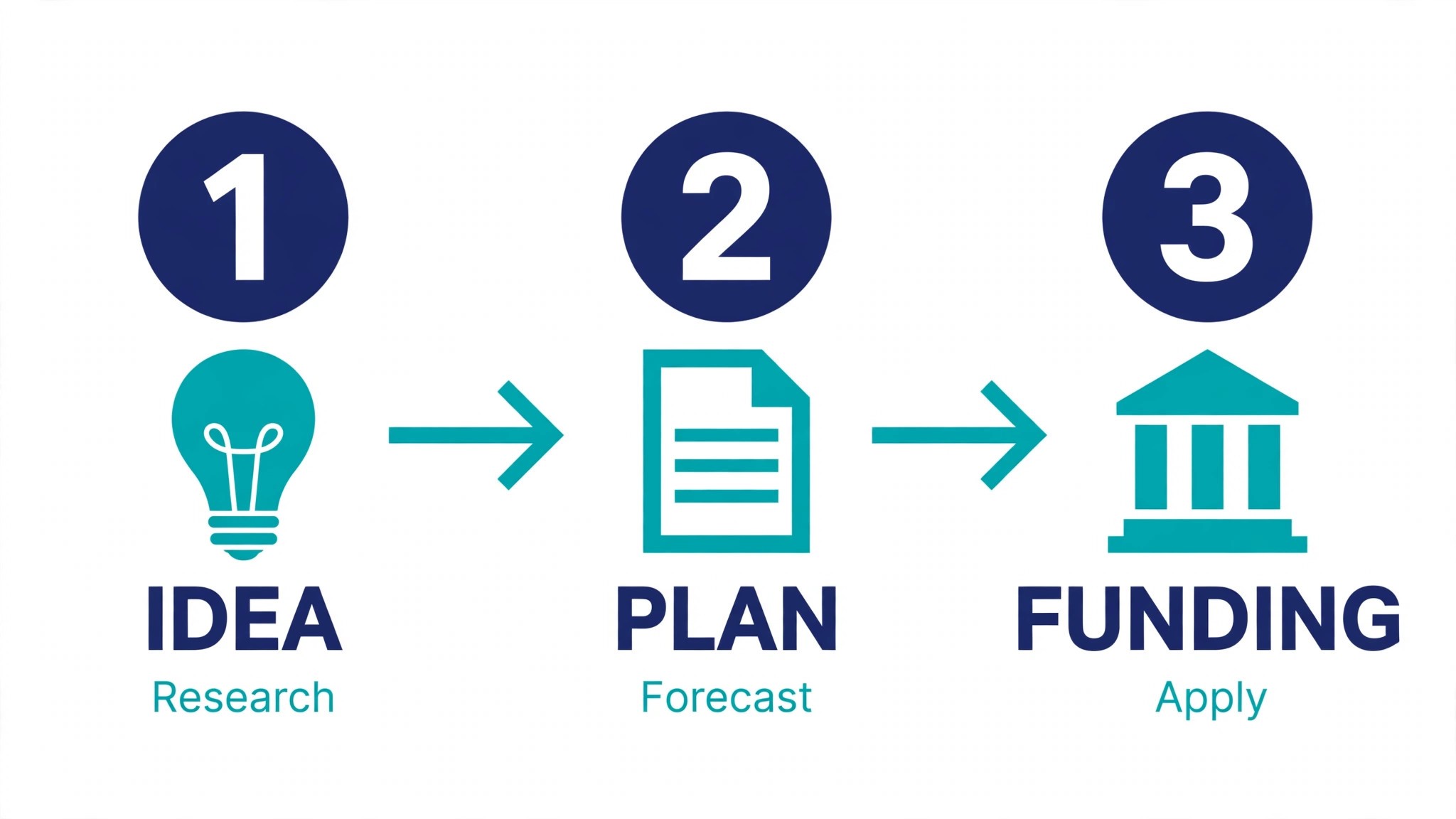
A lender reads the executive summary first and the cash flow forecast second, and most founders discover that gap only after the application comes back with questions. The top 10 ai tools for business plans close that gap by turning rough notes about a market, a product and a budget into a structured document a bank or an investor can actually follow.
The difference between a plan that gets funded and one that gets filed away is rarely the idea. It is the numbers behind it, the way the market is described and whether the founder can answer a hard question about costs without flipping through pages. A good planning tool forces those answers early, while the plan can still change cheaply.
This guide compares ten tools on published prices, the planning job each one does best and the catch that only shows up after the trial ends. All prices in this guide are the vendors’ published starting rates from late 2026, and any business plan tool without a published rate is marked pricing on request. Start with the shortlist, then read the reviews that match the plan you need to write.
The Full Shortlist in One Place
Use it to narrow the top 10 ai tools for business plans to two or three candidates before you read the full reviews. Monthly list prices apply unless noted, and annual billing usually beats monthly billing for founders who will revise the plan more than once.
| Job | Best tool | Why it wins |
|---|---|---|
| Lender-ready plans with forecasts | LivePlan | Forecasts a lender trusts |
| Solo founders on a tight budget | Upmetrics | The cheapest credible start |
| Investor-ready plans and pitch decks | Bizplan | Pitch-ready plans in one login |
| Founders who want a free start | Enloop | A free tier that actually works |
| Founder-led plans with coach review | PlanPros | A coach-reviewed plan |
| Early-stage idea validation | IdeaBuddy | Validation before the full plan |
| Founders already living in Notion | Notion AI | Planning inside your existing workspace |
| Drafting and rewriting plan sections | ChatGPT | The fastest first draft |
| Long, careful plan drafts | Claude | Careful long-form drafting |
| Turning a plan into a visual deck | Gamma | A plan that presents well |
How We Chose the Top 10 Ai Tools For Business Plans
A tool earned a place here only when it writes a real plan well in 2026, not when it added an AI label to an old template pack. The top 10 ai tools for business plans were judged on five things that decide whether a founder keeps paying after the first plan is done.
We ranked the tools first on the planning job each one does, because a single-purpose planner usually beats a general writing tool that treats a forecast as an afterthought. Next came published pricing and how it scales, since per-seat charges decide the real bill for a founding team. Output quality came third, because an error in a financial forecast costs more to fix than a month of subscription. Fourth, fit with the accounting and banking tools founders already run, because a planner that cannot reach real numbers forces double entry on every revision. Fifth, the catch, from free plans that cap exports to tools that need a sales call before the first draft.
| Check before you buy | What to ask | Why it matters |
|---|---|---|
| Published price | Is the rate on the pricing page | A hidden price is a hidden bill |
| Forecast depth | Does it build cash flow and break-even | Lenders check the forecast before the story |
| Export format | Can you download a clean PDF and Word file | A plan you cannot send is a draft forever |
| Template quality | Are the sections written for your industry | Generic sections read generic to a lender |
| Trial access | Can you test it on your real numbers | A demo is not a trial |
| Contract terms | Monthly or annual, and what year two costs | Annual billing locks the price but not the need |
Tool by Tool
1. LivePlan
Starting price From 20 dollars a month. Best for Lender-ready plans with forecasts. Watch out Pitch deck export costs extra on some tiers.
LivePlan pairs a guided plan builder with a live forecast, so the numbers update as you change assumptions and the cash flow stays honest. It covers the standard sections a bank expects, from the executive summary to the break-even point, and the dashboard shows whether the plan still adds up after each edit.
The 20 dollar plan is the sensible starting point for a founder writing a first bank-ready plan, because the forecast tools sit in the base tier rather than behind an upgrade. LivePlan also connects to common accounting tools, which pulls real figures into the forecast instead of typed guesses. Check the export options first, since the cleanest PDF lives on the higher tier.
2. Upmetrics
Starting price From 7 dollars a month. Best for Solo founders on a tight budget. Watch out AI writing needs a firm edit before sending.
Upmetrics builds a full plan from a short questionnaire, then lets you edit every section in plain language, with an AI assistant that rewrites awkward passages on request. It includes more than 400 sample plans, so a founder in a niche industry can start from a plan that already looks like theirs.
At 7 dollars a month it undercuts every serious rival, and the starter plan still includes the financial forecast and the pitch deck. The trade-off is depth: complex multi-year forecasts need more manual work than in LivePlan. For a solo founder writing one plan, that trade is usually worth it.
3. Bizplan
Starting price From 29 dollars a month. Best for Investor-ready plans and pitch decks. Watch out No free tier, monthly billing is steep.
Bizplan walks a founder through the plan section by section, with prompts that explain what an investor wants in each part, and it turns the finished plan into a pitch deck without retyping. The guided flow suits first-time founders who want to know what good looks like at each step.
The 29 dollar monthly price drops sharply on annual billing, which is the plan most founders should buy if they commit. Bizplan also includes a fundraising tracker, so the plan and the investor pipeline live in one place. Check the annual price before you judge the monthly one.
4. Enloop
Starting price Free tier, then from 19 dollars a month. Best for Founders who want a free start. Watch out Forecast reports are basic on the free tier.
Enloop scores your plan automatically as you write, flagging weak sections and missing numbers before a lender ever sees them. The score is a useful second pair of eyes, because it catches the gaps founders miss, like a missing market size or an unpriced cost.
The free tier covers a single plan with the core sections, which is enough to test the scoring on a real draft. Paid plans add more plans, deeper forecasts and PDF export. For a founder who wants to know whether the plan is ready, the score alone is worth the trial.
5. PlanPros
Starting price Pricing on request. Best for Founder-led plans with coach review. Watch out There is no published price and no self-serve trial.
PlanPros pairs its AI builder with a human review, so the draft comes back with notes from a real planner rather than only a score. That review catches the judgement calls an automated tool cannot, such as whether the market story matches the numbers.
The trade-off is the buying process. With no published price and no self-serve trial, a founder needs a sales conversation before the first draft. For a founder raising a serious round, that review pays off. For a quick internal plan, it is the wrong starting point.
6. IdeaBuddy
Starting price From 29 dollars a month. Best for Early-stage idea validation. Watch out Full financials need the higher tier.
IdeaBuddy starts before the plan, with tools that test whether the idea holds up: market sizing, competitor mapping and a one-page business model. Once the idea passes, it turns the model into a full plan with forecasts attached.
The 29 dollar plan is the sensible entry for a founder still deciding whether to build at all, because the validation tools sit in the base tier. IdeaBuddy suits pre-launch founders better than founders who already have revenue and need a lender document. Pick it for the idea stage, not the loan stage.
7. Notion AI
Starting price From 10 dollars a month. Best for Founders already living in Notion. Watch out Forecasts need manual tables, no lender templates.
Notion AI turns a workspace into a planning tool, drafting sections, summarising research and keeping the plan beside the notes, tasks and customer calls it came from. A founder who already runs the business in Notion gets a plan without learning a new system.
At 10 dollars a month per user it is cheap, but it is a writing tool, not a planner: forecasts are manual tables and there is no lender template. Use it for an internal roadmap or a living strategy doc, and move to LivePlan when a bank asks for a formal plan.
8. ChatGPT
Starting price Free tier, then from 20 dollars a month. Best for Drafting and rewriting plan sections. Watch out No built-in forecasts or templates.
ChatGPT drafts any plan section from a short prompt, rewrites clumsy passages, and answers follow-up questions about the market or the numbers while you work. It is the fastest way to beat the blank page, and the draft it produces is usually a solid starting point for a founder who knows the business well.
The 20 dollar Plus plan adds the stronger model and file uploads, so you can feed it your own figures and ask it to check them. ChatGPT cannot build a lender-grade forecast on its own, so pair it with a planner for the numbers and use it for the words.
9. Claude
Starting price Free tier, then from 20 dollars a month. Best for Long, careful plan drafts. Watch out No templates and no forecast tools.
Claude handles long documents well, keeping the tone and the numbers consistent across a 30-page plan where shorter tools start to drift. It is strong at editing, summarising research and turning rough notes into clean, readable sections.
The 20 dollar Pro plan is the one to buy for a full plan, because the free tier caps usage on long documents. Like ChatGPT, Claude writes words, not forecasts, so the financials still need a planner or a spreadsheet. Use it as the editor, not the accountant.
10. Gamma
Starting price Free tier, then from 10 dollars a month. Best for Turning a plan into a visual deck. Watch out Not a full planning tool on its own.
Gamma turns a written plan into a clean, visual presentation in minutes, with slides that carry the key numbers and the story in the order an investor wants to hear it. A founder who has the plan written but dreads the deck will find it the fastest route to a meeting-ready file.
At 10 dollars a month it is cheap, and the free tier covers a first deck. Gamma is a presentation tool, not a planner, so the plan itself must come from elsewhere. Pair it with LivePlan or Upmetrics when the audience is an investor rather than a bank.
The Comparison Table, Explained
The table below puts the top 10 ai tools for business plans side by side on price, best job and free plan, so you can compare the published prices against the quote-only tools at a glance.
The fastest way through the table is by plan type, since founders pay more for a bargain tool that fails a lender check than for a pricier one that passes first time. A forecast that breaks under a question eats another week of rework. Check what each tool does best for a business plan, then look at the price, and the choice normally settles in under a minute.
| Tool | Starting price | Best for | Free plan |
|---|---|---|---|
| LivePlan | From 20 dollars a month | Lender-ready plans with forecasts | Trial |
| Upmetrics | From 7 dollars a month | Solo founders on a tight budget | Trial |
| Bizplan | From 29 dollars a month | Investor-ready plans and pitch decks | Trial |
| Enloop | Free tier, then from 19 dollars a month | Founders who want a free start | Yes |
| PlanPros | Pricing on request | Founder-led plans with coach review | No |
| IdeaBuddy | From 29 dollars a month | Early-stage idea validation | Trial |
| Notion AI | From 10 dollars a month | Founders already living in Notion | Trial |
| ChatGPT | Free tier, then from 20 dollars a month | Drafting and rewriting plan sections | Yes |
| Claude | Free tier, then from 20 dollars a month | Long, careful plan drafts | Yes |
| Gamma | Free tier, then from 10 dollars a month | Turning a plan into a visual deck | Yes |
Reading the Price Tags
Most founders overpay in year one by buying the top tier for a business plan feature they use once. The planning tools on this list charge 7 to 99 dollars a month at the entry tier, and the gap between tiers is usually the forecast depth, the number of plans you can keep, and the export formats. Buy the tier that covers your current plan, and upgrade only when a lender asks for something the tier cannot produce.
Free plans are worth a careful look because three tools on this list let you start without a card. A free tier that caps exports to one plan, or watermarks the PDF, is a trial in disguise. Count how many plans you will actually write in a year, check whether the free tier covers them, and treat a free plan that fits as a genuine saving rather than a stepping stone.
The Numbers Behind the Choice
A bank loan officer typically spends under ten minutes on a first read of a plan, and the executive summary plus the first page of the forecast decide whether the rest gets read at all. That is why the strongest planners on this list put the summary and the cash flow on the first two pages, and why a plan that buries the numbers on page twenty rarely survives the first meeting. Founders who test their draft on a friendly banker before the real application usually rewrite the summary twice, and the second version is almost always shorter.
The average small business loan in the United States runs into six figures, and lenders report that incomplete financials are the most common reason an application stalls. A forecast that shows three years of revenue, costs and cash flow, with the assumptions written beside the numbers, answers the questions a lender will ask before they are asked. Tools that build the forecast from the same inputs as the written plan keep those two parts consistent, which is exactly what a reviewer checks first.
Investors read plans differently from lenders. An angel investor looks for the market size, the team and the path to revenue, and will forgive a rough forecast if the story is strong. A bank looks for repayment capacity, collateral and a realistic break-even date, and will forgive a plain story if the numbers hold up. That split explains why one tool rarely serves both audiences perfectly, and why founders should pick the planner that matches the reader they need to convince first.
The time a founder spends on a plan has fallen sharply as these tools have improved. A plan that once took six weekends can now reach a first draft in a single afternoon, and the remaining time goes into checking the numbers rather than formatting the document. That shift matters because the checking is the part that decides the outcome, and a tool that frees an afternoon for checking is worth more than one that simply writes faster.
Pricing in this category clusters tightly. Most serious planners charge between 7 and 29 dollars a month, with the higher tiers adding pitch decks, multiple plans and team seats. A founder who writes one plan a year should buy the monthly plan and cancel after the application, while a founder who revises quarterly should take the annual discount, which usually cuts the price by about a fifth. The cheapest plan is rarely the right one when the forecast tools sit a tier higher.
The most common regret among founders who have been through the process is not the tool they chose but the section they skipped. Market research, competitor pricing and a honest break-even analysis are the three sections lenders mention most often as missing or thin. A planner that prompts for each of those, and refuses to call the plan finished until they are filled in, saves a founder from the most expensive mistake in the process, which is submitting a plan that is not ready.
How to Choose Without Overbuying
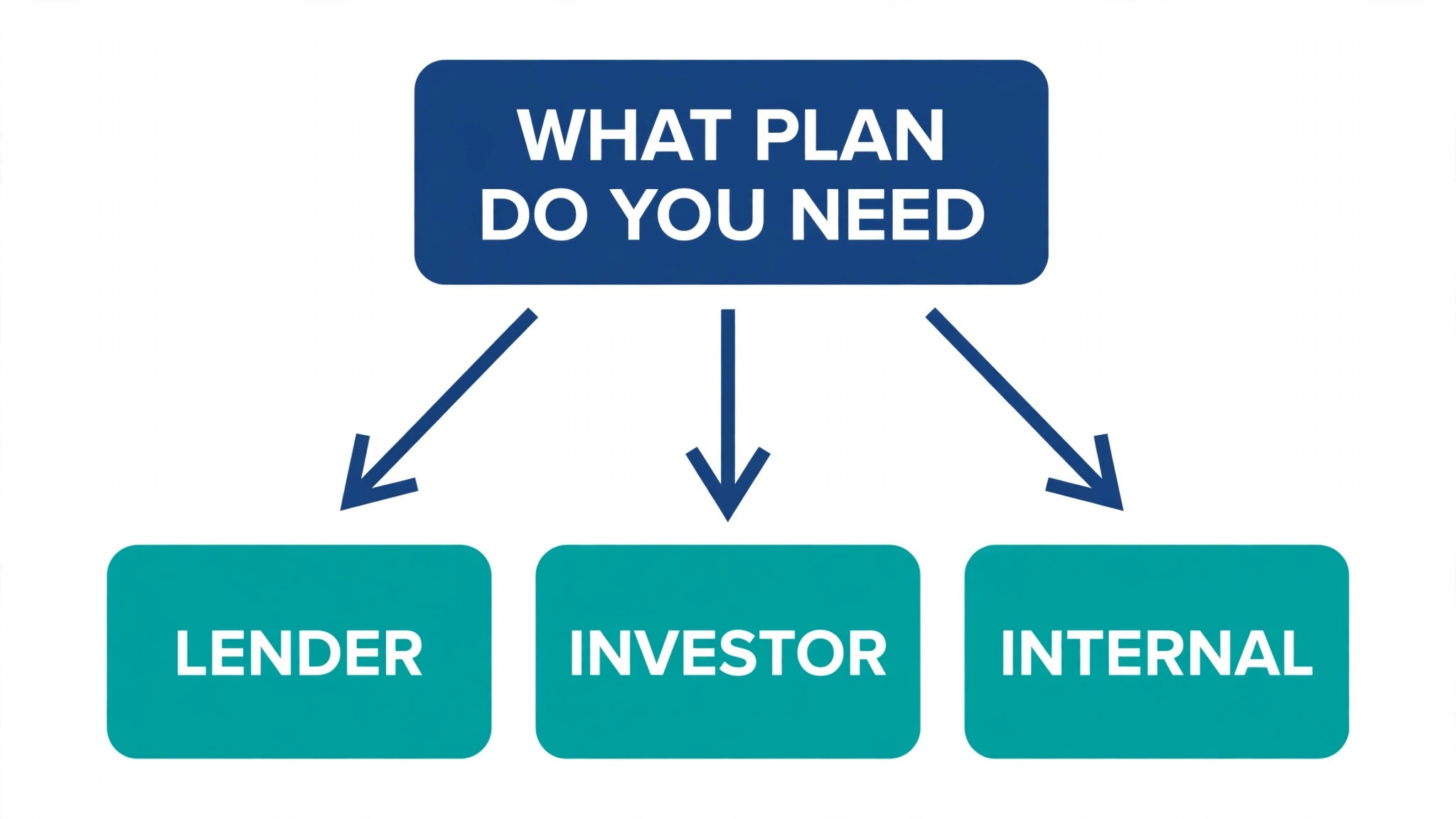
Start from the plan you actually need, not from the vendor homepage. A founder writing for a bank loan needs a different document from one writing for an angel investor, and a founder writing an internal roadmap needs something else again. The tool that fixes the slowest part of your planning week pays for itself first, and the rest can wait.
Price the whole planning stack, not the headline number. The table below prices year one for a solo founder and for a small team on the common business plan combinations, at published starting prices. Ask for per-seat charges in writing before signing, since those lines surprise founders, and annual billing usually cuts about twenty percent off the monthly rate.
| Stack | Monthly cost | What it covers |
|---|---|---|
| LivePlan alone | Lowest starting price | One tool for the main job |
| LivePlan plus Upmetrics | Mid-range | Core planner plus a second specialist |
| Upmetrics plus Enloop | Mid-range | Specialist pair for a busy planning week |
| Bizplan plus LivePlan | Higher | Core tool plus a pitch-ready presentation |
Best Pick by Job
Pick from the table below by the planning job you do most. The top 10 ai tools for business plans are not ranked by features alone; they are ranked by which job each one actually finishes, so the pick that matches your plan is the pick that will still be in your stack a year from now.
| Your job | Best pick | Why it wins |
|---|---|---|
| Lender-ready plans with forecasts | LivePlan | Forecasts a lender trusts |
| Solo founders on a tight budget | Upmetrics | The cheapest credible start |
| Investor-ready plans and pitch decks | Bizplan | Pitch-ready plans in one login |
| Founders who want a free start | Enloop | A free tier that actually works |
| Founder-led plans with coach review | PlanPros | A coach-reviewed plan |
| Early-stage idea validation | IdeaBuddy | Validation before the full plan |
| Founders already living in Notion | Notion AI | Planning inside your existing workspace |
| Drafting and rewriting plan sections | ChatGPT | The fastest first draft |
| Long, careful plan drafts | Claude | Careful long-form drafting |
| Turning a plan into a visual deck | Gamma | A plan that presents well |
Testing Before You Pay
A trial tells founders more in five working days than a month of reading reviews, but only when the trial runs on real business plan numbers. Pick the two tools that look closest after the shortlist, run them side by side on the same plan, and score them on time saved, edits needed and how the output reads to a lender. Never trial on a demo file, because a demo hides the rough edges that real business plan figures expose.
Keep a simple log through the trial week, noting the daily planning task, the minutes it took, the edits made and whether the output could go to a lender unchecked. At the end of the week, that business plan record decides. The tool with the best log wins, even when it was not the expected favourite, because the log measures your own business plan numbers, not the vendor demo.
| Day | What to test | What good looks like |
|---|---|---|
| Day 1 | Setup and first real job | Working in under an hour, no IT ticket |
| Day 2 | The hardest job you do | Output needs light edits, not a rewrite |
| Day 3 | Integration with your core system | Data flows without double entry |
| Day 4 | A colleague tries it cold | They finish a job without asking for help |
| Day 5 | Count the time and the cost | Hours saved beat the monthly price |
Buying Mistakes to Skip
Mistake one is the cheapest plan, when the forecast feature you need sits two tiers up. Read every tier on the pricing page and pay for the tier that does the daily planning job, not the tier that looks cheap. Mistake two is rolling out to the whole team before one person has tried the business plan tool for a week, since a favourite of one and a burden to five is a cost, not a system.
The third mistake is skipping the lender check. Ask what a bank actually wants to see, read the export before you send it and check the numbers against your bank statements before the first real plan goes out, because fixing a forecast after a lender has seen it costs far more than checking it first. The fourth mistake is judging the tool on its best day, so trial it on the hardest section itself and let the hard section decide.
Your Questions, Answered
Which tool gives founders the cheapest good start
LivePlan is the cheapest credible start on this list at 20 dollars a month, with Upmetrics close behind at 7 dollars a month. The top 10 ai tools for business plans include free tiers and free plans, so start with the plan type you need most, trial the free tier on real numbers, and add a specialist only when the general tool cannot do a section you are judged on. That is the cheapest route to a planning stack, with no payment for features never used.
Can a bank tell the plan was written with AI
It can when you send the template unchanged. AI tools draft a usable first version, but the facts, the numbers and the judgement still come from the founder doing the planning. An output that goes out unedited reads generic, and lenders notice generic plans fast. Use the AI to beat the blank page on a business plan, then change the details, the wording and the checks, so the result sounds like you and not the tool.
For a solo founder, which planning tool wins
Upmetrics is the pick for a solo founder, starting at 7 dollars a month with almost no setup, while LivePlan at 20 dollars a month is the strongest all-round option as the plan grows. The top 10 ai tools for business plans were ranked by the job each one finishes, not by the size of the feature list, so a solo founder should buy the tool that fixes the slowest planning job first and add a second tool only when a specific limit starts costing time.
How much will a small team spend on planning tools in year one
Plan on 20 to 50 dollars a month in year one for a general planning tool such as LivePlan, rising to 100 to 200 dollars a month with a specialist such as Bizplan added. When a business plan tool charges per seat, multiply the headline price by headcount, because those charges catch buyers out. Price the whole stack and trial each tool on real business plan numbers before signing an annual contract.
Do founders need a specialist tool as well as a general one
Not always. Most founders get by with one general tool for months, and a separate specialist only earns its place when a specific planning task runs every week and the general tool cannot do it well. Time a week of plan drafting before you spend anything. When a business plan takes hours and the specialist cuts it to minutes, buy it, and when the job already takes minutes, the specialist is a cost.
Do these planning tools offer a trial before payment
Most tools on this list offer a free plan or a free trial, and Enloop and LivePlan both let founders test on real numbers before paying. Use the trial on the plan section you need most, not on a demo, and count the time saved and the edits each output needs. A trial that covers a real week tells founders more than a sales call, and a tool that will not trial is one to be careful about.
The Verdict, in Brief
If you buy one tool this quarter, pick Upmetrics for solo work on a tight budget, and LivePlan when you need lender-ready forecasts and a polished export. Upmetrics is the easiest place to start at 7 dollars a month, and LivePlan is the strongest all-round planner at 20 dollars a month. The top 10 ai tools for business plans earn their keep by giving you back the week between the idea and the application, and both of these do that from the first plan.
Whatever you pick, trial it on a real plan with real numbers, count the sections it produces and the edits each one needs, and keep a human eye on every forecast before it goes to a lender. Every planner here can shape a fundable business plan. The difference is whether the planner matches the plan you actually need, and whether you measure the return in applications sent and questions answered rather than in features used.