
A rep who freezes on the first objection loses the call in ten seconds, and most teams discover that weakness only when the recording is reviewed days later. The top 10 ai tools for call scripts fix that gap by drafting talk tracks a rep can actually say out loud, with branches for the objections that come up most.
The difference between a script that helps and one that hurts is whether the rep sounds like a person. A good script gives the opening, the questions and the close, then gets out of the way. A bad one turns a confident rep into a reader. The tools in this guide are judged on whether their scripts survive a live call, not on how they read on a screen.
This guide compares ten tools on published prices, the call job each one does best and the catch that only shows up after the trial ends. All prices in this call scripting guide are the published starting prices as of late 2026, with pricing on request noted wherever the vendor publishes no rate. Start with the shortlist, then read the reviews that match the calls you make most.
The Full Shortlist in One Place
Use it to narrow the top 10 ai tools for call scripts to two or three candidates before you read the full reviews. Monthly list prices apply unless noted, and annual billing usually beats monthly billing for sales teams who will revise scripts every quarter.
| Job | Best tool | Why it wins |
|---|---|---|
| Live guidance during calls | Balto | Real-time prompts on live calls |
| Script coaching from call recordings | Observe.AI | Coaching drawn from real calls |
| Winning-call patterns for scripts | Gong | Scripts built on won deals |
| Scripts plus meeting notes | Avoma | One tool for scripts and notes |
| AI coaching for support calls | Cresta | Coaching for support teams |
| Small teams that need calls and scripts | Dialpad | Calls and scripts in one place |
| Contact centres with scripted flows | Talkdesk | Scripted flows at scale |
| Teams that live in their CRM | Aircall | Calling inside the CRM |
| SMS, calls and scripts together | JustCall | Multi-channel scripts in one login |
| High-volume outbound dialling | Convoso | Scripts for outbound volume |
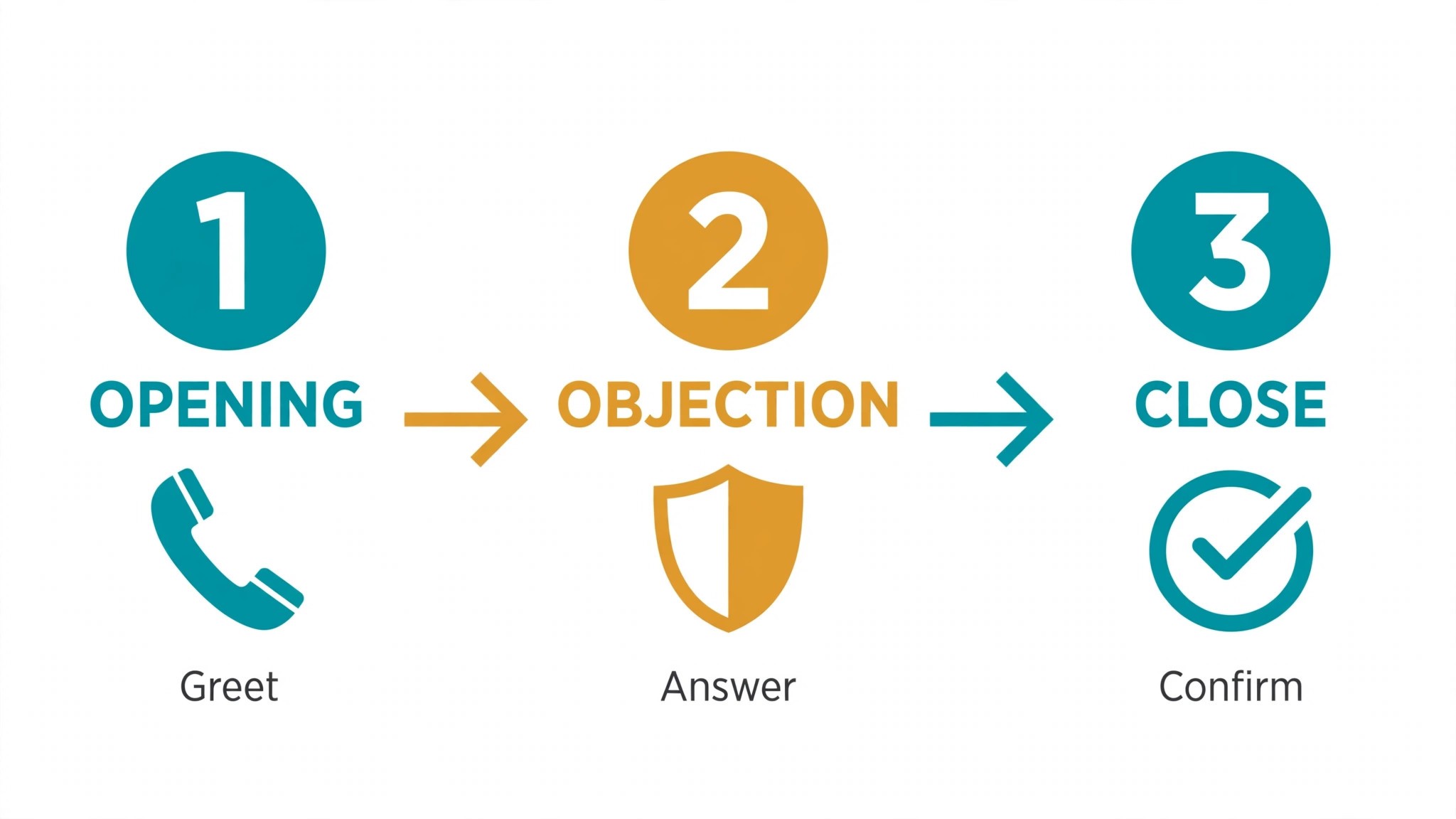
How We Chose the Top 10 Ai Tools For Call Scripts
A tool earned a place here only when it writes a script a rep can use live in 2026, not when it added an AI label to an old template pack. The top 10 ai tools for call scripts were judged on five things that decide whether a team keeps paying after the first month.
We ranked the tools first on the call job each one does, because a single-purpose script writer usually beats a general platform that treats scripting as a side feature. Next came published pricing and how it scales, since per-seat charges decide the real bill for a sales team. Output quality came third, because a script that sounds wrong on a live call costs more to fix than a month of subscription. Fourth, fit with the dialler and CRM the team already runs, because a tool that cannot reach real call data forces double entry on every script. Fifth, the catch, from free plans that cap scripts to enterprise tools that need a sales call before the first trial.
| Check before you buy | What to ask | Why it matters |
|---|---|---|
| Published price | Is the rate on the pricing page | A hidden price is a hidden bill |
| Script quality | Does it read like spoken English | A script nobody can say is a cost |
| Objection branches | Does it cover the real pushback | One objection unanswered loses the deal |
| CRM link | Does it connect to your dialler and CRM | Double entry eats the time it saves |
| Trial access | Can you test it on your real calls | A demo is not a trial |
| Contract terms | Monthly or annual, and what year two costs | Annual billing locks the price but not the need |
Tool by Tool
1. Balto
Starting price Balto is priced on request. Best for Live guidance during calls. Watch out No published price, and no self-serve trial for call scripting.
Balto listens to the live call and pushes the right line to the rep in the moment, with prompts for objections, compliance wording and the next question. It is the only tool here built for the call itself rather than the preparation, and that shows in how reps use it.
In call scripting, the buying process itself is the trade-off. With no published price and no self-serve trial, a team needs a sales conversation and an IT plan before the first call. For a large sales floor that loses deals at the objection, that effort pays off. For a solo rep, it is the wrong starting point.
2. Observe.AI
Starting price Observe.AI quotes its price on request. Best for Script coaching from call recordings. Watch out Enterprise only, with no self-serve trial.
Observe.AI analyses call recordings and shows which script lines work, which objections stall reps and where the talk track drifts from the plan. The script team gets evidence instead of opinions, and the next draft is built on what actually happened.
Observe.AI is sold to contact centres, not to individual reps, so the price comes from a contract and the rollout takes weeks. A team that already records every call will get the most from it. A team without recordings should fix that first, then add the analysis.
3. Gong
Starting price No published price for Gong; quotes on request. Best for Winning-call patterns for scripts. Watch out There is no published price and no trial you can start on your own.
Gong records and analyses sales calls, then shows the exact phrasing, questions and talk ratios that appear in won deals. A script writer can lift the lines that already work for the team instead of inventing new ones, which is the fastest route to a script reps trust.
In call scripting, the trade-off is the buying process, with no published price and no self-serve trial. Gong suits a sales team with a healthy pipeline and a manager who will coach from the data. For a small team, the insight is real but the contract is heavy.
4. Avoma
Starting price Paid plans begin at 24 dollars a user a month. Best for Scripts plus meeting notes. Watch out Live guidance needs the higher tier.
Avoma records calls, drafts the follow-up notes and helps the team build playbooks from the best calls. The script lives beside the recording it came from, so a rep can hear how a line sounded before using it again.
The 24 dollar starter plan covers the notes and the basic playbooks, while the live guidance sits higher up. For a team that wants scripts and notes in one login, that is a fair trade. In call scripting, check which tier carries the feature you actually need before you sign.
5. Cresta
Starting price Cresta does not publish a price. Best for AI coaching for support calls. Watch out Enterprise only, no list price.
Cresta guides support agents in real time, suggesting the next best action, the right knowledge article and the compliant wording for each situation. The script becomes a live assistant rather than a document the agent reads before the call.
Cresta is sold to large support operations, so the price comes from a contract and the setup takes weeks. A support team with high volume and strict compliance will get the most from it. A small team should look at Dialpad or JustCall first.
6. Dialpad
Starting price Paid plans begin at 15 dollars a user a month. Best for Small teams that need calls and scripts. Watch out Script templates are basic on the entry tier.
Dialpad is a phone system with AI built in, transcribing calls, drafting summaries and offering script templates the team can reuse. A small team gets the calling, the notes and the script starter pack in one subscription, with almost no setup.
The 15 dollar plan is the cheapest credible start on this list, and it covers the core calling and transcription. Deeper script libraries and coaching sit on the higher tiers. For a team that needs a phone system anyway, Dialpad is the obvious first buy.
7. Talkdesk
Starting price Talkdesk is priced on request. Best for Contact centres with scripted flows. Watch out No published price, and a heavy rollout for call scripting.
Talkdesk runs contact-centre calling with guided flows, so agents follow a branching script that adapts to the customer answer. It covers routing, recording and reporting in one system, which suits a centre that needs every agent on the same track.
The price is quoted per centre and the rollout is a real project, with data import and staff training. A small team doing call scripting should weigh that effort against the mess it replaces. For a large centre, the single system pays for itself in consistent calls.
8. Aircall
Starting price From 30 dollars a user a month. Best for Teams that live in their CRM. Watch out Script features need add-ons.
Aircall puts the phone inside the CRM, so the rep sees the customer record, the script and the call history on one screen. It integrates with the tools sales teams already use, and the call data flows back to the CRM without double entry.
At 30 dollars a user a month it is a mid-range phone system, and the script templates are simpler than a dedicated writer. Use Aircall when the CRM link matters most, and add a script specialist when the wording itself is the bottleneck.
9. JustCall
Starting price The entry paid tier costs 29 dollars a month. Best for SMS, calls and scripts together. Watch out AI features sit on the higher tiers.
JustCall combines calling, SMS and WhatsApp with AI transcription and script templates, so a team that reaches customers on several channels keeps one script library. The AI scores calls and flags the ones that drift from the script, which helps a manager coach without listening to every recording.
The 29 dollar plan covers the core channels, while the deeper AI scoring sits higher up. For a team that sells over text as well as voice, JustCall is a strong fit. Check the tier that carries the scoring before you judge the price.
10. Convoso
Starting price Convoso quotes its price on request. Best for High-volume outbound dialling. Watch out No published price, and a heavy setup for call scripting.
Convoso is a dialler built for high-volume outbound, with dynamic scripting that changes the talk track based on the lead data and the answers given. A team making hundreds of calls a day gets a script that adapts in real time, plus the compliance controls outbound work needs.
In call scripting, the price is quoted and the setup is a project, so a small team will find it heavy. For an outbound floor where volume is the job, Convoso is the right scale. For a team making twenty calls a day, a simpler tool wins.
The Comparison Table, Explained
The table below puts the top 10 ai tools for call scripts side by side on price, best job and free plan, so you can compare the published prices against the quote-only tools at a glance.
The fastest way through the table is by call type, since teams pay more for a bargain tool that fails on a live call than for a pricier one that holds up first time. A script that breaks under a real objection eats another week of rework. Match each tool to its best job in call scripting first, then check the price, and the choice usually settles in under a minute.
| Tool | Starting price | Best for | Free plan |
|---|---|---|---|
| Balto | Pricing on request | Live guidance during calls | No |
| Observe.AI | Pricing on request | Script coaching from call recordings | No |
| Gong | Pricing on request | Winning-call patterns for scripts | No |
| Avoma | From 24 dollars a user a month | Scripts plus meeting notes | Trial |
| Cresta | Pricing on request | AI coaching for support calls | No |
| Dialpad | From 15 dollars a user a month | Small teams that need calls and scripts | Trial |
| Talkdesk | Pricing on request | Contact centres with scripted flows | No |
| Aircall | From 30 dollars a user a month | Teams that live in their CRM | Trial |
| JustCall | From 29 dollars a month | SMS, calls and scripts together | Trial |
| Convoso | Pricing on request | High-volume outbound dialling | No |
Reading the Price Tags
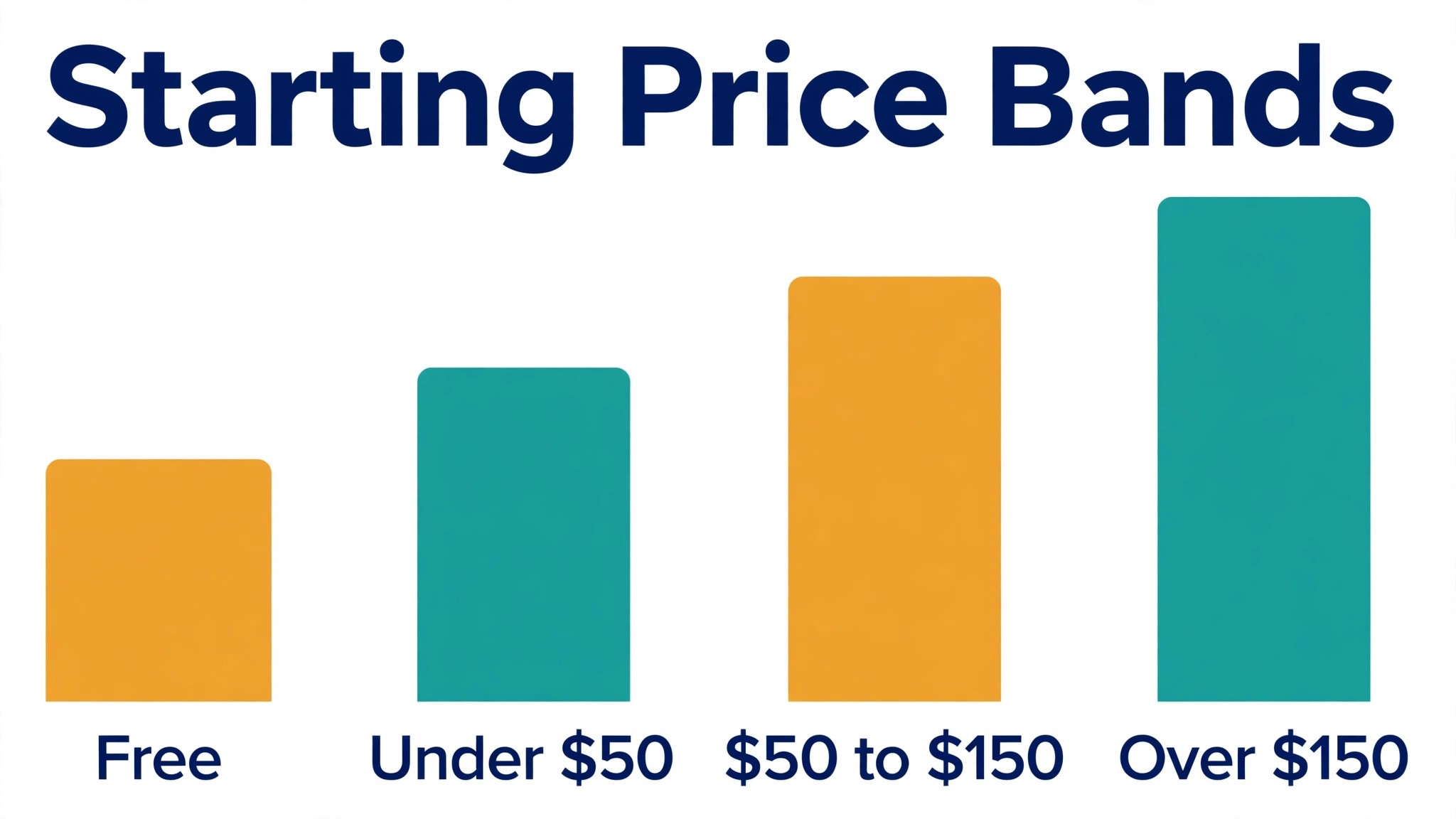
In call scripting, most teams overpay in year one by buying the top tier for a feature they use once. The script tools on this list charge 15 to 99 dollars a user a month at the entry tier, and the gap between tiers is usually the live guidance, the number of scripts you can keep, and the CRM depth. Buy the tier that covers your current calls, and upgrade only when a rep asks for something the tier cannot produce.
In call scripting, free trials are worth a careful look, because most tools on this list let you start without a long contract. A trial that caps scripts to a handful, or blocks the CRM link, is a demo in disguise. Count how many scripts you will actually write in a quarter, check whether the trial covers them, and treat a trial that fits as a genuine test rather than a sales pitch.
The Numbers Behind the Choice
The first seven seconds of a sales call decide whether the prospect stays on the line, and the opening line in the script is the single most valuable sentence a team owns. Top sales teams test their openings the way marketers test headlines, tracking which version keeps the prospect talking past the first minute. A script tool that stores several openings and records which one each rep uses turns that testing from guesswork into a habit.
Objection handling is where most scripts fail. Research on sales conversations shows that the price objection appears in roughly half of all calls, and the reps who handle it well are the ones who have a practiced answer rather than a improvised one. A script that carries three versions of the price answer, one for a budget objection, one for a comparison objection and one for a timing objection, gives the rep a real choice in the moment instead of a single line to repeat.
Talk time matters more than most managers realise. In a good discovery call the prospect speaks for most of the time, and the rep asks questions that keep them talking. Scripts that are built as question trees, with the next question depending on the answer just given, produce longer and more useful conversations than scripts built as monologues. The tools on this list that score highest are the ones that treat the script as a conversation map rather than a speech.
Compliance is the quiet reason call scripts exist in regulated industries. A rep who promises a result the product cannot deliver creates a complaint, a refund and sometimes a regulator. Script tools that lock the compliance wording, so the rep cannot improvise around it, protect the company while still leaving room for the rep to sound human. That balance is hard to strike, and it is the reason regulated teams pay more for a specialist tool.
The cost of a bad script is measured in lost deals, and it is larger than the subscription. A team of five reps making twenty calls a day will lose a deal a week to a weak objection answer if the script is thin, and each lost deal is worth far more than a month of software. Viewed that way, the price gap between a 15 dollar tool and a specialist platform disappears quickly once the first saved deal lands.
Onboarding is where script tools earn their keep for new hires. A new rep with a good script can make a credible call on day one, while a new rep without one needs weeks of shadowing before they are useful. Managers who track ramp time report that a strong script library cuts the time to first sale by a third, which is the fastest return on investment in this category.
How to Choose Without Overbuying
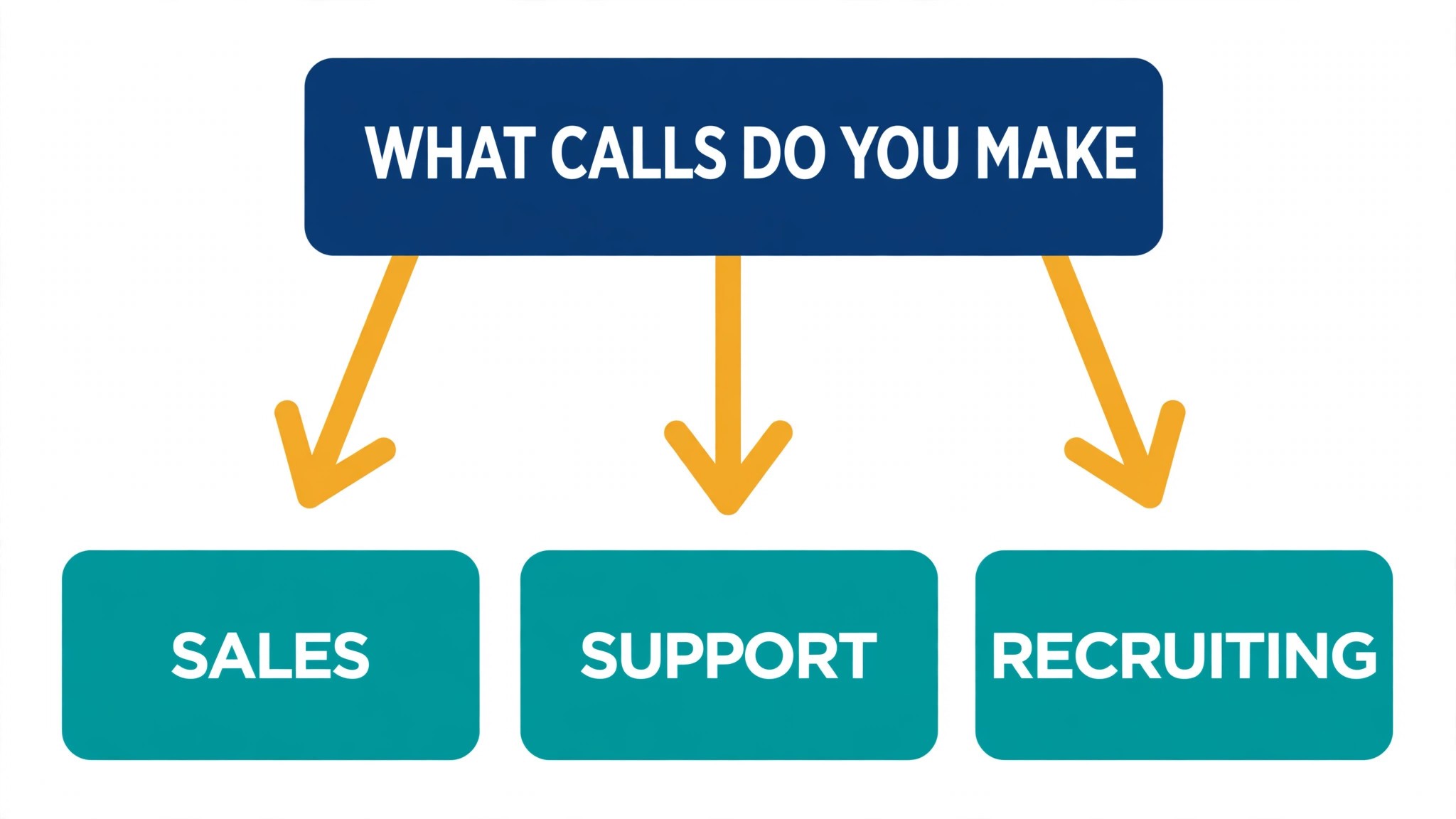
Start from the calls that lose you the most money, not from the vendor homepage. A team that loses deals at the opening needs a different script from one that loses them at the price objection, and a support team needs something else again. The tool that fixes the slowest part of your calling week pays for itself first, and the rest can wait.
Price the whole calling stack, not the headline number. The table below prices year one for a solo rep and for a small team on the common combinations, at published starting prices. For call scripting, ask for per-seat charges in writing before signing, since those lines surprise teams, and annual billing usually cuts about twenty percent off the monthly rate.
| Stack | Monthly cost | What it covers |
|---|---|---|
| Dialpad alone | Lowest starting price | One tool for the main job |
| Dialpad plus Balto | Mid-range | Core tool plus a live coaching specialist |
| Balto plus Gong | Higher | Specialist pair for a busy sales week |
| Avoma plus Dialpad | Mid-range | Core tool plus a notes specialist |
Best Pick by Job
Pick from the table below by the call job you do most. The top 10 ai tools for call scripts are not ranked by features alone; they are ranked by which job each one actually finishes, so the pick that matches your week is the pick that will still be in your stack a year from now.
| Your job | Best pick | Why it wins |
|---|---|---|
| Live guidance during calls | Balto | Real-time prompts on live calls |
| Script coaching from call recordings | Observe.AI | Coaching drawn from real calls |
| Winning-call patterns for scripts | Gong | Scripts built on won deals |
| Scripts plus meeting notes | Avoma | One tool for scripts and notes |
| AI coaching for support calls | Cresta | Coaching for support teams |
| Small teams that need calls and scripts | Dialpad | Calls and scripts in one place |
| Contact centres with scripted flows | Talkdesk | Scripted flows at scale |
| Teams that live in their CRM | Aircall | Calling inside the CRM |
| SMS, calls and scripts together | JustCall | Multi-channel scripts in one login |
| High-volume outbound dialling | Convoso | Scripts for outbound volume |
Testing Before You Pay
A trial tells teams more in five working days than a month of reading reviews, but only when the trial runs on real calls. Pick the two tools that look closest after the shortlist, run them side by side on the same call types, and score them on time saved, edits needed and how the script sounds to a customer. Never trial on a demo file, because a demo hides the rough edges real calls expose.
Keep a simple log through the trial week, noting the daily call task, the minutes it took, the edits made and whether the script could go live unchecked. When the trial week ends, the log makes the call for call scripting. The tool with the best log wins, even when it was not the expected favourite, because the log measures your own calls, not the vendor demo.
| Day | What to test | What good looks like |
|---|---|---|
| Day 1 | Setup and first real job | Working in under an hour, no IT ticket |
| Day 2 | The hardest job you do | Output needs light edits, not a rewrite |
| Day 3 | Integration with your core system | Data flows without double entry |
| Day 4 | A colleague tries it cold | They finish a job without asking for help |
| Day 5 | Count the time and the cost | Hours saved beat the monthly price |
Buying Mistakes to Skip
Mistake one is the cheapest plan, when the objection-branch feature you need sits two tiers up. Read every tier on the pricing page and pay for the tier that does the daily call job, not the tier that looks cheap. Mistake two in call scripting is rolling out to the whole team before one person has tried the tool for a week, since a favourite of one and a burden to five is a cost, not a system.
The third mistake is skipping the live test. Ask a rep to read the script cold on a real call, listen to the recording and check the wording before the first script goes to the team, because fixing a script after a customer has heard it costs far more than checking it first. The fourth mistake is judging the tool on its best day, so trial it on the hardest call itself and let the hard call decide.
Your Questions, Answered
Which tool gives teams the cheapest good start
Dialpad is the cheapest credible start on this list at 15 dollars a user a month, with JustCall close behind at 29 dollars a month. The top 10 ai tools for call scripts include free trials and free plans, so start with the call type you handle most, trial the tool on real calls, and add a specialist only when the general tool cannot cover an objection you hear every day. That is the cheapest route to a calling stack, with no payment for features never used.
Can a customer tell the script was written with AI
They can when the rep reads the template unchanged. AI tools draft a usable first version, but the facts, the wording and the judgement still come from the rep making the call. An output that goes out unedited reads generic, and customers notice generic scripts fast. In call scripting, use the AI to beat the blank page, then change the details, the wording and the checks, so the result sounds like your team and not the tool.
For a small sales team, which script tool wins
Dialpad is the pick for a small team, starting at 15 dollars a user a month with almost no setup, while Balto is the strongest specialist for live calls. The top 10 ai tools for call scripts were ranked by the job each one finishes, not by the size of the feature list, so a small team should buy the tool that fixes its slowest weekly job first and add a second tool only when a specific limit starts costing time.
How much will a small team spend on script tools in year one
Plan on 15 to 40 dollars a user a month in year one for a general calling tool such as Dialpad, rising to 100 to 200 dollars a user a month with a specialist such as Balto added. For call scripting, multiply the headline price by headcount on per-seat plans, because those charges catch buyers out. Price the whole stack and trial each tool on real calls before signing an annual contract.
Do teams need a specialist tool as well as a general one
Not always. Most teams get by with one general tool for months, and a separate specialist only earns its place when a specific call task runs every week and the general tool cannot do it well. Time one full week of call scripting work before you spend. In call scripting, when a job takes hours and the specialist cuts it to minutes, buy it, and when the job already takes minutes, the specialist is a cost.
Do these script tools offer a trial before payment
Most tools on this list offer a free plan or a free trial, and Dialpad and JustCall both let teams test on real calls before paying. Use the trial on the call type you handle most, not on a demo, and count the time saved and the edits each output needs. For call scripting, a trial over a real week tells teams more than a sales call, and a tool that will not trial is one to be careful about.
The Verdict, in Brief
If you buy one tool this quarter, pick Dialpad for a small team that needs calls and scripts in one place, and Balto when live guidance on real calls is the bottleneck. Dialpad is the easiest place to start at 15 dollars a user a month, and Balto is the strongest live-coaching specialist. The top 10 ai tools for call scripts earn their keep by giving you back the calls that used to stall at the first objection, and both of these do that from the first week.
Whatever you pick, trial it on a real week of calls, count the scripts it produces and the edits each one needs, and keep a human ear on every script before it goes live. The tools here all work for call scripting; what differs is the fit. The difference is whether the script matches the calls you actually make, and whether you measure the return in deals moved and objections handled rather than in features used.