

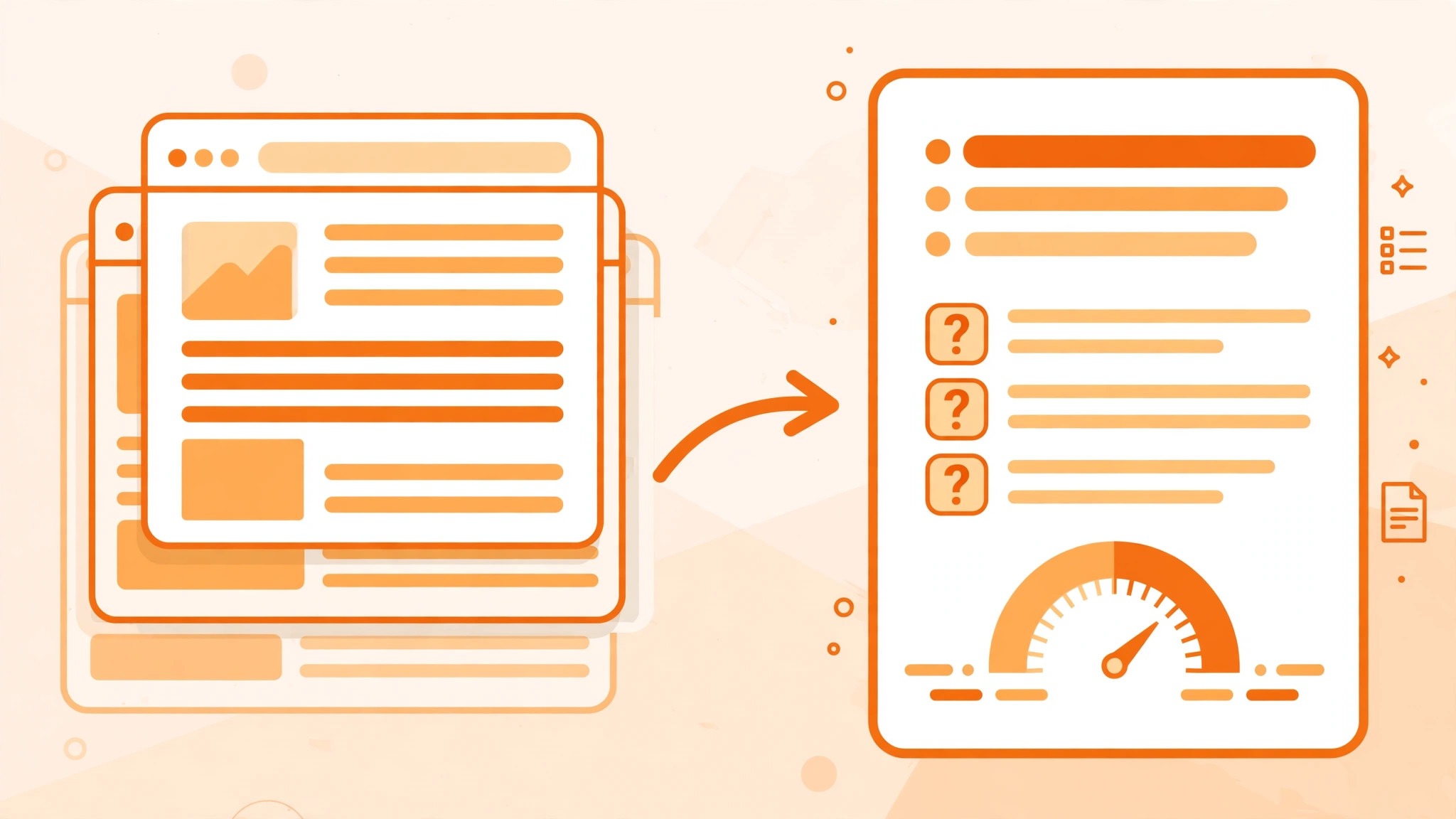
A content brief is the difference between a writer who guesses and a writer who knows. A good brief says what the page must cover, which questions it must answer, how long it should be, and what the top-ranking pages already say, so the writer starts from evidence instead of a blank page. The top 10 ai tools for content briefs in this guide build that brief from live search data in minutes, and in 2026 they also read what AI answers say, so the page is built for both Google and the answer engines.
This guide compares ten tools on published prices, the briefing job each one does best and the catch that only shows up after the trial ends. Every price below is the published starting price as of late 2026, with annual billing noted where it changes the brief writing number. Use the shortlist first, then read the reviews that match the brief writing jobs content briefs do most.
A team does not need ten brief tools. One brief generator plus one optimisation editor covers most content work, and a third tool only earns its place when it fixes a specific weekly pain, such as AI visibility tracking or briefing at agency volume. Each review below names the brief writing job its tool does best, so pick two and stop shopping. The top 10 ai tools for content briefs reward buyers who match the tool to the workflow, not buyers who buy the biggest platform.
All 10 Tools in One Table
The table below matches each common briefing job to the single tool that handles it best. Use it to narrow the top 10 ai tools for content briefs to two or three candidates before you read the full reviews.
| Job | Best tool | Why it wins |
|---|---|---|
| One-click briefs, best value | Frase | Starter from 39 dollars a month billed annually |
| Live scoring while you write | Surfer | Discovery from 49 dollars a month billed annually |
| Editorial polish, writer handoff | Clearscope | Essentials from 129 dollars a month |
| Topic authority planning | MarketMuse | Pricing on request |
| Agency brief workflow | Content Harmony | Pricing on request |
| Keyword clustering to briefs | Keyword Insights | Pricing on request |
| Cheapest serious optimisation | NeuronWriter | Bronze from 19 dollars a month billed annually |
| AI visibility plus briefs | Scalenut | Pricing on request |
| AI search aware briefs | Floyi | Pro from 99 dollars a month |
| Briefs inside a full suite | Semrush Content Toolkit | 60 dollars a month add-on |
How We Chose the Top 10 AI Tools for Content Briefs
A tool earned a place here only if it builds a real brief in 2026, not if it added an AI label to a keyword list. Five tests decided whether content briefs would keep paying for a brief writing tool after year one. First, the briefing job it does, from a one-click outline to a full editorial handoff, because a tool that does one job well beats a platform that does five jobs poorly.
Second, what the brief is built from, because a brief built only on Google rankings misses what AI answers say, and a brief built only on AI answers misses the ranking pages. Third, whether the price is published and how it scales, including document limits that quietly cap the content volume. Fourth, the handoff, because a brief that cannot reach the writer in their editor is a document nobody opens. Fifth, the catch, from annual document pools that run dry to enterprise pricing that needs a sales call.
The top 10 ai tools for content briefs were also checked for AI search. In 2026 a brief has to cover the questions AI engines ask and the pages they cite, not just the Google top ten. The tools that read AI answers, such as Frase, Surfer and Floyi, build briefs that work in both places, and the ones that do not will leave a gap a competitor fills.
| Check before you buy | What to ask | Why it matters |
|---|---|---|
| Data read | Ranking pages plus AI answers | A brief built on half the data misses half the job |
| Brief depth | Headings, questions, entities and word count | A thin brief leaves the writer guessing |
| Handoff | Reaches the writer in their editor | A brief nobody opens is wasted work |
| Document limits | Briefs or articles per month | An annual pool runs dry mid-quarter |
| AI visibility | Tracks mentions in AI answers | Ranking in Google is only half the job now |
| Free plan limits | Briefs or trials capped | A capped trial may hide the real price |
The 10 Tools, Up Close

1. Frase
Starting price Starter from 39 dollars a month billed annually. Best for One-click briefs, best value. Watch out Starter has one seat and monthly usage limits.
Frase is the brief tool most small teams shortlist first, and it earns that place by building a research brief from a live SERP crawl in one click. It pulls competitor headings, questions and statistics, adds a topic score, and hands the writer an outline with keywords and sources, then scores the draft as it is written. For a small marketing team that wants SERP-driven briefs, a real-time editor and AI visibility tracking in one subscription, that combination is the whole value.
The strength is the value. Starter costs 39 dollars a month billed annually, or 49 monthly, with one site, ten articles and 50 audit pages a month, and Professional at 103 dollars adds three seats and five sites. The catch is the limits: Starter has one seat and monthly usage caps, so a team that publishes at volume will outgrow it. For a small team, Frase is the strongest default on this list.
2. Surfer
Starting price Discovery from 49 dollars a month billed annually. Best for Live scoring while you write. Watch out The annual document pool is a yearly cap, not a monthly one.
Surfer is the reference implementation of live SEO scoring, and its Content Editor is the tool most SEOs compare every rival against. It scores a draft from 0 to 100 against the top-ranking pages, shows the target word count, the heading structure and the ranked list of terms with target frequencies, and now adds an AI Tracker that monitors brand visibility in AI answers. For a team that revises drafts against structured guidelines, that scoring is the whole value.
The strength is the editor. No other tool gives a writer such precise guidance while they type, and the Google Docs and WordPress integrations put the score where the writer already works. The catch is the document pool: Discovery at 49 dollars a month billed annually covers 120 documents a year, and Standard at 99 covers 360, so a team that publishes weekly must count its pool. For refresh-heavy teams, Surfer is the best buy.
3. Clearscope
Starting price Essentials from 129 dollars a month. Best for Editorial polish, writer handoff. Watch out The most expensive tool here, and the caps are tight.
Clearscope is the editorial tool for content teams and publishers, built for the handoff to writers who are not SEO specialists. It grades a draft with a Content Grade, reads the top-ranking content for the query, and now tracks the query fan-out, the web searches AI platforms run, so the brief covers what AI answers ask. For a team that hands briefs to freelance writers, that clarity is the whole value.
The strength is the polish. Clearscope is the cleanest interface on this list, with unlimited users and projects, so a whole team can work in it without per seat charges. The catch is the price: Essentials costs 129 dollars a month for 50 tracked pages, 20 monthly Drafts and 20 Discoveries, and Business at 399 raises the caps. A team that publishes at volume should do the per-article maths before signing.
4. MarketMuse
Starting price Pricing on request. Best for Topic authority planning. Watch out No public prices, and the platform needs a content strategy to run.
MarketMuse is the topic authority platform, built for teams that plan content as a cluster rather than a single page. It analyses a topic, shows where the site’s coverage is thin, and prioritises the pages that will build authority, then briefs each one. For a publisher building topical authority, that planning is the whole value.
Its real strength lies in the depth of the analysis. MarketMuse sees the gaps a single brief cannot, and its recommendations are grounded in the site’s actual coverage. The catch is the pricing: MarketMuse lists no public prices, so budget for a sales conversation, and the platform needs a content strategy to run. A team without a cluster plan will not get the value.
5. Content Harmony
Starting price Pricing on request. Best for Agency brief workflow. Watch out Quote only, and the value is concentrated in agency workflows.
Content Harmony is the brief workflow tool for agencies, built around the handoff from strategist to writer to editor. It builds the brief from SERP data, structures the outline, and manages the workflow through review, so an agency can brief fifty pages without losing track of any of them. For an agency that lives on briefs, that workflow is the whole value.
The strength is the process. Content Harmony treats the brief as a workflow, not a document, and its templates keep every brief consistent across writers. The catch is the quote-only pricing and the focus: a solo creator will not use the workflow features that justify the price. An agency briefing at volume should trial it against Frase before deciding.
6. Keyword Insights
Starting price Pricing on request. Best for Keyword clustering to briefs. Watch out Quote only, and it needs a keyword list to work on.
Keyword Insights is the clustering tool that turns a raw keyword export into grouped topics with a brief for each cluster. It analyses SERP overlap, groups the terms that belong on one page, and generates the brief, so a content team can plan a hundred pages from one export. For a site sitting on a large keyword list with no structure, that grouping is where the value lies.
The strength is the time saved. Manual clustering of ten thousand keywords takes days; Keyword Insights does it in minutes, and the briefs that follow are grounded in the clusters. The catch is the dependency: it needs a keyword list to work on, so it pairs with a database tool, and pricing is quoted. Buy it when building the list is the slow part, not when the database is.
7. NeuronWriter
Starting price Bronze from 19 dollars a month billed annually. Best for Cheapest serious optimisation. Watch out The interface is denser than Frase or Surfer.
NeuronWriter is the price floor for serious SEO content optimisation, and it is the pick when budget is the binding constraint. Its Bronze plan runs 19 dollars a month billed annually, or 23 monthly, and includes 25 content writer analyses and 15,000 AI credits, which covers a small team’s monthly output. For a writer who is comfortable with a denser interface, that price is the whole value.
The strength is the value per dollar. No other tool on this list gives real optimisation scoring at this price, and the brief and editor cover the core job. The catch is the interface, which is denser than Frase or Surfer, and the thinner AI visibility features. A budget-conscious team that can live with the interface gets the best deal here.
8. Scalenut
Starting price Pricing on request. Best for AI visibility plus briefs. Watch out Pricing is quoted, so confirm the plan before you budget.
Scalenut is the content platform for teams that publish at volume and need AI visibility tracking alongside their briefs. It builds briefs from SERP data, drafts the article, and tracks prompt visibility across AI engines, so a team can see whether its pages are cited in AI answers. For a team whose goal is GEO article volume, that tracking is the whole value.
The strength is the combination. Scalenut covers the brief, the draft and the AI visibility check in one subscription, which suits a team publishing daily. The catch is the quote-only pricing, which makes it hard to compare against the published prices of its rivals. Ask for the quote in writing, and compare the per-article cost against Frase before you sign.
9. Floyi
Starting price Pro from 99 dollars a month. Best for AI search aware briefs. Watch out A newer tool, so the template library is smaller.
Floyi is the brief generator built for AI search, reading up to seven SERP competitors alongside the AI Overview, AI Mode, ChatGPT and Gemini answers for the query. Its brief includes the outline, the word count, the consensus claims, the net-new angles, the entities and the links, so the writer knows what to cover and what to add that nobody else has said. For a team writing for AI answers, that coverage is the whole value.
The strength is the AI awareness. Floyi is the only tool here that reads the AI answers as a first-class source, and its net-new angle finding is genuinely useful. The catch is the maturity: it is newer than Frase or Surfer, so the template library and the integrations are thinner. Pro runs 99 dollars a month, or 82.50 billed yearly, which is fair for the depth it offers.
10. Semrush Content Toolkit
Starting price 60 dollars a month add-on. Best for Briefs inside a full suite. Watch out An add-on, so the total needs the 139 dollar SEO plan underneath.
The Semrush Content Toolkit is the brief and optimisation add-on for teams already running Semrush, and it is the easiest buy for those teams. It builds briefs from Semrush keyword data, scores drafts against the top-ranking pages, and shares the data the team already pays for, so there is no second database to learn. For a Semrush subscriber, that integration is the whole value.
The strength is the shared data. The brief is built on the same keyword and competitor data the team uses for research, so nothing is duplicated. The catch is the maths: the toolkit costs 60 dollars a month on top of the 139 dollar SEO plan, so the total is 199 a month. A team that does not already run Semrush should buy Frase instead.
Prices and Fit, Side by Side
The table below puts the top 10 ai tools for content briefs side by side on price, best job and free plan, so you can compare the published prices against the quote-only tools at a glance.
| Tool | Starting price | Best for | Free plan |
|---|---|---|---|
| Frase | 39 dollars a month | One-click briefs, best value. | Trial only |
| Surfer | 49 dollars a month | Live scoring while you write. | No |
| Clearscope | 129 dollars a month | Editorial polish, writer handoff. | No |
| MarketMuse | Pricing on request | Topic authority planning. | No |
| Content Harmony | Pricing on request | Agency brief workflow. | No |
| Keyword Insights | Pricing on request | Keyword clustering to briefs. | Trial only |
| NeuronWriter | 19 dollars a month | Cheapest serious optimisation. | Trial only |
| Scalenut | Pricing on request | AI visibility plus briefs. | Trial only |
| Floyi | 99 dollars a month | AI search aware briefs. | No |
| Semrush Content Toolkit | 60 dollars a month | Briefs inside a full suite. | No |
The cheapest way to read the table for content briefs is by job, not by price. A 39 dollar brief tool that the writer actually opens is worth more than a 129 dollar platform whose briefs sit unread, because the brief is only worth what the writer uses. A team that publishes four posts a month needs the brief that makes those four posts better, not the platform with the most features. Start with the best-for column, then the price, and the right tool for content briefs is usually clear in under a minute.
Best Pick by Job
The top 10 ai tools for content briefs split cleanly by the workflow. Match your content process to the row below and the choice makes itself.
| Job | Pick | Why |
|---|---|---|
| Small team, best value | Frase | Briefs, drafts and scoring from 39 dollars a month |
| Refresh-heavy team | Surfer | Live scoring while you write, from 49 dollars |
| Freelance writers, clean handoff | Clearscope | Editorial grading from 129 dollars a month |
| Tightest budget | NeuronWriter | Real optimisation from 19 dollars a month |
| AI search first | Floyi | Briefs built on AI answers, from 99 dollars |
| Already on Semrush | Semrush Content Toolkit | Briefs on shared data, 60 dollars a month add-on |
If you buy one tool this quarter, buy the one that matches the workflow you actually run, not the one with the longest feature list. A brief generator plus an optimisation editor covers nearly every team, and the third tool only earns its place when it fixes a pain the first two cannot touch.
From Brief to Published Page in Five Days
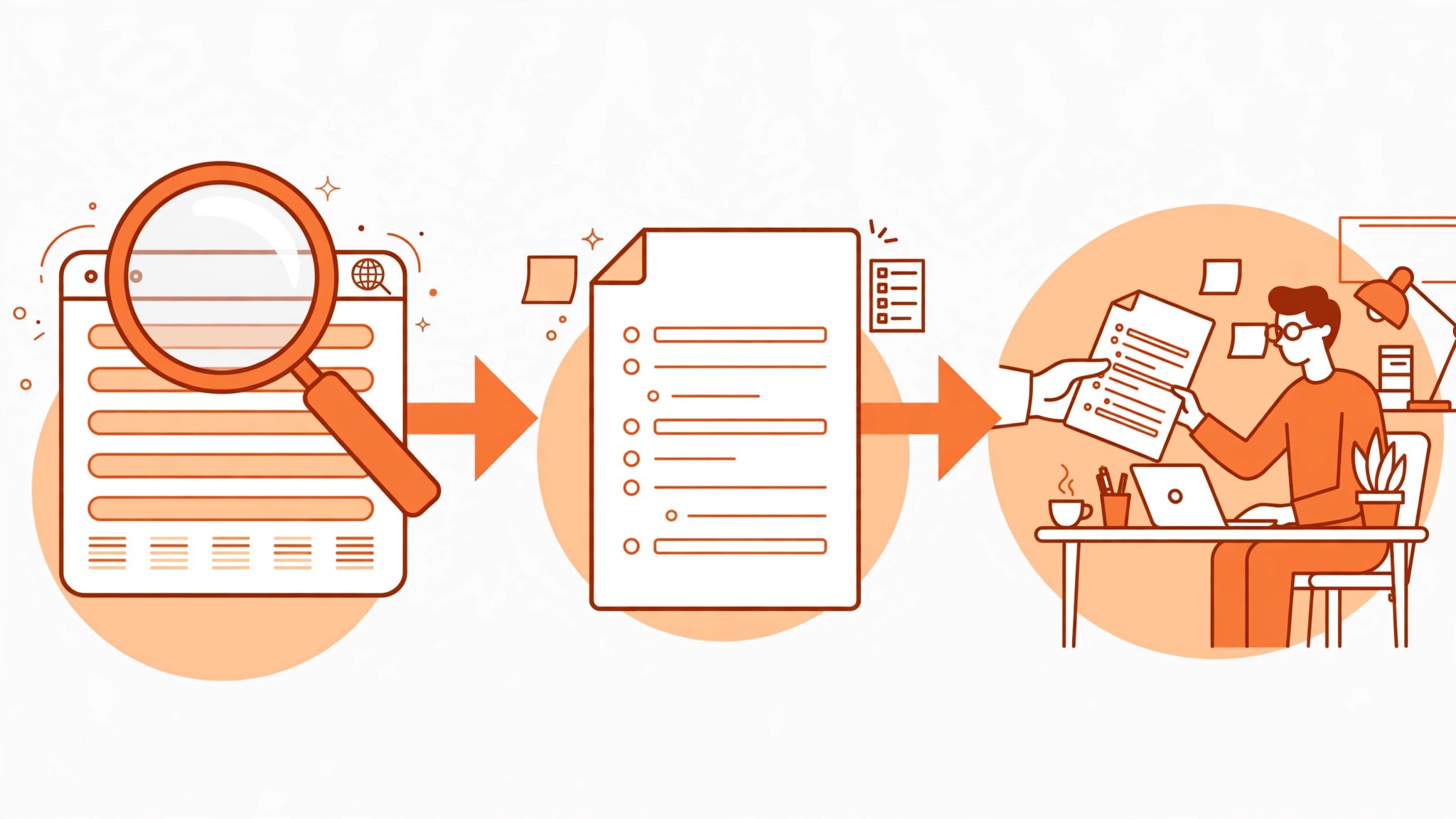
A brief that sits for a month is a brief that goes stale, because the search results it was built on will have changed. The fastest teams run a five-day cycle from brief to published page, and the discipline is the deadline. Day one is the brief: build it from live SERP data, add the AI answer questions, and hand it to the writer the same day. A brief handed over late is a brief the writer has already forgotten the context of.
Days two and three are the draft. The writer follows the brief, covers the questions, and hits the target word count, while the editor checks the draft against the brief rather than against their own taste. The check that matters is coverage: does the page answer every question in the brief, and does it add the net-new angle the brief called for. A draft that covers the brief is a draft that ranks. A draft that ignores it is a rewrite.
Day four is the optimisation pass. Run the draft through the scoring editor, fix the terms that are missing, tighten the headings, and check the score against the top-ranking pages. The score is a guide, not a target: a page that scores 90 by stuffing terms reads worse than a page that scores 75 and answers the question. Optimise for the reader first, and let the score follow.
Day five is the publish and the check. Publish the page, confirm it renders correctly, and log the date, the target keyword and the score, so the refresh cycle has a starting point. A page that is logged is a page that gets refreshed, and a page that is refreshed in three months will outrank a page that was published and forgotten. The five-day cycle is the habit that makes content compound.
Measure the brief by the page it produces, not by the brief itself. A brief is good when the writer delivers a draft that needs one edit pass instead of three, when the page covers every question in the brief, and when the page ranks within three months. Track those three numbers for every brief, and the pattern will show which brief builder earns its keep. A tool that produces beautiful briefs and weak pages is a tool to drop, however impressive its demo was.
Refresh the briefs that already rank, because a brief is not a one-time document. Every quarter, take the ten pages that earn the most traffic and rebuild their briefs from current search data, then compare the new brief against the live page. The gaps are the refresh list, and a page refreshed from a current brief will hold its ranking longer than a page left alone. The teams that win in search treat their best pages as living documents, not as finished work.
| Day | What happens | Output |
|---|---|---|
| Day one | Build the brief from live data | Writer brief |
| Days two to three | Draft against the brief | First draft |
| Day four | Optimisation pass in the scoring editor | Scored draft |
| Day five | Publish and log the page | Live page plus log |
Frequently Asked Questions
What is the best AI tool for content briefs
Frase is the strongest default for a small marketing team, with SERP-driven briefs, a real-time editor and AI visibility tracking from 39 dollars a month billed annually. Surfer is the best for teams that revise drafts against structured guidelines, and Clearscope is the best for handing briefs to freelance writers. The top 10 ai tools for content briefs cover different workflows, so start from yours.
How much do content brief tools cost
Entry prices run from 19 dollars a month for NeuronWriter Bronze billed annually to 39 for Frase Starter, 49 for Surfer Discovery, 99 for Floyi Pro, and 129 for Clearscope Essentials. MarketMuse, Content Harmony, Keyword Insights and Scalenut quote custom prices. Annual billing saves content teams about fifteen to twenty percent against monthly billing.
Can AI write the brief and the article
Yes, and most of these tools do both, but the brief is the more valuable half. A good brief tells the writer what to cover, which questions to answer and what the top pages say, and the AI draft that follows is a first version, not a finished article. The top 10 ai tools for content briefs all keep a human in the loop, because a brief that nobody reviews produces content nobody reads.
What should a content brief include
A useful brief includes the target keyword and search intent, the outline with headings, the questions the page must answer, the target word count, the entities and terms to cover, the top-ranking pages to beat, and the net-new angle that makes the page worth publishing. Frase, Surfer and Floyi all generate these elements from live data, and a brief missing any of them leaves the writer guessing.
Do I need a separate brief tool if I have Semrush
Not necessarily. The Semrush Content Toolkit adds briefs and scoring for 60 dollars a month on top of the SEO plan, which is the easiest buy for a Semrush subscriber. A team that does not run Semrush should buy Frase or Surfer instead, because the toolkit needs the 139 dollar plan underneath it, making the total 199 dollars a month.
How do brief tools handle AI search
The best ones read AI answers as well as Google rankings. Frase reads questions from answer engines, Surfer adds the top-cited pages in AI answers to its competitors, Clearscope tracks the query fan-out that AI platforms run, and Floyi reads the AI Overview, AI Mode, ChatGPT and Gemini answers directly. A brief built only on Google rankings will miss what AI answers say, and the gap will show in the content.
How long should a brief to publish cycle take
Five days is the right pace for most teams: brief on day one, draft on days two and three, optimisation on day four, publish on day five. The top 10 ai tools for content briefs are built for this cycle, because a brief that sits for a month goes stale as the search results change. Log the publish date, the target keyword and the score, so the refresh cycle has a starting point.
Making the Call
If you buy one tool this quarter, buy Frase if you want the best value, and Surfer if you revise drafts against live scores. Frase costs 39 dollars a month billed annually and covers briefs, drafts and scoring in one subscription, while Surfer at 49 dollars a month gives the deepest on-page editor in the business. The top 10 ai tools for content briefs earn their keep by giving you back the hours that research used to eat, and both of these do that from the first brief.
Whatever you pick, start with the content you publish most often, trial on a real brief, and check whether the writer actually opens it before you commit to annual billing. The tools on this list all work. The difference is whether the tool matches the workflow you actually run, and whether you measure the return in better pages rather than in features used. A year from now, the brief writing tools still in use will be the ones that passed that test.