
An advertiser loses money in the gap between a good audience and a wasted impression, not in the creative itself. The right software closes that gap, and the top 10 ai tools for ad targeting do it by putting the ad in front of the people most likely to act, before the budget moves. This guide compares ten tools on published prices, the targeting job each one does best and the catch that only shows up after the trial ends.
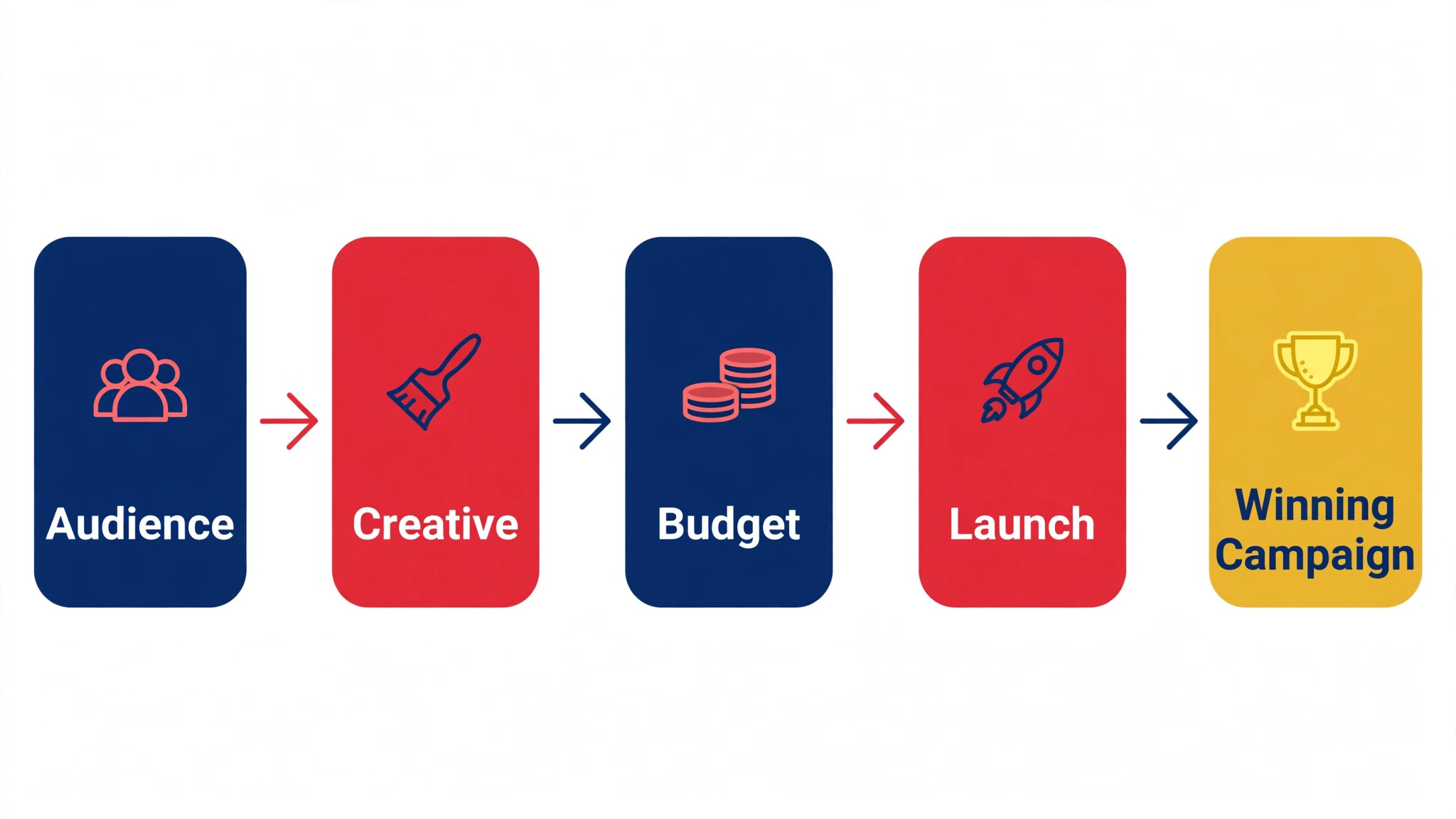
Ad work runs across audiences, creative, budgets, launches and results, and no single product covers all five well. A platform holds the audience, an automation tool shifts the budget, a creative tool tests the variants, and a programmatic tool reaches the open web. Buy the tool that clears the slowest part of a campaign week first, and hold off on a second until a real limit shows up in the numbers.
Prices quoted below are the published starting rates as of late 2026, and pricing on request is noted wherever a vendor does not publish a rate. Start with the shortlist, then read the reviews that match the ad work you do most, and trial two tools side by side before you pay for either.
The Shortlist at a Glance
Use this table to narrow the top 10 ai tools for ad targeting to two or three candidates before you read the full reviews. Monthly list prices apply unless noted, and ad spend is always separate from the tool price.
| Job | Best tool | Why it wins |
|---|---|---|
| Targeting across Facebook and Instagram | Meta Ads Manager | The biggest social audience there is |
| Search intent targeting at scale | Google Ads | Buyers who are already searching |
| Job-title and company targeting | LinkedIn Campaign Manager | Targeting by job title and company |
| Interest targeting for short video | TikTok Ads Manager | Short video buyers at low cost |
| Retargeting across web and social | AdRoll | Retargeting that follows buyers everywhere |
| Testing many ad variants at once | AdEspresso | Variant testing for Meta and Google ads |
| AI creative and audience automation for Meta | Madgicx | AI automation for Meta buyers |
| Automated rules that pause losing ads | Revealbot | Rules that stop the waste for you |
| Large-scale creative automation for brands | Smartly.io | Creative automation at brand scale |
| Programmatic reach across the open web | The Trade Desk | Programmatic reach across the open web |
How We Chose the Top 10 AI Tools For Ad Targeting
The top 10 ai tools for ad targeting were judged on five things that decide whether a team keeps paying after the first year. First we judged the job each tool does, since a single-purpose ad tool usually beats a platform stretched across five jobs at once. Next came published pricing and how it scales, since platform fees and ad spend together decide the real bill as a campaign grows.
Result quality came third, because a mistargeted campaign costs more to fix than a month of subscription. Fourth, fit with the systems a team already runs, because a tool that cannot reach the store or the analytics forces double entry on every launch. Fifth, the catch, from free platforms that charge per click to enterprise tools that need a sales call before the first trial.
| Check before you buy | What to ask | Why it matters |
|---|---|---|
| Published price | Is the rate on the pricing page | A hidden price is a hidden bill |
| Free plan limits | Usage caps, spend caps or seats | A capped free plan cannot run the real job |
| Integration | Does it connect to your store and analytics | Double entry eats the time it saves |
| Audience quality | Can you target the buyers who act | A broad audience wastes the whole budget |
| Trial access | Can you test it on real spend | A demo is not a trial |
| Contract terms | Monthly or annual, and what year two costs | Annual billing locks the price but not the need |
The Tools, One by One
1. Meta Ads Manager
Starting price Free to use, ad spend separate. Best for Targeting across Facebook and Instagram. Watch out Costs rise as audiences shrink.
Meta Ads Manager runs ads across Facebook, Instagram, Messenger and the Audience Network, with interest, behaviour and lookalike targeting built on the largest social audience there is. A buyer can test ten audiences in a day, read the cost per result for each and move the budget to the winner before the week ends.
The platform itself is free, so the cost is the ad spend and the time to manage it. Advantage+ uses AI to find buyers beyond the audience a marketer picks, which helps when the targeting is too narrow. Meta earns its place as the social core in the top 10 ai tools for ad targeting when the buyers live on social.
2. Google Ads
Starting price Free to use, ad spend separate. Best for Search intent targeting at scale. Watch out Broad match can burn budget fast.
Google Ads puts a business in front of people who are already searching for what it sells, with keyword, audience and Performance Max campaigns that use AI to find buyers across Search, YouTube and Display. A buyer can start with exact match, read the search terms report and cut the waste in the first week.
The platform is free and the cost is the click, so the budget is set by the buyer. Broad match and Smart Bidding can spend fast when the settings are loose, so check the search terms daily in the first month. Google Ads is the pick when intent, not interruption, is the strategy.
3. LinkedIn Campaign Manager
Starting price Free to use, ad spend separate. Best for Job-title and company targeting. Watch out Clicks cost more than any other channel.
LinkedIn Campaign Manager targets by job title, company, seniority, industry and skills, which no other platform can match for business buyers. A seller can reach the exact decision makers at the exact companies on the list, with lead forms that capture the contact without a landing page.
The platform is free and the cost is the click, which runs higher than any other channel, so the budget must match the deal size. Matched Audiences lets a team upload a company list and target it directly. LinkedIn is the pick when the buyer is a job title, not a demographic.
4. TikTok Ads Manager
Starting price Free to use, ad spend separate. Best for Interest targeting for short video. Watch out Creative fatigue hits within days.
TikTok Ads Manager runs short video ads with interest, behaviour and lookalike targeting, plus Smart Creative that tests hooks, captions and cuts automatically. A brand can reach buyers who have never heard of it, at a cost per view that undercuts most other channels.
The platform is free and the cost is the impression, so the budget is set by the buyer. Creative fatigue hits within days, so a team needs fresh hooks every week. TikTok is the pick when the product sells on video and the audience is young.
5. AdRoll
Starting price From $19 a month. Best for Retargeting across web and social. Watch out The entry plan caps ad spend.
AdRoll retargets site visitors across the web, social and email, with AI that picks the buyers most likely to come back. A store can recover abandoned carts and lost checkouts without building a separate campaign for each channel, and the dashboard shows the return on the spend.
The entry plan starts at $19 a month plus ad spend, with a cap on the spend it manages. Higher tiers raise the cap and add more channels and reporting. AdRoll is the pick when the buyers have already visited and need one more nudge.
6. AdEspresso
Starting price From $49 a month. Best for Testing many ad variants at once. Watch out It adds a fee on top of ad spend.
AdEspresso, part of Hootsuite, tests many ad variants at once across Meta and Google, with a visual builder that mixes headlines, images and audiences into dozens of combinations. A buyer can find the winning combination in days instead of testing one change at a time.
The plan starts at $49 a month plus the ad spend, which adds a fee on top of the media cost. The reporting shows the winner per audience, so the budget moves to the combination that converts. AdEspresso is the pick when the variants, not the audience, are the question.
7. Madgicx
Starting price From $49 a month. Best for AI creative and audience automation for Meta. Watch out The learning curve is steep at first.
Madgicx automates Meta advertising with AI audiences, creative testing and budget rules that shift spend to the winning ads. A buyer can launch a campaign, let the tool test the creative and watch the budget move without checking the dashboard every hour.
The plan starts at $49 a month plus ad spend, and the learning curve is steep in the first week, so a new buyer should start with one campaign. The AI audiences find buyers beyond the manual targeting, which helps when the audience is too narrow. Madgicx is the pick when Meta is the main channel.
8. Revealbot
Starting price From $83 a month. Best for Automated rules that pause losing ads. Watch out A bad rule can pause a winner.
Revealbot runs automated rules across Meta, Google and TikTok, pausing losing ads, scaling winners and alerting the team when a metric moves. A buyer can set a rule once and let the tool watch the spend all night, which stops a bad ad from burning the budget while nobody is looking.
The plan starts at $83 a month plus ad spend, and a bad rule can pause a winner, so test every rule on a small budget first. The Slack alerts keep the team informed without opening the dashboard. Revealbot is the pick when the spend needs a night watch.
9. Smartly.io
Starting price Pricing on request. Best for Large-scale creative automation for brands. Watch out Built for big budgets, not small ones.
Smartly.io automates creative production and buying for large brands, generating thousands of ad variants from templates and data feeds, then testing them across Meta, TikTok and Pinterest. A brand can run a campaign in every market with localised creative, without a designer touching each variant.
The price comes from a contract based on spend and seats, and there is no self-serve trial, so a buyer needs a sales process and a large budget. For a small advertiser, the minimums shut the door. For a big brand, Smartly is the creative engine behind the campaigns.
10. The Trade Desk
Starting price Pricing on request. Best for Programmatic reach across the open web. Watch out Minimums shut out small advertisers.
The Trade Desk buys programmatic ads across display, video, audio and connected TV, with targeting built on first-party data and a huge inventory. A buyer can reach an audience across the open web with one platform, and the reporting shows the result per channel and per creative.
The price comes from a contract with minimum spend levels, and there is no self-serve trial, so a small advertiser cannot start here. For a team with a real programmatic budget, the reach and the controls are the value. The Trade Desk is the pick when the open web, not one platform, is the media plan.
Side by Side on Price and Fit
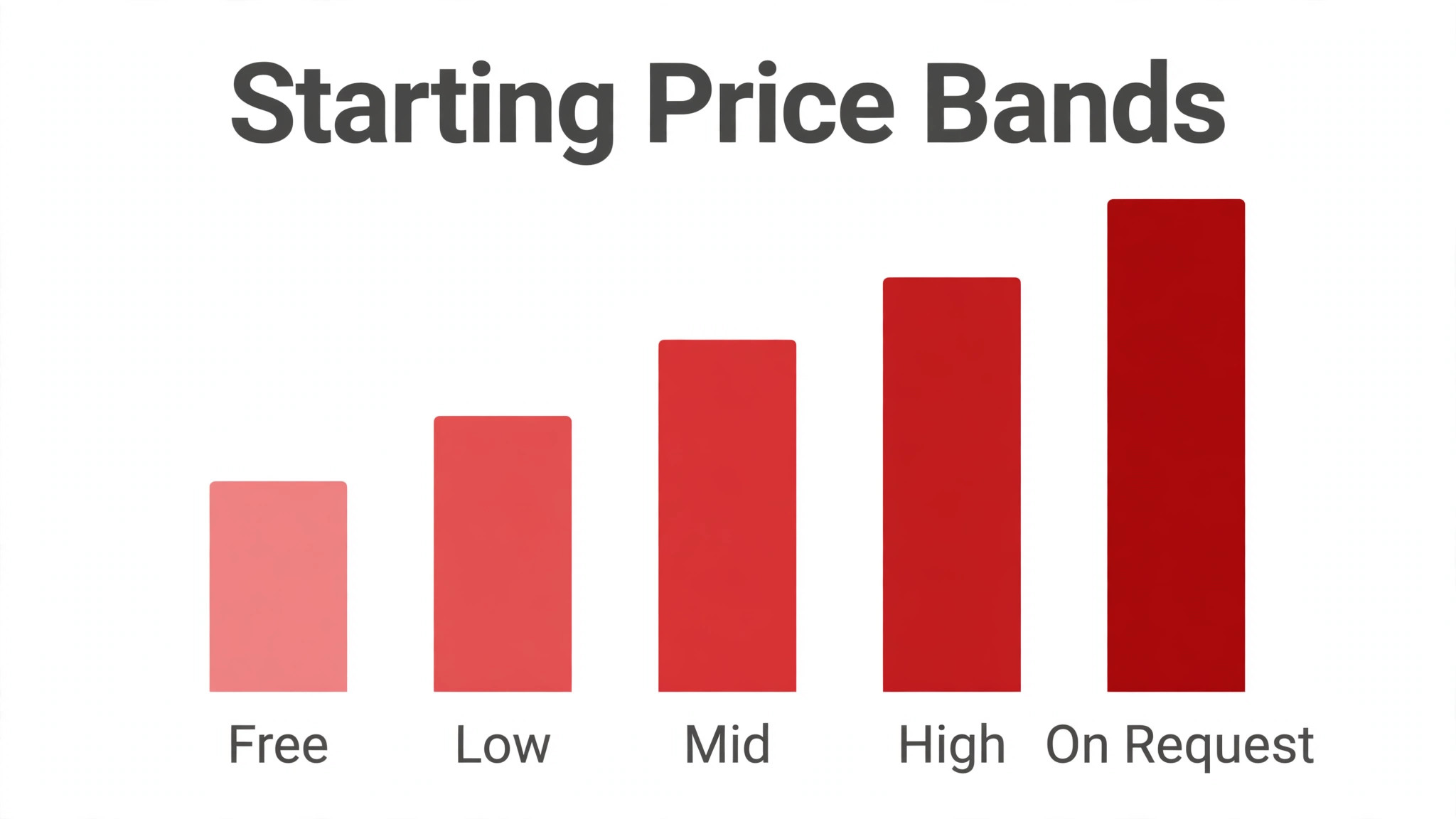
The table below puts the top 10 ai tools for ad targeting side by side on price, best job and free plan, so you can compare the free platforms against the paid automation tools at a glance. Read it by job first, since a team pays more for a cheap tool that fails than for a pricier one that does the work first time.
Read the table by matching the slowest part of a campaign week to a row, then checking the price column for that row before reading on. A tool that fails on the first campaign costs another hour of rework, and one that needs constant correction never pays, however cheap the headline price looks.
| Tool | Starting price | Best for | Free plan |
|---|---|---|---|
| Meta Ads Manager | Free to use, ad spend separate | Targeting across Facebook and Instagram | Yes |
| Google Ads | Free to use, ad spend separate | Search intent targeting at scale | Yes |
| LinkedIn Campaign Manager | Free to use, ad spend separate | Job-title and company targeting | Yes |
| TikTok Ads Manager | Free to use, ad spend separate | Interest targeting for short video | Yes |
| AdRoll | From $19 a month | Retargeting across web and social | Trial |
| AdEspresso | From $49 a month | Testing many ad variants at once | Trial |
| Madgicx | From $49 a month | AI creative and audience automation for Meta | Trial |
| Revealbot | From $83 a month | Automated rules that pause losing ads | Trial |
| Smartly.io | Pricing on request | Large-scale creative automation for brands | No |
| The Trade Desk | Pricing on request | Programmatic reach across the open web | No |
Picking Without Overbuying
Start from the slowest part of the ad week, not from the vendor homepage. The top 10 ai tools for ad targeting are the ones that clear the pile that actually slows you down, whether that pile is audiences, creative or wasted spend. Whatever fixes the slowest bottleneck in a campaign week pays for itself first, and the rest can wait.
Total the whole stack instead of trusting the headline number. The table below prices year one for a solo buyer and for a small team on the common combinations, at published starting prices and before ad spend. Ask for platform fees in writing before signing, since those lines surprise small teams, and annual billing usually cuts about twenty percent off the monthly rate.
| Stack | Monthly cost | What it covers |
|---|---|---|
| Meta Ads Manager plus Madgicx | Lowest starting price | Social plus AI automation |
| Google Ads plus AdEspresso | Lowest starting price | Search plus variant testing |
| LinkedIn plus Revealbot | Mid-range | B2B targeting plus spend rules |
| TikTok plus AdRoll | Lowest starting price | Short video plus retargeting |
Reading the Pricing Page Like a Buyer
Platform fees sit on top of ad spend, so read the pricing page for both numbers before you read anything else. A tool that lists $49 a month may also cap the ad spend it manages, and the add-ons for extra accounts, users or reporting sit on top of that. Ask for the full quote in writing, including the fee when spend doubles, because the first-year discount hides the real rate.
The free tier counts as a real test only when it covers the campaign job you do most. A free platform that charges per click still costs money on every impression, and a free automation plan that caps spend cannot run a real campaign. Trial the tool on a live campaign with a small budget and count what it actually saves, then compare that saving with the paid tier that removes the limit.
Annual billing usually cuts about twenty percent off the monthly rate, but it also locks the team into a tool the buyers may outgrow. Pay monthly for the first quarter, even at the higher rate, and switch to annual only when the tool has survived a real month of campaigns. That saving is real, but only when the tool is still in the campaign stack a year later.
Best Pick by Job
Pick from the table below by the ad job you do most each week. The top 10 ai tools for ad targeting are not ranked by features alone; they are ranked by which job each one actually finishes, so the pick that matches your week is the pick that will still be in your stack a year from now.
| Your job | Best pick | Why it wins |
|---|---|---|
| Targeting across Facebook and Instagram | Meta Ads Manager | The biggest social audience there is |
| Search intent targeting at scale | Google Ads | Buyers who are already searching |
| Job-title and company targeting | LinkedIn Campaign Manager | Targeting by job title and company |
| Interest targeting for short video | TikTok Ads Manager | Short video buyers at low cost |
| Retargeting across web and social | AdRoll | Retargeting that follows buyers everywhere |
| Testing many ad variants at once | AdEspresso | Variant testing for Meta and Google ads |
| AI creative and audience automation for Meta | Madgicx | AI automation for Meta buyers |
| Automated rules that pause losing ads | Revealbot | Rules that stop the waste for you |
| Large-scale creative automation for brands | Smartly.io | Creative automation at brand scale |
| Programmatic reach across the open web | The Trade Desk | Programmatic reach across the open web |
A Five-Day Trial That Tells the Truth
A trial tells a team more in five working days than a month of reading reviews, but only when the trial runs on real spend. Pick the two tools that look closest after the shortlist, run them side by side on the same core jobs, and score them on cost per result, edits needed and how the output reads to a colleague.
Never trial on a demo account, because a demo hides the rough edges real spend exposes. Run the trial on live campaigns, live audiences and live budgets, and keep a simple log of cost per result and errors found. When the week ends, the log of real campaign results decides, not the sales call.
| Day | What to test | What good looks like |
|---|---|---|
| Day 1 | Setup and first real campaign | Working in under an hour, no IT ticket |
| Day 2 | The hardest audience you target | Output needs light edits, not a rewrite |
| Day 3 | Integration with your store | Data flows without double entry |
| Day 4 | A colleague tries it cold | They finish a campaign without asking for help |
| Day 5 | Count the cost per result | Cost per result beats the old channel |
Setting Up in Week One
Week one should start with one real campaign, not with the settings page. Connect the ad accounts, the store and the analytics first, then launch a small test campaign so the tool proves itself on money that matters. A tool that starts empty stays empty, because nobody opens software that holds nothing a buyer needs.
Pick one person to own the setup and one real campaign to run through it end to end. That person builds the audience, launches the ads, reads the cost per result and shifts the budget, then writes down every step that felt slow. That list of slow steps is the setup checklist for the rest of the campaign team.
By the end of the week the whole team should be buying from the same platform, with the old spreadsheets retired rather than kept alongside. Keeping the old system alongside the new one means entering everything twice, and the new platform takes the blame for the old habit. Retire the spreadsheet on Friday, and the team will buy from the tool on Monday.
Mistakes Advertisers Keep Making
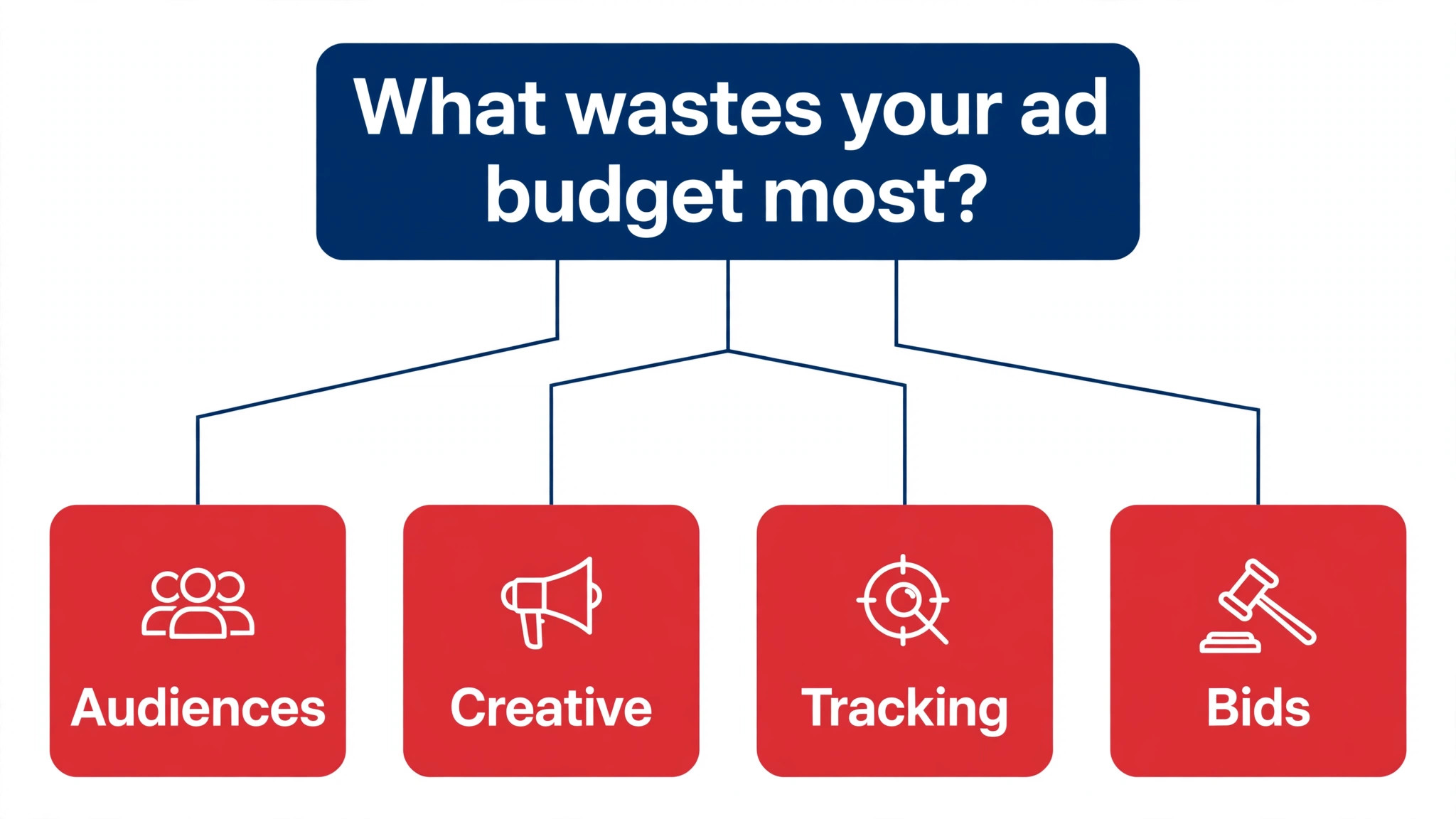
Mistake one is the cheapest plan, when the feature the campaign team needs sits two tiers up. Read every tier on the pricing page, and pay for the tier that does the daily campaign job, not the tier that looks cheap. Mistake two is rolling the tool out to the whole team before one buyer has tried it for a week, since a favourite of one and a burden to five is a cost, not a system.
The third mistake is targeting too wide and blaming the creative. Ask for the audience definition, read the placement report and check the frequency before the budget rises, because a broad audience wastes the spend faster than a weak ad. The fourth mistake is judging the tool on its best day, so trial it on the hardest audience you actually buy for and let that hard job decide.
Vetting the Vendor in One Call
Ask the vendor what spend the entry plan actually manages, because a spend cap is the limit a buying team hits first. A tool that looks cheap at forty-nine dollars a month turns expensive when the budget grows past the cap and the next tier doubles the bill. Ask for the cap in writing, with the price of the tier above it, before the trial starts.
Find out who answers support and how quickly, because the first problem usually arrives in the first week. A tool with live chat and a same-day answer gets adopted by the team, while one with email-only support and a two-day wait gets abandoned, and the subscription keeps billing either way. Ask for support hours in your own time zone, not the hours kept by the vendor home office.
Ask how the campaign data leaves the tool, because audiences and rules that cannot be exported are work held hostage. Check the export format, the audiences included and whether the rules and history come out with the campaigns. A clean export is what separates a tool you can walk away from and a tool you are stuck with.
Questions Advertisers Ask First
Which tool gives a small advertiser the cheapest good start
Meta Ads Manager is the cheapest credible start on this list at free to use, with ad spend separate, and Google Ads close behind at the same price. Start with the job you do most each week, trial the free platform on real spend, and add a specialist only when the general tool cannot do a job you are paid to do. That is the cheapest route to a working campaign stack, with no payment for features never used.
Can a team keep AI targeting from wasting budget
It will waste budget when a team launches the automated audience unchanged. These tools draft a usable first audience, but the exclusions, the caps and the judgement still come from the person doing the work. A campaign that runs without a check spends like a fire hose, and the finance team notices the burn fast. Use the tool to find the audience, then set the caps, the exclusions and the rules, so the result sounds like you and not the software.
For a small team, which option wins
Meta Ads Manager is the pick for a small team, at free to use with the largest social audience, while Google Ads is the strongest option when buyers search first. The top 10 ai tools for ad targeting were ranked by the job each one finishes, not by the size of the feature list, so a small team should buy the tool that fixes its slowest weekly job first and add a second tool only when a specific limit starts costing time.
How much will a small team spend in year one
Plan on 50 to 100 dollars a month in year one for an automation tool such as Madgicx, plus the ad spend itself, rising to 150 to 300 dollars a month with a specialist such as Revealbot added. Multiply the headline price by headcount when the team pays per seat, since those charges surprise buyers. Price the whole stack and trial each tool on real spend before signing an annual contract.
Does a team need a specialist tool as well as a general one
Not always. Most teams get by with one general tool for months, and a separate specialist only earns its place when a specific daily campaign task runs every week and the general tool cannot do it well. Measure a week of targeting work before you pay for it. When a campaign task takes hours and a specialist cuts it to minutes, buy it, but when the task already takes minutes, the specialist is a cost.
Do these tools offer a trial before payment
Most tools on this list offer a free plan or a free trial, and AdRoll, AdEspresso, Madgicx and Revealbot all let a team test on real work before paying, while the ad platforms themselves are free to use. Use the trial on the job itself the team does most, not on a demo, and count the cost per result and the edits each output needs. A trial that covers a real week tells a team more than a sales call, and a tool that will not offer a trial is one to be careful about.
The Short Answer
If you buy one tool this quarter, pick Meta Ads Manager for social buyers and Google Ads when buyers search first. Meta is the strongest social platform at free to use, and Google is the best intent channel there is. The top 10 ai tools for ad targeting earn their keep by giving you back the budget wasted on the wrong audience, and both of these do that from the first campaign.
Whatever you pick, trial it on a real week of spend, count the cost per result and the waste it stops, and keep a human eye on every audience before it goes live. Every targeting tool here can find real buyers. The difference is whether the platform matches the buyers you actually chase, and whether you measure the return in cost per result and revenue won rather than in features used.