
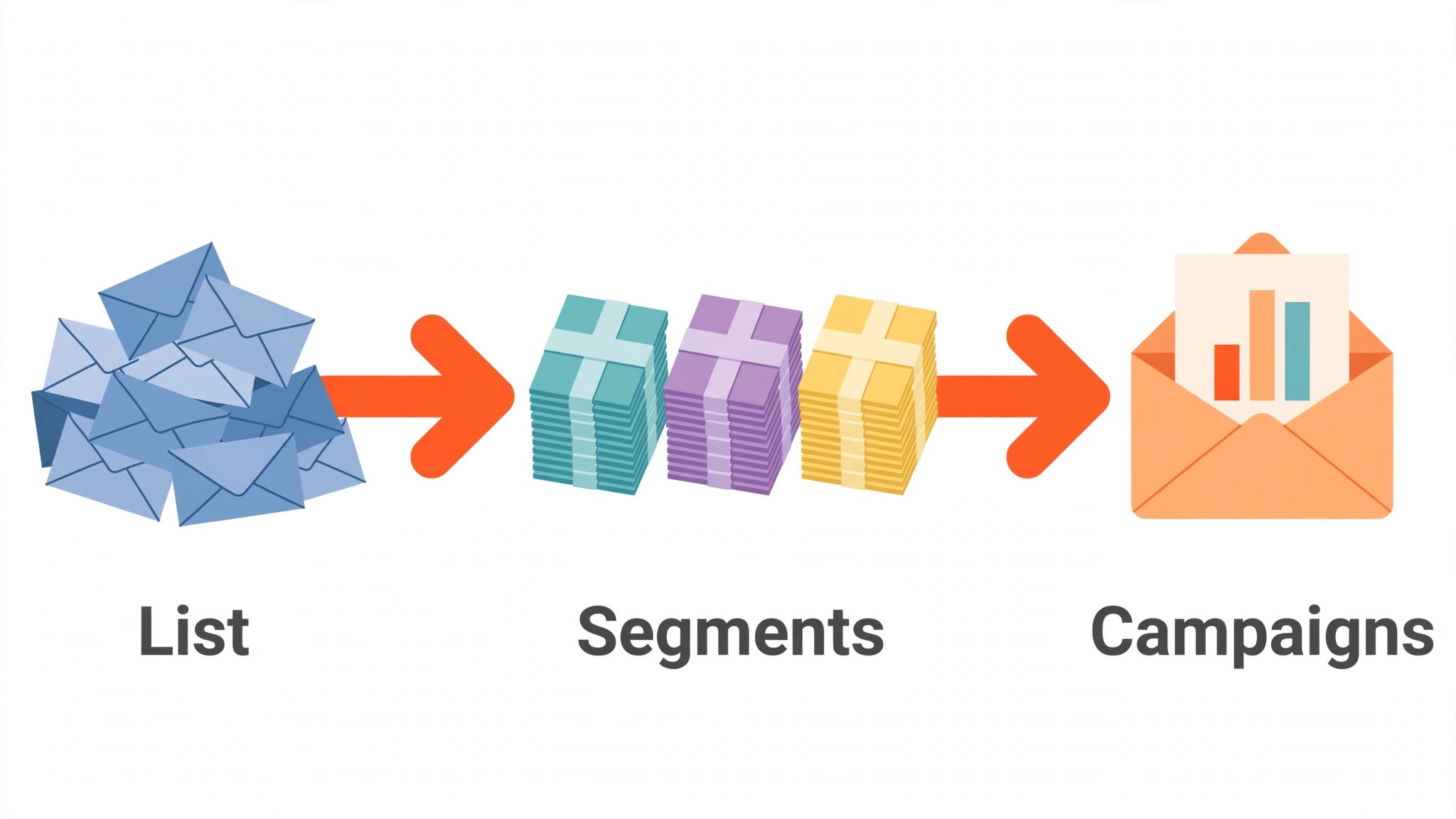
An email marketer writes the campaign, builds the segment, tests the subject line, and then watches the open rate decide whether the week was a success. The list grows, the segments multiply, and the personalisation that used to be a nice extra is now the thing subscribers expect. The best ai tools for email marketers take the repetitive half of that work and shorten it, drafting the subject lines, writing the first version of the copy, and sorting the list, so the marketer spends the saved hours on the strategy that actually moves the numbers.
The trap is buying a sending tool when the real problem is a list that never gets cleaned, or buying an automation platform when the real problem is copy that nobody opens. A marketer with ten thousand subscribers needs different software from one with ten, and a shop needs different software from a creator. This guide sorts the tools by the email job they serve, so you buy the piece that matches the list you actually run.
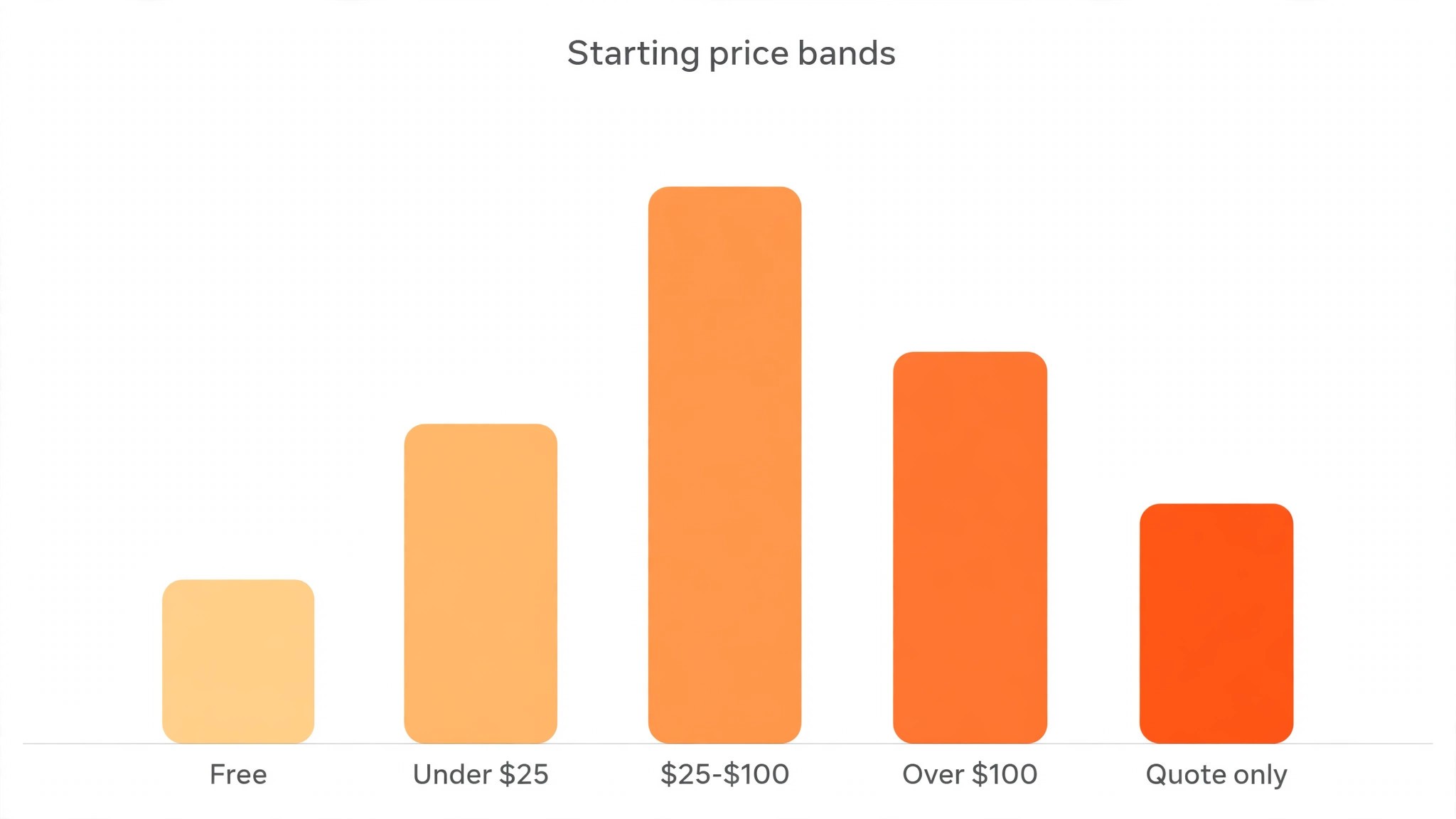
This guide compares eight tools on published starting prices, the email job each one does best and the limit that only shows up after the trial ends. Prices below come from the vendors’ published starting rates as of late 2026, and any tool for email marketing without a published rate is marked pricing on request. Start with the shortlist, then read the reviews that match the campaigns you send most.
The Eight, Side by Side
Use it to narrow the best ai tools for email marketers to two or three candidates before you read the full reviews. Monthly list prices apply unless noted, and the bill usually scales with contacts, so check the price at your real list size before you decide.
| Job | Best tool | Why it wins |
|---|---|---|
| Beginners and small lists | Mailchimp | Mailchimp is the most widely used email marketing platform for small businesses, with |
| Ecommerce email and SMS | Klaviyo | Klaviyo is an email and SMS platform built for ecommerce, tying every campaign to the shop’s |
| Automation that runs itself | ActiveCampaign | ActiveCampaign is a marketing automation platform that combines email, CRM and sales |
| Value for growing lists | Brevo | Brevo, formerly Sendinblue, is an email and SMS platform that charges by emails sent rather |
| Creators and newsletters | Kit | Kit, formerly ConvertKit, is an email platform built for creators, with landing pages, |
| Simple campaigns on a budget | MailerLite | MailerLite is a simple email marketing platform with a clean editor, landing pages and |
| Email tied to a CRM | HubSpot | HubSpot is a CRM platform with email marketing built in, so every campaign connects to the |
| Small business events and newsletters | Constant Contact | Constant Contact is an email marketing platform built for small businesses, with templates, |
How We Chose the Best AI Tools for Email Marketers
A tool earned a place here only when it does a real email job well in 2026, not when it added an AI label to an old sender. The best ai tools for email marketers were judged on five things that decide whether a marketer keeps paying after the first quarter.
Deliverability came first, because a beautiful campaign that lands in spam is worth nothing. Next came the AI writing quality, since subject lines and copy decide the open rate. Pricing and how it scales with contacts came third, then the automation, because a marketer needs flows that run while they sleep. The catch, from contact caps to per-email charges, came fifth.
| Check before you buy | What to ask | Why it matters |
|---|---|---|
| Published price | Is the rate on the pricing page | A hidden price is a hidden bill |
| Deliverability | Does it keep you out of the spam folder | A campaign in spam earns nothing |
| Contact pricing | What the bill is at your real list size | A cheap tool at 500 contacts is dear at 50,000 |
| Automation depth | Can it run flows while you sleep | A shallow flow means manual work |
| Trial access | Can you test it on a real campaign | A demo is not a trial |
| Contract terms | Monthly or annual, and what year two costs | Annual billing locks the price but not the need |
Each Platform, Reviewed
The plain-text version of an email is the test most marketers skip, and it is the one subscribers on slow connections actually read. A campaign that looks beautiful in the editor and falls apart in plain text loses the readers who matter most, so send the test to a plain-text inbox and read it there before the campaign goes out.
Testing is where small gains compound into real money. A subject line that lifts opens by two percent, a button that lifts clicks by one percent and a send time that lifts both will, over a year, earn more than any new template. The tool that makes testing easy is the one that pays for itself, so run one real test on the trial and see how long it takes.
The unsubscribe page is the last impression a subscriber gets, and most teams treat it as an afterthought. A clear, polite unsubscribe that offers fewer emails instead of none keeps the subscribers who would otherwise leave for good, and the tool that handles preferences well is protecting the list. Check the preference page on the trial, because a list that only shrinks is a list that is dying.
1. Mailchimp
Starting price Free tier available, then from 13 dollars a month. Best for Beginners and small lists. Watch out The contact-based pricing, which rises fast as the list grows.
Mailchimp is the most widely used email marketing platform for small businesses, with templates, segmentation and automation in a friendly interface. The AI features draft subject lines, suggest the best send time and write the first version of the campaign, so a marketer can send a polished email without a designer.
At 13 dollars a month, Mailchimp is priced for beginners and small lists. The catch is the contact-based pricing, which rises fast as the list grows, so read the plan limits before you pay for a year. In email marketing, trial the tool on a single real job: the quality of its output on your own material decides whether the subscription survives month two, not the pricing page.
In email marketing, the trial is the test that counts, with one real job timed and the edits counted before any decision.
That is the test to apply to the best ai tools for email marketers as a group: the tool that saves an hour a week on real work pays for itself, and the tool that needs constant correction does not, however cheap the headline looks.
2. Klaviyo
Starting price A free tier is available, with paid plans starting at 20 dollars a month. Best for Ecommerce email and SMS. Watch out The price, which scales with contacts and messages.
Klaviyo is an email and SMS platform built for ecommerce, tying every campaign to the shop’s data so a marketer can target buyers by what they bought, browsed or abandoned. The AI features predict the next purchase, draft the flows and score the segments, which is the work that turns a list into revenue.
The starting price of 20 dollars a month puts Klaviyo in reach for ecommerce email and SMS, and the paid tiers mostly add volume, seats or deeper integrations. Keep an eye on the price, which scales with contacts and messages, since that is the limit buyers hit first. Try it on your hardest email marketing job, not the easiest one, and count how many edits each output needs.
In email marketing, ask the vendor about the first week, who helps with setup, and what happens when the first output needs a fix.
3. ActiveCampaign
Starting price Paid plans begin at 15 dollars a month. Best for Automation that runs itself. Watch out The learning curve, since the automation builder is deep.
ActiveCampaign is a marketing automation platform that combines email, CRM and sales automation, with a visual builder that lets a marketer design flows that run for months. The AI features draft the emails, score the leads and suggest the next step, so the marketer builds the flow once and it keeps working.
ActiveCampaign starts at 15 dollars a month, which suits automation that runs itself. The thing to check first is the learning curve, since the automation builder is deep, because that shapes the real cost once the team grows. In email marketing, trial for five days on live work, note the minutes saved and the fixes needed, and let that record decide whether the tool stays.
In email marketing, test the export before committing, so your work is never locked inside a system you later want to leave.
4. Brevo
Starting price Free tier available, then from 25 dollars a month. Best for Value for growing lists. Watch out The daily sending limits on the lower tiers.
Brevo, formerly Sendinblue, is an email and SMS platform that charges by emails sent rather than by contacts, which makes it cheaper for a growing list. The AI features draft subject lines, suggest the best send time and build the segments, so a small team can run professional campaigns without a big budget.
For value for growing lists, Brevo at 25 dollars a month is a fair entry point, and the higher tiers add the controls a bigger team needs. The weak spot is the daily sending limits on the lower tiers, so confirm it on a trial before signing anything annual. In email marketing, ask not whether the tool works in general, but whether it works on your material, at your volume, without a rewrite.
For email marketing, help matters more than the feature list, since the first problem usually lands in week one and slow replies stall the whole team.
5. Kit
Starting price Free tier available, then from 25 dollars a month. Best for Creators and newsletters. Watch out The ecommerce features, which are thinner than Klaviyo.
Kit, formerly ConvertKit, is an email platform built for creators, with landing pages, newsletters and paid subscriptions in one place. The AI features draft the newsletter, suggest subject lines and segment the audience by interest, so a creator can grow the list and the income from the same dashboard.
Starting at 25 dollars a month, Kit fits creators and newsletters without a procurement meeting. Watch for the ecommerce features, which are thinner than Klaviyo, which is where the bill or the workflow usually surprises buyers. In email marketing, run it for one real week, score it on time saved and edits needed, then compare that score with the next tool on this list before committing.
In email marketing, add up the whole stack rather than the headline number, and ask for per-seat charges in writing before signing.
6. MailerLite
Starting price A free tier is available, with paid plans starting at 10 dollars a month. Best for Simple campaigns on a budget. Watch out The automation, which is simpler than the bigger platforms.
MailerLite is a simple email marketing platform with a clean editor, landing pages and automation, aimed at small businesses that want to send good emails without a learning curve. The AI features draft subject lines, write the first version of the copy and suggest the best send time, which is enough for most small lists.
MailerLite opens at 10 dollars a month and is aimed squarely at simple campaigns on a budget. The trade-off is the automation, which is simpler than the bigger platforms, so check the tier that removes it and price that tier, not the headline. For email marketing, a cheap-on-paper tool that works slowly costs more than a pricier one that finishes the job first time.
In email marketing, compare it with the next tool on this list on a real week of work, rather than on the vendor’s polished demo.
7. HubSpot
Starting price Free tier available, then Starter from 15 dollars a month. Best for Email tied to a CRM. Watch out The price jumps, which are steep between tiers.
HubSpot is a CRM platform with email marketing built in, so every campaign connects to the contact record, the deal pipeline and the support history. The AI features draft the emails, score the leads and suggest the next action, which is the work that turns a marketing list into a sales pipeline.
At 15 dollars a month, HubSpot is priced for email tied to a CRM. The catch is the price jumps, which are steep between tiers, so read the plan limits before you pay for a year. For email marketing, a trial on one real job tells you more than the pricing page, because the output quality on your own material decides whether the subscription survives month two.
For email marketing, an hour saved a week on real work means the tool pays for itself, while constant correction means it never does, whatever the headline price.
8. Constant Contact
Starting price Paid plans begin at 12 dollars a month. Best for Small business events and newsletters. Watch out The automation, which is basic next to the bigger tools.
Constant Contact is an email marketing platform built for small businesses, with templates, event management and social posting in one place. The AI features draft the campaign, suggest subject lines and build the list, so a shop owner can send a newsletter between customers without hiring a marketer.
The starting price of 12 dollars a month puts Constant Contact in reach for small business events and newsletters, and the paid tiers mostly add volume, seats or deeper integrations. Keep an eye on the automation, which is basic next to the bigger tools, since that is the limit buyers hit first. For email marketing, test it on the hardest job you do, not the easiest, and count the edits each output needs.
In email marketing, run it on one real job from your own week before paying, and score the output against the time that job took by hand.
Reading the Price Table
The table below puts the best ai tools for email marketers side by side on price, best job and free plan, so you can compare the published prices against the quote-only tools at a glance.
The fastest way through the table is by list type. A shop with a buying list should look at the ecommerce tools first, while a creator with a reading list should look at the simple senders, because the cheapest tool that cannot reach the inbox costs more than a pricier one that can.
| Tool | Starting price | Best for | Free plan |
|---|---|---|---|
| Mailchimp | Free tier available, then from 13 dollars a month | Beginners and small lists | Yes |
| Klaviyo | Free tier available, then from 20 dollars a month | Ecommerce email and SMS | Yes |
| ActiveCampaign | From 15 dollars a month | Automation that runs itself | Trial |
| Brevo | Free tier available, then from 25 dollars a month | Value for growing lists | Yes |
| Kit | Free tier available, then from 25 dollars a month | Creators and newsletters | Yes |
| MailerLite | Free tier available, then from 10 dollars a month | Simple campaigns on a budget | Yes |
| HubSpot | Free tier available, then Starter from 15 dollars a month | Email tied to a CRM | Yes |
| Constant Contact | From 12 dollars a month | Small business events and newsletters | Trial |
Buying for Your List Size
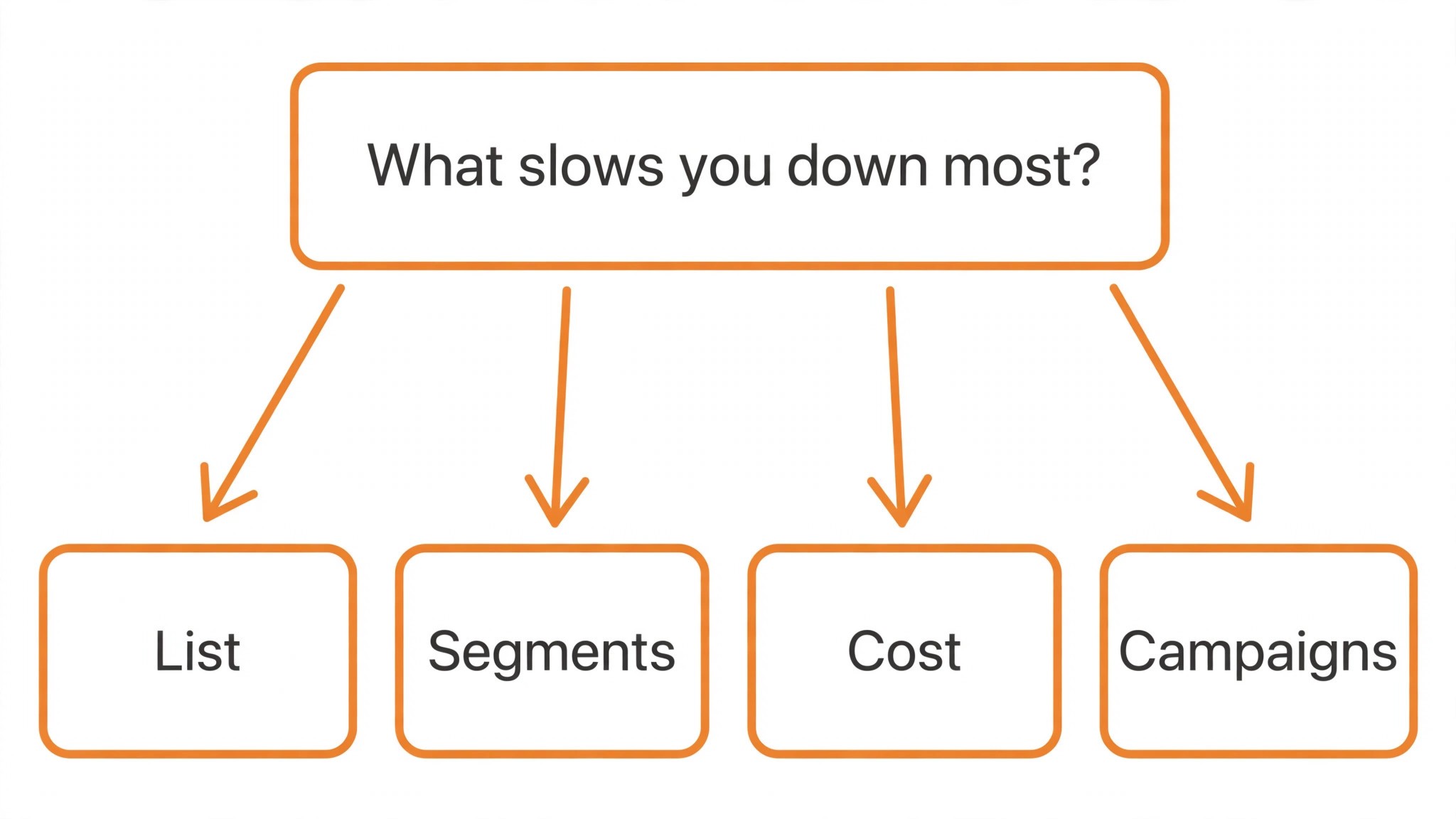
Start from the slowest part of your email week, not from the vendor homepage. Marketers buried in copy should buy the writing tool that clears that pile first, and marketers losing hours to list hygiene should buy the segmentation tool before anything else. Fix the slowest bottleneck in email marketing first, because that tool pays for itself before the others, which can wait.
Price the whole stack at your real contact count, not the headline number. A tool that is cheap at five hundred contacts can be expensive at fifty thousand, so model the bill at your list size, ask for overage charges in writing, and check what year two costs before signing an annual contract. The best ai tools for email marketers on this list were priced at published starting rates, so the stack maths in the table below uses real numbers.
| Stack | Monthly cost | What it covers |
|---|---|---|
| Mailchimp alone | Lowest starting price | One tool for the main job |
| Mailchimp plus Klaviyo | Mid-range | Core tool plus a second specialist |
| Klaviyo plus ActiveCampaign | Mid-range | Specialist pair for a busy week |
| Mailchimp plus ActiveCampaign | Check the pricing page | Core tool plus a workflow specialist |
Best Pick by Job
Pick from the table below by the email job you do most each week. The best ai tools for email marketers are not ranked by features alone; they are ranked by which job each one actually finishes, so the pick that matches your week is the pick that will still be in your stack a year from now.
| Your job | Best pick | Why it wins |
|---|---|---|
| Beginners and small lists | Mailchimp | Mailchimp is the most widely used email marketing platform for small businesses, with |
| Ecommerce email and SMS | Klaviyo | Klaviyo is an email and SMS platform built for ecommerce, tying every campaign to the shop’s |
| Automation that runs itself | ActiveCampaign | ActiveCampaign is a marketing automation platform that combines email, CRM and sales |
| Value for growing lists | Brevo | Brevo, formerly Sendinblue, is an email and SMS platform that charges by emails sent rather |
| Creators and newsletters | Kit | Kit, formerly ConvertKit, is an email platform built for creators, with landing pages, |
| Simple campaigns on a budget | MailerLite | MailerLite is a simple email marketing platform with a clean editor, landing pages and |
| Email tied to a CRM | HubSpot | HubSpot is a CRM platform with email marketing built in, so every campaign connects to the |
| Small business events and newsletters | Constant Contact | Constant Contact is an email marketing platform built for small businesses, with templates, |
Trial It on a Real Campaign
A trial tells an email team more in five working days than a month of reading reviews, but only when the trial runs on real work. Pick the two tools that look closest after the shortlist, run them side by side on the same campaign, and score them on opens, clicks and how the copy reads to a subscriber. Never trial on a demo list, because a demo hides the rough edges real email work exposes. The best ai tools for email marketers are judged on the same five days, so the comparison stays fair.
| Day | What to test | What good looks like |
|---|---|---|
| Day 1 | Setup and first real campaign | Working in under an hour, no IT ticket |
| Day 2 | The hardest campaign you do | Output needs light edits, not a rewrite |
| Day 3 | Integration with your core system | Data flows without double entry |
| Day 4 | A colleague tries it cold | They finish a job without asking for help |
| Day 5 | Count the time and the cost | Hours saved beat the monthly price |
In email marketing, a trial without notes is a week wasted, because the vendors all sound good in the demo. In email marketing, keep a short daily record of the job, the minutes saved, the corrections made and whether the output was fit to send. In email marketing, five days of honest notes beat a month of reading reviews, and the tool with the strongest record is the one to buy.
Email Buying Mistakes
Mistake one: in email marketing, buying the cheapest plan when the feature the team needs is two tiers higher. For email marketing, read every tier on the pricing page and pay for the tier that does the daily job, not the tier that looks cheap. Mistake two is rolling out to the whole list before one marketer has tried the tool for a week, since a favourite of one and a burden to five is a cost, not a system.
The third mistake is skipping the deliverability check. Ask for the sending reputation, read the authentication setup and check the spam score before the first real campaign goes out, because fixing deliverability after the fact costs far more than checking it first. The fourth mistake is judging the tool on its best day, so trial it on the hardest campaign and let the hard campaign decide.
List hygiene is the test most marketers skip. A list with dead addresses drags the open rate down and the spam complaints up, and no AI subject line fixes that. Run the cleaning tool on the trial, check how many dead contacts it finds, and if the number surprises you, the cleaning was the purchase that mattered.
Segmentation is where the money hides. A campaign sent to the whole list earns less than three campaigns sent to three segments, and the tool that builds those segments in minutes is worth more than one that writes prettier copy. Test the segmentation on your own list, and count the segments you can build without exporting to a spreadsheet.
Send time matters more than most teams admit. A campaign sent at the wrong hour loses a quarter of its opens, and the tool that learns your list’s best hour is doing real work. Check the send-time feature on the trial, send to a small segment first, and compare the opens before you trust it with the whole list.
Email Marketer FAQs
Which tool gives an email marketer the cheapest good start?
MailerLite is the cheapest credible start on this list at 10 dollars a month, with Mailchimp close behind on a free tier. Start with the job you do most each week, trial the free tier on a real campaign, and add a specialist only when the general tool cannot do a job you are paid to do. That is the cheapest route to an email stack, with no payment for features never used.
Can a team keep AI subject lines from sounding like spam?
It will sound like spam when a team sends the AI line unchanged. AI tools draft a usable first version, but the voice, the offer and the judgement still come from the marketer doing the work. Use the AI to beat the blank subject line, then change the wording, the promise and the tone, so the result sounds like your brand and not the tool.
For a small business, which email tool wins?
MailerLite is the pick for a small business, starting at 10 dollars a month with almost no setup, while Klaviyo at 20 dollars a month is the strongest all-round option for a shop as the list grows. Buy the slowest-job fix first in email marketing, and bring in a second tool only when a specific limit starts costing time.
How much will a small team spend on email tools in year one?
Plan on 10 to 50 dollars a month in year one for a general tool such as MailerLite, rising to 100 to 300 dollars a month with a specialist such as Klaviyo added. Multiply the headline price by contacts when you pay per contact, since those charges surprise buyers. Price the whole stack and trial each tool on real campaigns before signing an annual contract.
Do these email tools offer a trial before payment?
Most tools on this list offer a free plan or a free trial, and Mailchimp, Klaviyo and Brevo all let marketers test on real campaigns before paying. Use the trial on the campaign itself your team sends most, not on a demo, and count the opens, the clicks and the edits each output needs. A real week of trialling in email marketing tells you more than a sales call ever will.
The Bottom Line
If you buy one tool this quarter, pick MailerLite for a small list or Klaviyo when the shop is the whole business. MailerLite is the easiest place to start at 10 dollars a month, and Klaviyo is the strongest all-round platform for ecommerce at 20 dollars a month. The best ai tools for email marketers earn their keep by giving you back the hours between a brief and a sent campaign, and both of these do that from the first week.
Whatever you pick, trial it on a real campaign, count the opens it earns and the time it saves, and keep a human eye on every AI subject line before it reaches a subscriber. The tools here all work for email marketing; what differs is the fit. The difference is whether the platform matches the list you actually run, and whether you measure the return in hours saved and revenue sent rather than in features used.