
An interviewer who types while the candidate talks misses the answer that matters, and most teams discover that loss only when the hiring decision comes down to a guess. The top 10 ai tools for interview notes fix that gap by capturing the conversation, pulling out the answers and drafting the note while the interviewer stays present.
The difference between a note that hires well and one that misleads is whether it keeps what the candidate actually said, in their words, tied to the question asked. A good note tool records, transcribes and structures the conversation, then lets the interviewer correct the one line that matters before the note is shared. The tools in this guide are judged on whether their notes survive a hiring meeting, not on how fast they transcribe.
This guide compares ten tools on published prices, the note job each one does best and the catch that only shows up after the trial ends. Each price below is the published starting price as of late 2026 for interview work, or marked pricing on request where the vendor publishes no rate. Start with the shortlist, then read the reviews that match the interviews you run most.
The Full Shortlist in One Place
Use it to narrow the top 10 ai tools for interview notes to two or three candidates before you read the full reviews. Monthly list prices apply unless noted, and annual billing usually beats monthly billing for teams who interview every week.
| Job | Best tool | Why it wins |
|---|---|---|
| Hiring interviews with scorecards | Metaview | Notes that match the scorecard |
| Structured interviews with coaching | BrightHire | Coaching for interviewers |
| Interviews plus meeting notes | Avoma | One tool for interviews and meetings |
| Highlight reels from interviews | Grain | Clips that show the key answer |
| Searchable notes across every call | Fireflies | Notes you can search later |
| Cheap, reliable transcription | Otter.ai | The cheapest paid transcription |
| Notes with sentiment and coaching | Read AI | Notes plus a read on the room |
| Clean notes for video interviews | Supernormal | Clean notes, fast |
| Notes for interviews in many languages | Jamie | Multilingual interview notes |
| Free notes for video calls | Fathom | Free notes that actually work |
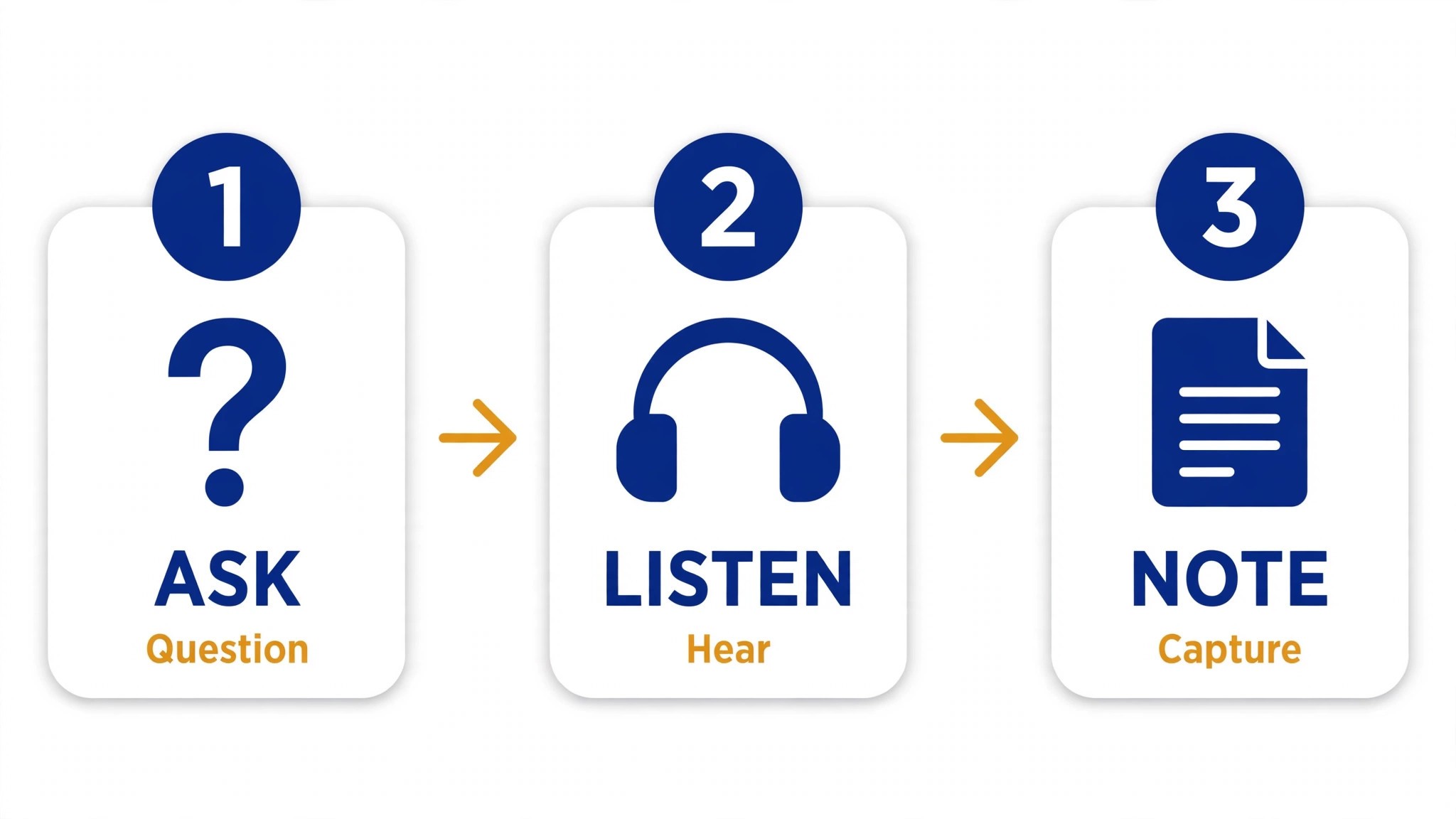
How We Chose the Top 10 Ai Tools For Interview Notes
A tool earned a place here only when it takes a real interview note well in 2026, not when it added an AI label to an old recorder. The top 10 ai tools for interview notes were judged on five things that decide whether a team keeps paying after the first hire.
We ranked the tools first on the note job each one does, because a single-purpose interview tool usually beats a general meeting tool that treats interviews as a side feature. Published pricing came next, with its scaling, because per-user charges set the real bill for a team doing interview work. Output quality came third, because a note that misquotes a candidate costs more to fix than a month of subscription. Fourth, fit with the hiring and video tools the team already runs, because a tool that cannot reach real interviews forces double entry on every hire. Fifth, the catch, from free plans that cap minutes to enterprise tools that need a sales call before the first trial.
| Check before you buy | What to ask | Why it matters |
|---|---|---|
| Published price | Is the rate on the pricing page | A hidden price is a hidden bill |
| Transcript accuracy | Does it catch names and terms | A misquoted answer is a bad hire |
| Note structure | Does it match your scorecard | A wall of text is not a note |
| Hiring link | Does it connect to your ATS | Double entry eats the time it saves |
| Trial access | Can you test it on your real interviews | A demo is not a trial |
| Contract terms | Monthly or annual, and what year two costs | Annual billing locks the price but not the need |
Tool by Tool
1. Metaview
Starting price Pricing on request. Best for Hiring interviews with scorecards. Watch out Pricing is unpublished and there is no self-serve trial.
Metaview records hiring interviews, drafts structured notes matched to the scorecard and flags the evidence behind each rating. A hiring panel gets a note it can actually decide on, instead of a transcript it must read in full.
Here the trade-off is how you buy: no published price for the interview tool and no self-serve trial. Metaview suits a team hiring steadily for roles that need a defensible process. For a small team hiring occasionally, it is the wrong scale.
2. BrightHire
Starting price Pricing on request. Best for Structured interviews with coaching. Watch out Enterprise only, no list price.
BrightHire records interviews, scores them against the interview plan and coaches the interviewer on question quality. It improves the interview itself, not just the note, which is the point for teams that keep hiring on gut feel.
BrightHire is sold to larger hiring teams, so the price comes from a contract and the rollout takes weeks. A team that runs structured interviews at volume will get the most from it. A small team should look at Fathom or Otter.ai first.
3. Avoma
Starting price Plans start at 24 dollars per user each month. Best for Interviews plus meeting notes. Watch out Hiring templates need the higher tier.
Avoma records calls, drafts the notes and helps the team build interview templates from the best sessions. The note lives beside the recording it came from, so a panel member can hear how an answer sounded before deciding.
The 24 dollar starter plan covers the notes and the basic templates, while the deeper hiring features sit higher up. For a team that wants interviews and meetings in one login, that is a fair trade. Check which tier carries the interview feature you actually need before you sign.
4. Grain
Starting price Pricing on request. Best for Highlight reels from interviews. Watch out Pricing is unpublished and the interview focus runs narrow.
Grain records interviews and turns the key moments into short shareable clips, so a hiring manager can watch the two minutes that matter instead of reading a full transcript. It suits a panel that decides by watching, not by reading.
The price is quoted, and the focus is narrow: clips and highlights. A team that needs full structured notes will find it thin. For a panel that wants the evidence in video form, Grain is a strong fit.
5. Fireflies
Starting price Plans begin at 10 dollars per user each month. Best for Searchable notes across every call. Watch out Interview templates are basic.
Fireflies records and transcribes calls, then makes every word searchable, so a recruiter can find what a candidate said about a skill weeks later. It covers interviews, sales calls and team meetings in one archive.
At 10 dollars a user a month it is cheap, and the starter plan covers a small team. The trade-off is structure: the notes are transcripts with summaries, not scorecard notes. For a team that values search over structure, that trade is usually worth it.
6. Otter.ai
Starting price From 8 dollars a user a month. Best for Cheap, reliable transcription. Watch out Summaries need a careful edit.
Otter.ai transcribes interviews live, with speaker labels and a searchable transcript that the team can read during the call. It is the cheapest reliable transcription here, and the setup takes minutes.
The 8 dollar plan is the cheapest paid start on this list, and it covers the core transcription. The summaries need a closer edit than Metaview. For a team that wants the words captured cheaply, Otter.ai is the obvious first buy.
7. Read AI
Starting price It starts at 15 dollars a month per user. Best for Notes with sentiment and coaching. Watch out Hiring templates are thin.
Read AI joins the call, drafts the notes and adds a read on engagement and sentiment, so the interviewer sees which questions landed and which fell flat. It suits a team that wants the note and the debrief in one file.
At 15 dollars a user a month it is a fair price, and the starter plan covers a small team. The trade-off is hiring depth: the templates are built for meetings first. For a team that interviews alongside other meetings, Read AI is a good fit.
8. Supernormal
Starting price Pricing on request. Best for Clean notes for video interviews. Watch out No list price, and a simple feature set.
Supernormal records video interviews and drafts a clean note with the decisions and action items pulled out. It is deliberately simple, which suits a team that wants the note done and nothing else.
The price is quoted, and the feature set is deliberately thin. A team that needs scorecards will find it light. For a team that wants a fast, clean note without a learning curve, Supernormal is a strong fit.
9. Jamie
Starting price Pricing on request. Best for Notes for interviews in many languages. Watch out Pricing is unpublished and the interview focus runs narrow.
Jamie takes notes in video interviews across many languages, drafting the summary in the language the team works in. It suits a team hiring across borders, where the interview happens in one language and the decision in another.
The price is quoted, and the focus is narrow: multilingual notes. A team hiring in one language will find it unnecessary. For a cross-border team, Jamie is a strong fit.
10. Fathom
Starting price Free. Best for Free notes for video calls. Watch out Hiring templates need manual work.
Fathom records video calls, drafts a clean note and highlights the key moments, all for free. A small team gets a capable note tool for nothing, and the setup is a single install.
Free is hard to beat, and the notes are genuinely good. The catch is the missing hiring depth: scorecards need manual work. Use it when the budget is zero, and move to Metaview when the hiring structure becomes the bottleneck.
The Comparison Table, Explained
The table below puts the top 10 ai tools for interview notes side by side on price, best job and free plan, so you can compare the published prices against the quote-only tools at a glance.
The fastest way through the table is by interview type, since teams pay more for a bargain tool that misquotes a candidate than for a pricier one that gets it right first time. A note that misleads the panel eats another round of interviews. Start with what each tool is best at for interview work, then weigh the price, and the decision normally takes under a minute.
| Tool | Starting price | Best for | Free plan |
|---|---|---|---|
| Metaview | Pricing on request | Hiring interviews with scorecards | No |
| BrightHire | Pricing on request | Structured interviews with coaching | No |
| Avoma | From 24 dollars a user a month | Interviews plus meeting notes | Trial |
| Grain | Pricing on request | Highlight reels from interviews | Trial |
| Fireflies | From 10 dollars a user a month | Searchable notes across every call | Trial |
| Otter.ai | From 8 dollars a user a month | Cheap, reliable transcription | Trial |
| Read AI | From 15 dollars a user a month | Notes with sentiment and coaching | Trial |
| Supernormal | Pricing on request | Clean notes for video interviews | Trial |
| Jamie | Pricing on request | Notes for interviews in many languages | Trial |
| Fathom | Free | Free notes for video calls | Yes |
Reading the Price Tags
In year one most teams overpay by buying the top tier for a interview feature they use once. The note tools on this list charge 0 to 24 dollars a user a month at the entry tier, and the gap between tiers is usually the minutes, the number of users, and the hiring integrations. Buy the tier that covers your current interviews, and upgrade only when a panel asks for something the tier cannot produce.
Free plans are worth a careful look because two tools on this interview list let you start without a card. A free tier that caps minutes to a handful, or blocks the export, is a trial in disguise. Count how many interviews you will actually run in a month, check whether the free tier covers them, and treat a free plan that fits as a genuine saving rather than a stepping stone.
The Numbers Behind the Choice
The average hiring decision is made on the strength of the notes, not the memory of the conversation. A panel that meets a week after the interview will remember the candidate impression, but not the exact answer to the key question, and the note is the only record that survives. A good note tool keeps the quote tied to the question, so the panel can check what was actually said rather than what somebody remembers being said.
Interviewers who take notes by hand miss about a third of what the candidate says, because writing and listening compete for the same attention. A recording tool removes that competition, letting the interviewer ask the follow-up question that matters instead of scribbling the last answer. The follow-up question is often where the real evidence appears, and it is the first thing lost when the interviewer is busy writing.
Consistency is the reason structured interviews beat unstructured ones, and the note is where consistency is enforced. A panel that scores every candidate on the same questions, with the evidence written beside each score, can defend its decision and can compare candidates fairly. Tools that match the note to the scorecard make that structure easy, while tools that produce a free-form transcript leave the structure to the interviewer.
Candidate consent matters more than most teams realise. A candidate who is told the interview is being recorded, and why, will answer more openly than one who discovers it later. The tools on this list that handle the consent notice automatically, and store the recording with the right retention, protect the employer as well as the candidate, and that protection is worth checking before the price.
The time saved by an interview note tool is easy to measure. A thirty-minute interview used to take another thirty minutes to write up, and a panel of four interviewers spent two hours on notes for a single candidate. A tool that drafts the note in minutes gives those hours back, and the saving grows with every interview in the process.
Search is the feature that pays off months later. A recruiter who needs to know what a candidate said about a skill, or a hiring manager who wants to compare two candidates on the same question, can find the answer in seconds when the notes are searchable. A pile of unsearchable documents is almost as useless as no notes at all, which is why the search quality should be tested during the trial.
The panel debrief is where notes earn their keep, because it is the moment when four different impressions must become one decision. A debrief that starts from the notes, with each interviewer reading the evidence beside their score, reaches a decision faster and with less argument than one that starts from memory. That speed matters when the candidate has other offers, and the tool that makes the debrief easy is the one that protects the hire.
A note that is shared the same day as the interview is worth twice as much as one shared a week later, because the panel reads it while the conversation is still fresh. Tools that send the draft automatically, as soon as the call ends, remove the delay that turns a good note into a forgotten one.
How to Choose Without Overbuying
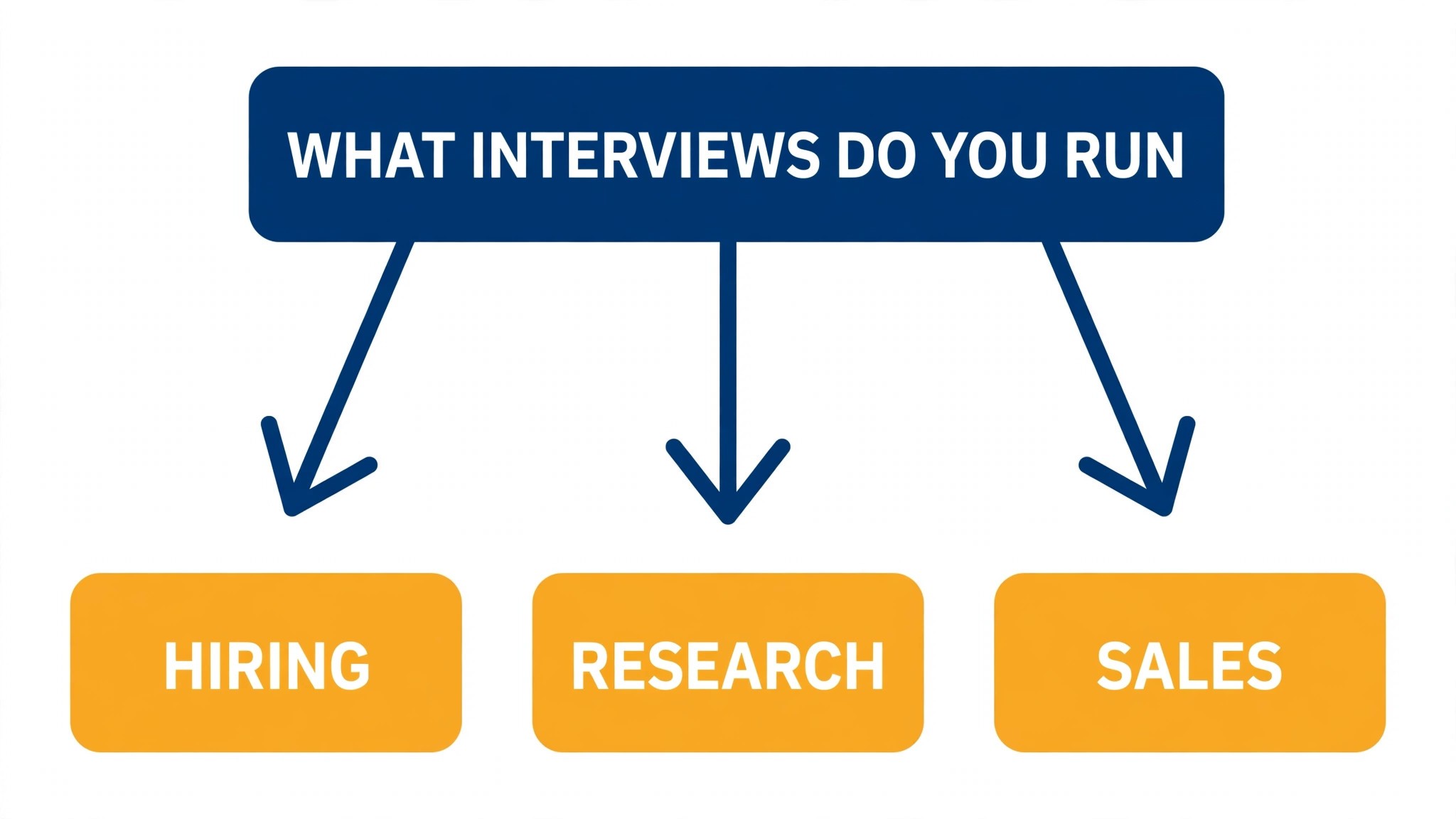
Start from the interview that eats the most hours, not from the vendor homepage. A team hiring in volume needs a different tool from one running deep research interviews, and a small team needs something else again. The tool that fixes the slowest part of your interview week pays for itself first, and the rest can wait.
Price the whole interview stack, not the headline number. Below, the table prices year one for a solo recruiter and a small team on the usual interview combinations, at published starting prices. Get per-user charges in writing before signing, because those lines surprise teams doing interview work, and annual billing usually cuts about twenty percent off the monthly rate.
| Stack | Monthly cost | What it covers |
|---|---|---|
| Fathom alone | Free | One tool for the main job |
| Otter.ai alone | Lowest paid start | Core tool plus a searchable archive |
| Fireflies plus Otter.ai | Mid-range | Core tool plus a second specialist |
| Metaview plus Fireflies | Higher | Core tool plus a hiring specialist |
Best Pick by Job
Pick from the table below by the note job you do most. The top 10 ai tools for interview notes are not ranked by features alone; they are ranked by which job each one actually finishes, so the pick that matches your week is the pick that will still be in your stack a year from now.
| Your job | Best pick | Why it wins |
|---|---|---|
| Hiring interviews with scorecards | Metaview | Notes that match the scorecard |
| Structured interviews with coaching | BrightHire | Coaching for interviewers |
| Interviews plus meeting notes | Avoma | One tool for interviews and meetings |
| Highlight reels from interviews | Grain | Clips that show the key answer |
| Searchable notes across every call | Fireflies | Notes you can search later |
| Cheap, reliable transcription | Otter.ai | The cheapest paid transcription |
| Notes with sentiment and coaching | Read AI | Notes plus a read on the room |
| Clean notes for video interviews | Supernormal | Clean notes, fast |
| Notes for interviews in many languages | Jamie | Multilingual interview notes |
| Free notes for video calls | Fathom | Free notes that actually work |
Testing Before You Pay
A trial tells teams more in five working days than a month of reading reviews, but only when the trial runs on real interviews. Pick the two tools that look closest after the shortlist, run them side by side on the same interview type, and score them on time saved, accuracy and how the note reads to a hiring manager. Never trial on a demo file, because a demo hides the rough edges real conversations expose.
Keep a simple log through the trial week, noting the daily interview task, the minutes it took, the corrections made and whether the note could go to a panel unchecked. When the week ends, the interview work log is the decision. The tool with the best log wins, even when it was not the expected favourite, because the log measures your own interviews, not the vendor demo.
| Day | What to test | What good looks like |
|---|---|---|
| Day 1 | Setup and first real job | Working in under an hour, no IT ticket |
| Day 2 | The hardest job you do | Output needs light edits, not a rewrite |
| Day 3 | Integration with your core system | Data flows without double entry |
| Day 4 | A colleague tries it cold | They finish a job without asking for help |
| Day 5 | Count the time and the cost | Hours saved beat the monthly price |
Buying Mistakes to Skip
Mistake one is the cheapest plan, when the minutes you need sit two tiers up. Read every tier on the pricing page and pay for the tier that does the daily interview job, not the tier that looks cheap. Mistake two is giving the tool to the whole team before a single person has used it for a week on interview work, since a favourite of one and a burden to five is a cost, not a system.
The third mistake is skipping the accuracy check on interview work. Ask a colleague to check the note against the recording, read the transcript before you share it and check the quotes before the first real note goes to a panel, because fixing a note after a decision has been made costs far more than checking it first. The fourth mistake is judging the tool on its best day, so trial it on the hardest interview itself and let the hard interview decide.
Your Questions, Answered
Which tool gives teams the cheapest good start
Fathom is the cheapest credible start on this list at free, with Otter.ai close behind at 8 dollars a user a month. The top 10 ai tools for interview notes include free tiers and free plans, so start with the interview type you run most, trial the free tier on real interviews, and add a specialist only when the general tool cannot structure a note you are judged on. That is the cheapest route to an interview stack, with no payment for features never used.
Can a candidate tell the note was written with AI
They can when the note goes out with a wrong quote. AI tools draft a usable first version, but the facts, the wording and the judgement still come from the interviewer doing the hiring. An output that goes out unedited reads generic, and panels notice generic notes fast. Use the AI to beat the blank page on interview work, then change the details, the wording and the checks, so the result sounds like your team and not the tool.
For a small hiring team, which interview note tool wins
Fathom is the pick for a small team, starting at free with almost no setup, while Metaview is the strongest specialist for hiring interviews. The top 10 ai tools for interview notes were ranked by the job each one finishes, not by the size of the feature list, so a small team should buy the tool that fixes its slowest weekly job first and add a second tool only when a specific limit starts costing time.
How much will a small team spend on interview note tools in year one
Plan on 0 to 15 dollars a user a month in year one for a general note tool such as Otter.ai, rising to 50 to 150 dollars a month with a specialist such as Metaview added. Multiply the headline price by headcount when you pay per seat on a interview tool, since those charges surprise buyers. Price the whole stack and trial each tool on real interviews before signing an annual contract.
Do teams need a specialist tool as well as a general one
Not always. Most teams get by with one general tool for months, and a separate specialist only earns its place when a specific interview task runs every week and the general tool cannot do it well. Track a week of note-taking time before you spend anything. A interview that takes hours and drops to minutes with a specialist is worth buying, while a job that already takes minutes makes the specialist a cost.
Do these interview note tools offer a trial before payment
Most tools on this list offer a free plan or a free trial, and Fathom and Otter.ai both let teams test on real interviews before paying. Use the trial on the interview type you run most, not on a demo, and count the time saved and the corrections each output needs. One real week of interview work in a trial says more than a sales call, and a tool that refuses a trial deserves caution.
The Verdict, in Brief
If you buy one tool this quarter, pick Fathom for a small team that needs clean notes for free, and Metaview when hiring interviews are the bottleneck. Fathom is the easiest place to start at free, and Metaview is the strongest hiring specialist. The top 10 ai tools for interview notes earn their keep by giving you back the hour between the interview and the decision, and both of these do that from the first week.
Whatever you pick, trial it on a real week of interviews, count the notes it produces and the corrections each one needs, and keep a human eye on every quote before it goes to a panel. Every notes tool here can capture an interview accurately. The difference is whether the note tool matches the interviews you actually run, and whether you measure the return in better hires and hours saved rather than in features used.