Most people pay between 10 and 22 dollars a year for a .com name, and that spread is the whole story of this guide. The question of how much does a domain name cost has no single answer because the price depends on the ending you pick, the registrar you buy from, and above all whether you are looking at the first year price or the renewal price. A name advertised at one dollar can cost 23 dollars a year from year two onward, and that gap is where most buyers lose money. This guide works from registrar prices checked in October 2026, so every figure below is a real listed price rather than a guess.
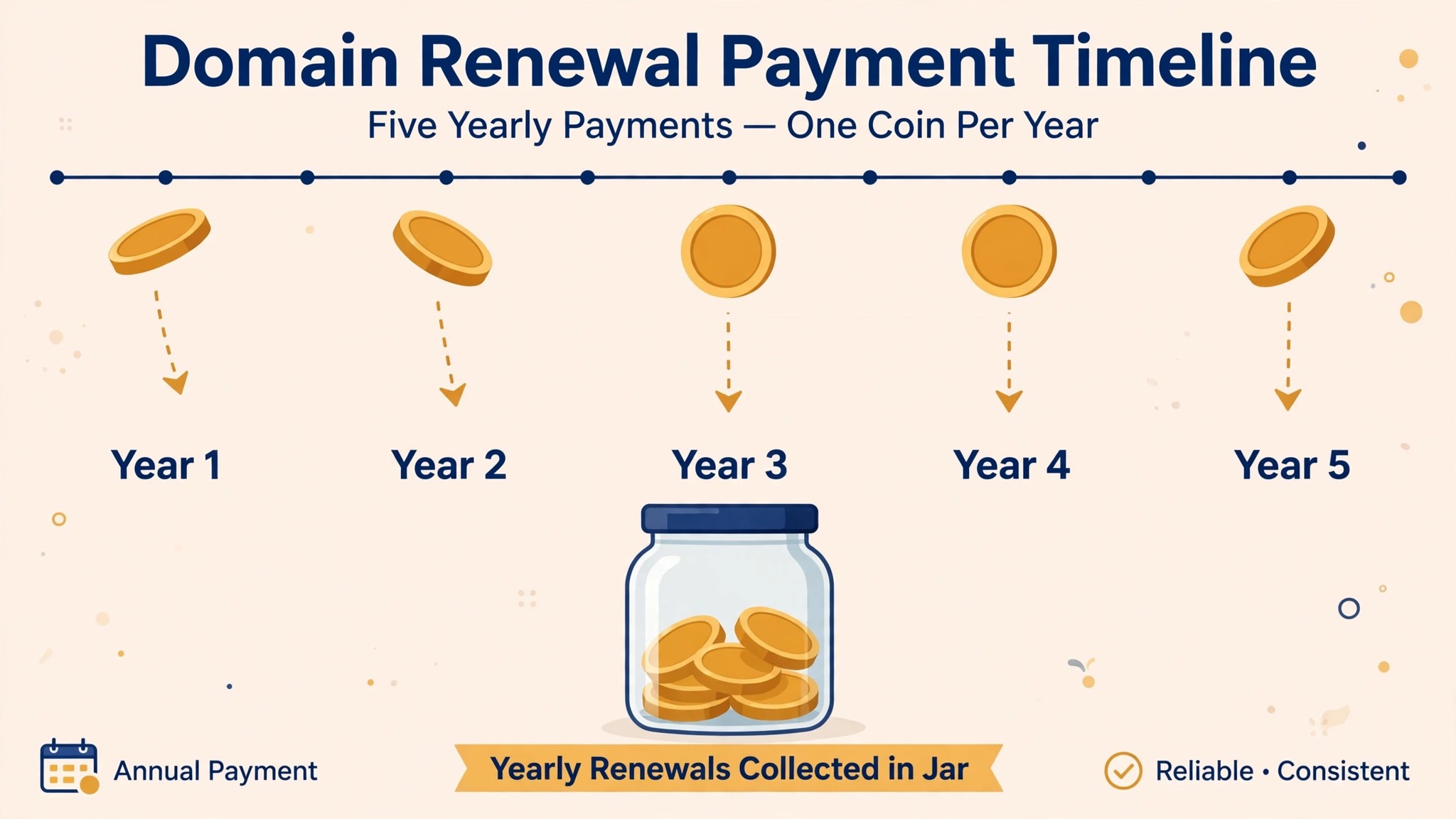
A domain name is rented, not bought outright. You pay for a registration period, usually one year, and you pay again each year to keep it. If you stop paying, the name eventually returns to the pool and anyone else can register it. That annual rhythm is why the renewal price matters far more than the first year price. Over five years you pay the registration price once and the renewal price four times, so a registrar with a cheap first year and an expensive renewal is usually the dearest option in the long run.
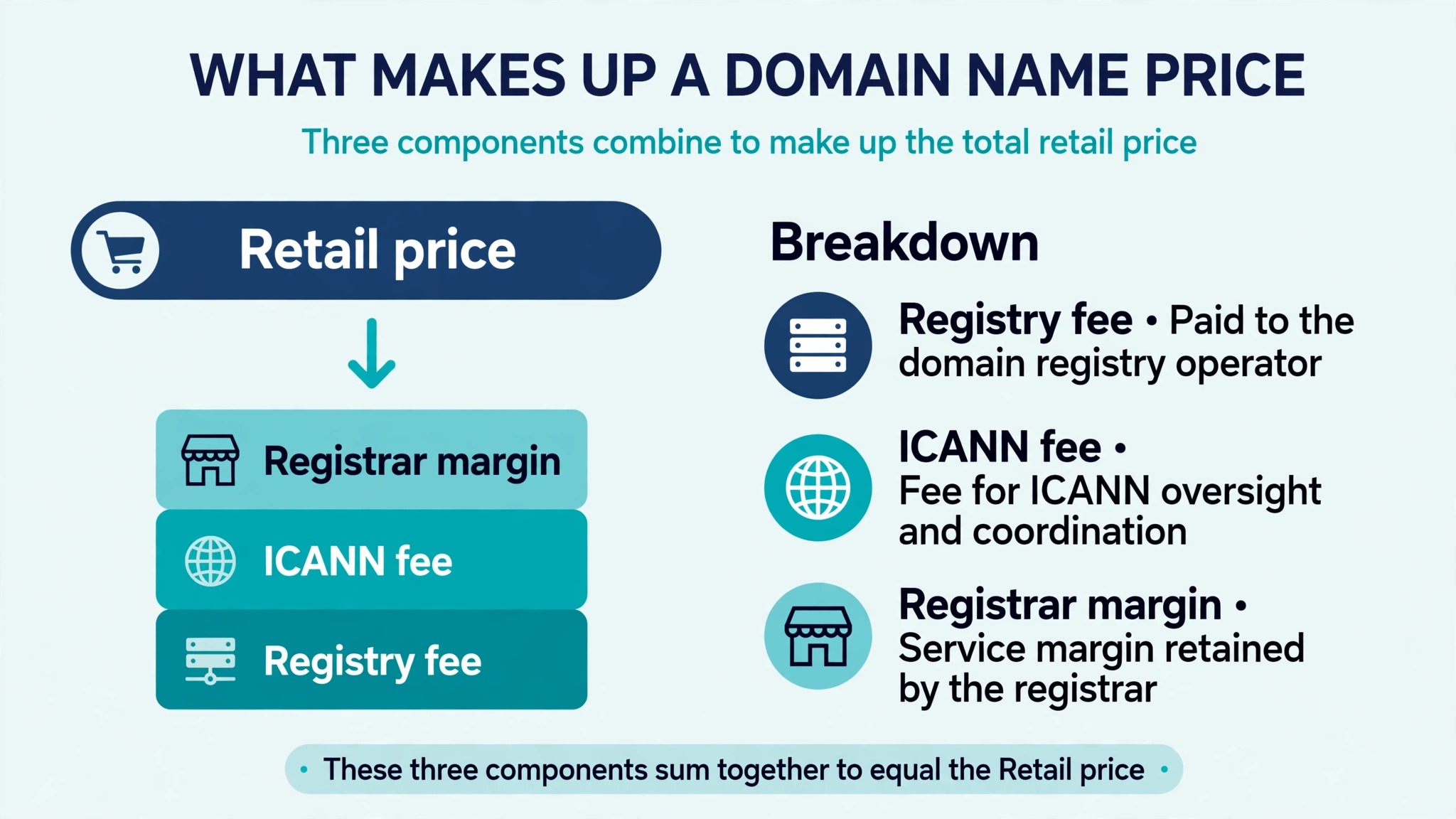
The other fact that shapes every price in this guide is the wholesale floor. Behind every .com registration sits a registry fee paid to Verisign, the company that runs .com, plus a 20 cent fee paid to ICANN for each registration year. In 2026 that floor is 10.46 dollars a year, and it rises to 11.17 dollars from 1 November 2026 when the Verisign fee moves from 10.26 to 10.97 dollars. No registrar can sell a .com below that floor and stay in business, so any price near 10 or 11 dollars is close to cost, and any price far above it is mostly margin and brand.
How Much Does a Domain Name Cost in 2026? The Short Answer
For a standard .com, expect 10 to 22 dollars a year. At the low end, Cloudflare Registrar sells at cost, around 10.44 to 10.46 dollars, and Porkbun lists a .com at about 11.08 dollars with the same price to renew. In the middle, Namecheap lists a .com near 11 to 14 dollars for the first year and renews it near 14 to 18 dollars depending on the offer in force. At the top end, GoDaddy renews a .com at about 22 to 23 dollars a year, even though its first year promotions can drop to a dollar or two.
The honest answer to how much does a domain name cost is therefore a range, and the number you should budget for is the renewal price, not the promotion.
Other endings cost more. A .net or .org usually lands in the same 11 to 23 dollar band as a .com. A .io name typically costs 28 to 52 dollars for the first year and 50 to 75 dollars to renew. A .ai name costs roughly 75 to 92 dollars a year and must be bought for at least two years, so the first bill is usually 150 dollars or more.
Country endings such as .co, .us and .uk sit between the cheap generics and the pricey tech endings, and newer endings such as .app, .dev and .blog vary widely by registrar. The table later in this guide puts the main endings side by side so you can compare them at a glance.
One more short answer matters before the detail. A domain name on its own does not include hosting, email or a website. Those are separate products with separate bills, and registrars often bundle them into the checkout in ways that make the total look like the domain price. If a checkout total is far above the domain price in this guide, an add on is hiding in the cart. Uncheck it, read the renewal line, and only then pay.
What Sets the Price of a Domain Name
Four forces set the price, and understanding them makes every registrar page easier to read. The first is the registry fee. Each ending has a registry that sets a wholesale price, and that price differs sharply by ending. The .com registry fee is about 10 dollars a year. The .io registry charges far more, which is why .io names renew near 50 dollars and above. The .ai registry charges more still, and it also sets a two year minimum term. When a registrar cannot explain a high price, the registry fee is usually the reason, and no amount of shopping around will push the price below it.
The second force is the registrar margin. Some registrars sell close to cost and make their money on hosting and other services. Cloudflare is the clearest example, since it charges the registry fee plus the ICANN fee with no markup, though it requires you to use its nameservers. Porkbun and Spaceship work on thin margins and keep registration and renewal near the same level. Larger retail brands spend heavily on advertising and support, and they recover that spend through higher renewals. The product itself is identical, since a .com registered at one registrar resolves exactly like a .com registered at another, so the margin buys service and convenience rather than a better name.
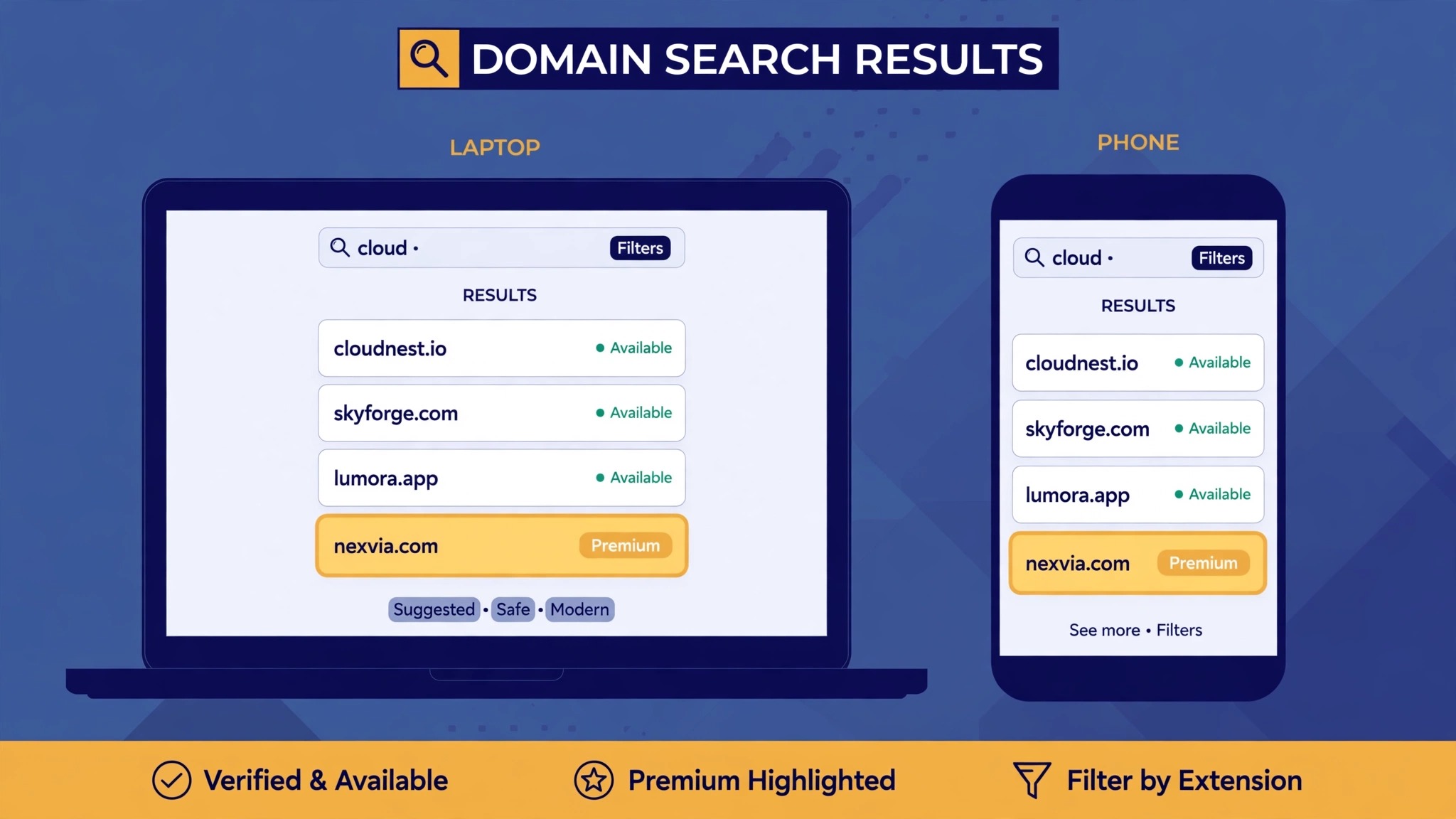
The third force is the name itself. Ordinary names sell at the standard price for their ending. Short names, common words and names the registry has flagged as premium sell for far more, sometimes hundreds or thousands of dollars, and some premium names also renew at a premium rate every year. A premium label in search results is the registry telling you that this exact name carries a higher price, and that price is set by the registry rather than the registrar. If you see a name you love priced at 2,000 dollars, shopping at another registrar will not change it, because the premium price follows the name.
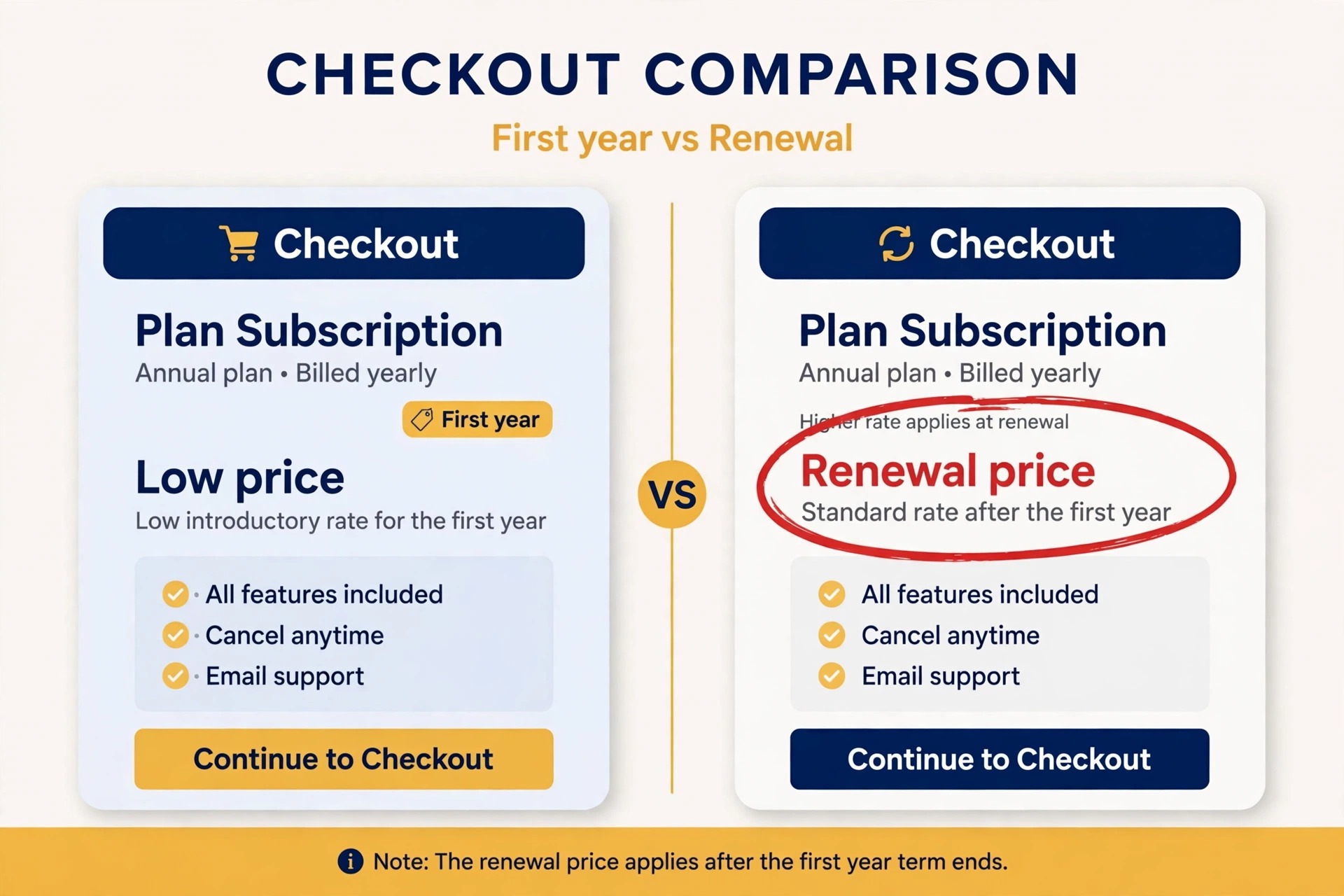
The fourth force is timing. Registrars run first year promotions to win new customers, and those promotions expire, so a one dollar first year is a one year offer and the renewal that follows is the standard price.
What a .com Costs at the Main Registrars
The table below compares the same product, one .com for one year, at five well known registrars, using prices listed in October 2026. First year prices are the promotional or list price a new buyer sees. Renewal prices are what the same name costs in year two and beyond. The five year total is the first year plus four renewals, and it is the number that should drive your choice.
| Registrar | First year .com | Renewal per year | WHOIS privacy | Five year total |
|---|---|---|---|---|
| Cloudflare Registrar | 10.46 dollars | 10.46 dollars | Free | About 52 dollars |
| Porkbun | 11.08 dollars | 11.08 dollars | Free | About 55 dollars |
| Spaceship | 8.88 dollars | 9.98 dollars | Free | About 49 dollars |
| Namecheap | 11.28 dollars | 18.48 dollars | Free | About 85 dollars |
| GoDaddy | 2.99 dollars with code | 22.99 dollars | Free | About 95 dollars |
Three patterns stand out in that table. First, the cheapest first year and the cheapest renewal are rarely at the same registrar. GoDaddy wins year one by a wide margin and loses the five year comparison by a similar margin. Second, the flat price registrars are the cheapest over five years even though none of them wins the first year headline.
Cloudflare, Porkbun and Spaceship charge roughly the same amount every year, so the price you see is the price you keep paying. Third, the gap is large in money terms. Five years of a .com costs about 49 to 55 dollars at the flat price registrars and about 85 to 95 dollars at the two big retail brands, a difference of roughly 40 dollars per name. With ten names that gap passes 400 dollars.
Each registrar also carries a condition worth knowing before you buy. Cloudflare requires you to use its nameservers, which is fine if you already use Cloudflare for DNS and a nuisance if you want your DNS elsewhere. Porkbun includes free WHOIS privacy and charges the same price to transfer a name in, which makes it a good home for a name you already own.
Spaceship adds the 20 cent ICANN fee at checkout, so its five year total runs about a dollar higher than the table shows. Namecheap offers a lower first year price to new customers with a promo code, and its multi year registration prices years two to five at the lower list price rather than the renewal price, so buying five years at once can save money there. GoDaddy adds the ICANN fee at checkout and pre selects add ons in the cart, so read every line before paying.
Prices move, and the figures above are a snapshot from October 2026 rather than a promise. Registrars adjust prices each quarter, run short promotions, and pass on registry increases. The pattern is stable even when the numbers shift. Flat price registrars stay near the wholesale floor, and retail brands discount year one and recover the difference at renewal. Check the renewal line in the cart on the day you buy, because that line is the only price that repeats.
What Other Endings Cost
The ending you choose changes the price more than the registrar does. A .com is the cheapest widely trusted ending because its registry fee is low and competition among registrars is fierce. Other endings carry higher registry fees, smaller markets, or both, and their prices show it. The table below gives first year and renewal prices for the endings buyers ask about most, drawn from registrar listings checked in October 2026. Treat each figure as a typical price rather than a fixed one, since the exact number varies by registrar and by promotion.
| Ending | Typical first year | Typical renewal | Best suited to |
|---|---|---|---|
| .com | 9 to 13 dollars | 10 to 23 dollars | Almost any business or personal site |
| .net | 11 to 14 dollars | 12 to 23 dollars | Networks, tech projects, .com fallback |
| .org | 10 to 13 dollars | 11 to 21 dollars | Nonprofits, communities, open projects |
| .co | 25 to 30 dollars | 25 to 35 dollars | Startups that missed their .com |
| .us | 7 to 12 dollars | 7 to 20 dollars | United States focused businesses |
| .io | 28 to 52 dollars | 50 to 75 dollars | Tech startups and developer tools |
| .ai | 75 to 92 dollars per year | 75 to 92 dollars per year | AI products, with a two year minimum |
| .app | 12 to 15 dollars | 12 to 20 dollars | Mobile and web apps |
| .dev | 11 to 14 dollars | 11 to 20 dollars | Developer portfolios and tools |
| .blog | 8 to 12 dollars | 20 to 30 dollars | Personal blogs, with a renewal jump |
A few endings deserve a closer look. The .io renewal is the trap, since a first year near 28 dollars can renew near 52 dollars or more. The .ai ending is steeper still, with a two year minimum that makes the first payment 150 to 185 dollars. If your project is an AI product, that cost may be fair. If you only want the ending because it looks modern, the .com version is far cheaper to keep.
Premium Names and Why Some Cost Thousands
Search for a short or obvious name and you may see a price of hundreds or thousands of dollars instead of the standard 10 to 20. That is a premium name, and the premium is set by the registry, not the registrar. Registries reserve short names, common words and names they expect to be valuable, and they price those names individually. A one word .com such as a common verb or noun can carry a premium of five figures. A short three letter name can cost more than a car. The premium applies at registration, and for some names it also applies at every renewal, which means the high price repeats annually for as long as you hold the name.
Premium pricing is not negotiable at the registrar. The price follows the name across registrars, so checking a second seller will show the same premium, sometimes with a small difference in fees. What you can do is decide whether the name is worth it. For most small businesses it is not. A longer name that includes your business name, your city, or your niche usually costs the standard price and works just as well in search results and in print. Visitors remember a name they can spell and say aloud. They do not care whether it is one word or three, and search engines rank pages on content and authority rather than on how short the domain is.
There is a second kind of expensive name worth distinguishing from registry premiums. Names already owned by someone else are sold on the aftermarket, through marketplaces such as Afternic and Sedo, and their prices are set by the current owner. Never pay a stranger directly for a domain. Use the marketplace escrow process so the payment releases only when the name moves into your account.
The Renewal Trap and How to Avoid It
The renewal trap is the single most expensive habit in domain buying, and it works because the first year price is the one advertisers show. A registrar can afford to sell year one at a loss when it knows year two will recover the difference twice over. The buyer sees a one dollar name, registers it, builds a site on it, and then faces a renewal at 23 dollars with the cost of moving the site acting as a barrier to leaving. The registrar did nothing deceptive. The renewal price was listed, just in smaller print and on a later screen. The buyer simply never looked at it.
Avoiding the trap takes about two minutes at the point of purchase. First, find the renewal price on the registrar price page before you search for a name, and write it down. Second, check the cart line by line and remove every add on you did not ask for. Common add ons are premium DNS, email hosting, site security scans and website builders, and each one adds a yearly charge of its own.
Third, decide whether to register for more than one year. Multi year registration locks the current price for the years you buy, and at some registrars the extra years bill at the lower list price rather than the renewal price. Namecheap is one example. Buying five years at once there cost about 71 dollars in October 2026 against about 85 dollars for one year plus four renewals.
Auto renewal deserves a deliberate decision rather than a default. Leaving auto renewal on protects you from losing a name you care about, and losing a name can cost far more than a year of renewal fees, since expired names can be snapped up by others within days. Turning it off saves money on names you no longer need, but only if you actually let them go. The practical middle ground is to leave auto renewal on for names tied to a live site or a business email address, and to turn it off for speculative names you registered on a whim. Set a calendar reminder a month before each renewal so the charge never surprises you.
One more timing rule protects you. A domain registered or transferred within the last 60 days cannot be transferred to another registrar. That is a registry rule, not a registrar policy, and it applies everywhere. If you register a name at a registrar with high renewals, you cannot move it for two months, and by then you may have built on it. Choose the registrar with the renewal in mind, because the first 60 days give you no exit.
Transfer, Privacy and the Other Fees
Beyond registration and renewal, a domain carries a handful of smaller fees that add up across a portfolio. WHOIS privacy is the most common. When you register a name, your contact details go into a public database unless you pay for privacy protection or your registrar includes it free. Most registrars now include it free on most endings, including Cloudflare, Porkbun, Namecheap and GoDaddy, but some charge 3 to 10 dollars a year per name, and a few charge more for country endings. If your registrar charges for privacy, that fee belongs in your five year total.
Transfers are usually cheap because a transfer adds a year to the registration. For .com, .net and .org, the transfer price is normally close to the renewal price, and the year it adds means you are not paying for nothing.
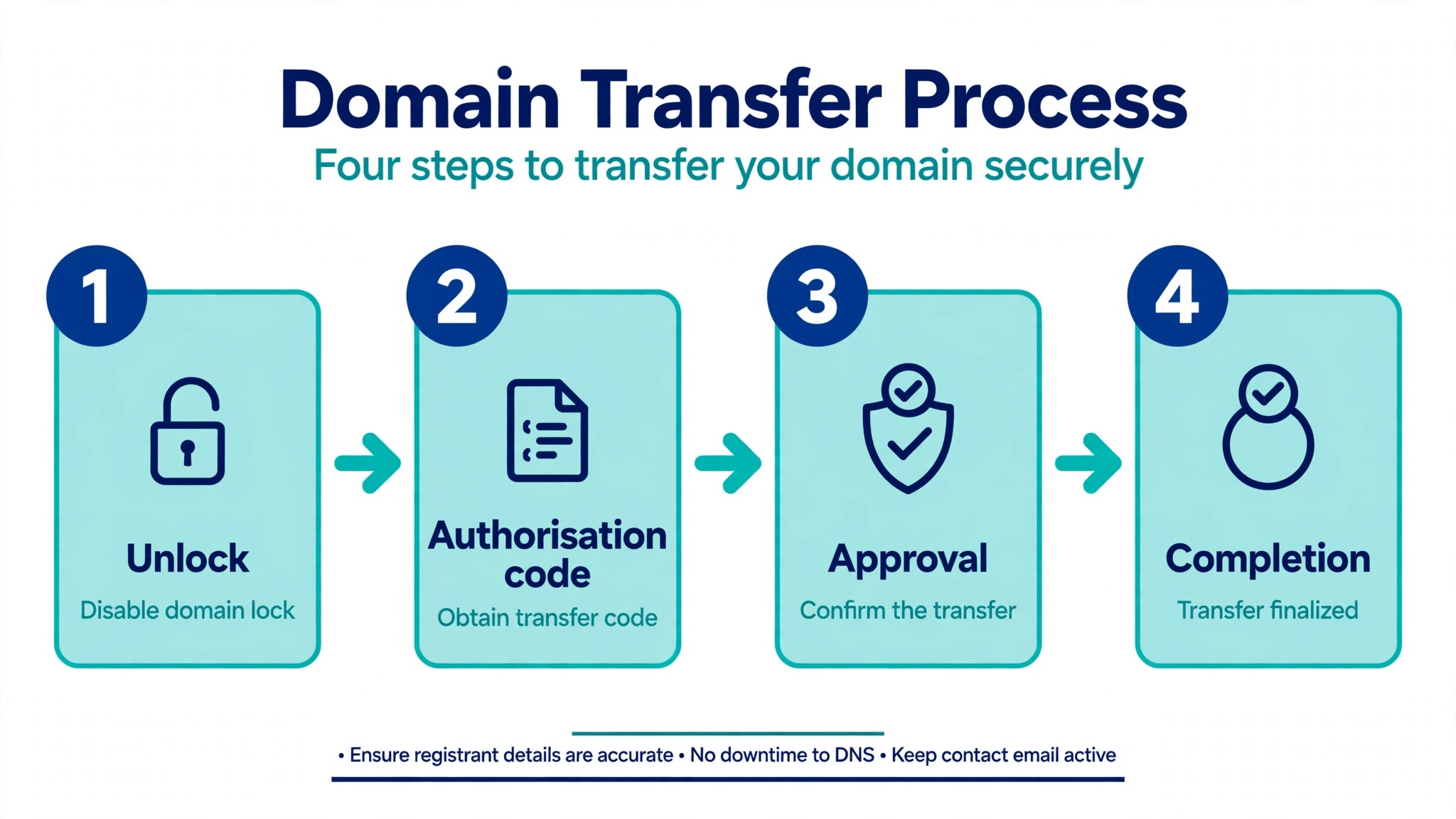
Porkbun charges about 11 dollars to transfer a .com in. Spaceship charges about 9.48 dollars. Some endings cannot be transferred in at all, including .uk and .fi under their registry rules, so check before you plan a move. To transfer, unlock the name at your current registrar, request the authorisation code, sometimes called the EPP code, and approve the transfer email. The process usually takes a few days, and your site stays live throughout if your DNS settings are left untouched.
Expiry is where small fees become large ones. If a name expires, most registrars hold it in a grace period of about 30 days during which you can renew at the normal price. After that comes a redemption period, often another 30 days, during which recovery costs a redemption fee on top of the renewal. Reported redemption fees run from about 55 dollars at some registrars to 200 dollars at others, and the fee varies by registrar and ending. After redemption the name returns to the public pool and anyone can register it. The cheapest protection against all of this is auto renewal on the names that matter, plus a working payment method and an email address you actually read.
Email hosting and SSL certificates are the two add ons most often mistaken for domain costs. A domain alone gives you an address, not a mailbox. Email hosting typically costs 1 to 6 dollars a month per mailbox, and an SSL certificate is often free through hosting providers and through Cloudflare.
Five Year Cost Compared by Situation
A single price table cannot answer the question for every buyer, because a blogger with one name and a business with twenty names face different arithmetic. This is where the question of how much does a domain name cost becomes a budget by situation. The table below compares the same five year period across four common situations, using the October 2026 registrar prices from earlier in this guide. Each row assumes one .com renewed yearly, except the portfolio row, which assumes ten names.
| Situation | Cheapest route | Five year cost | What to watch |
|---|---|---|---|
| One personal blog | Spaceship or Cloudflare | About 49 to 52 dollars | Use free privacy and free SSL from your host |
| One small business site | Porkbun or Cloudflare | About 52 to 55 dollars | Keep auto renewal on, protect the business email |
| One startup on .io | Porkbun for .io | About 250 to 350 dollars | Renewal near 50 to 75 dollars a year, budget for it |
| Ten name portfolio | Spaceship or Porkbun | About 490 to 550 dollars | One expensive registrar adds 400 dollars over five years |
The portfolio row is the one that surprises people. Ten names at GoDaddy renewal prices cost about 1,150 dollars over five years against about 490 dollars at Spaceship, a difference of roughly 660 dollars for identical names. If you already hold names at an expensive registrar, transferring them out is usually worth the effort, since each transfer adds a year and moves future renewals to the cheaper price.
How to Pick a Registrar
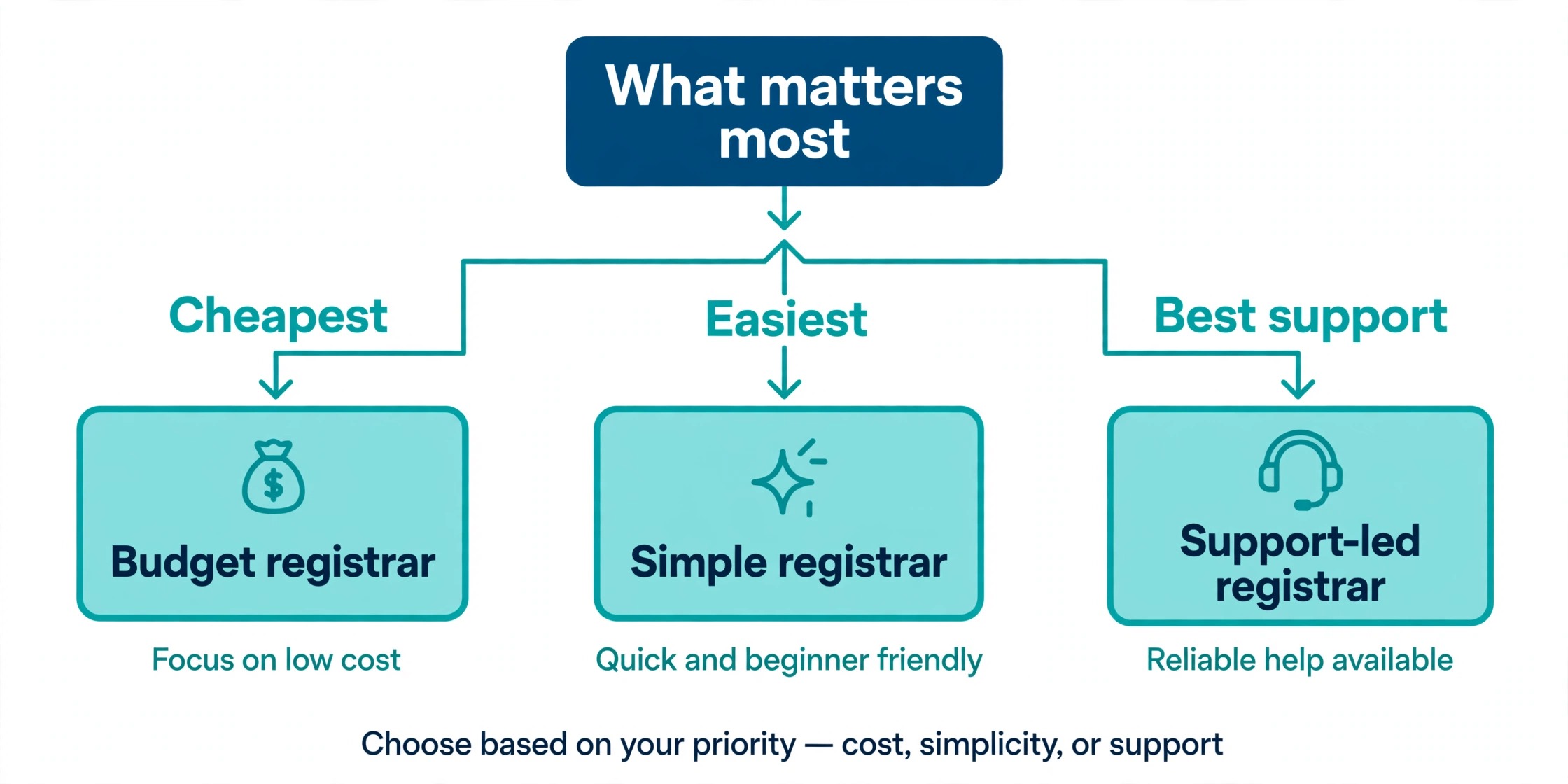
Price is the easiest factor to compare, but it is not the only one. A registrar you cannot reach when something goes wrong is expensive at any price. Use the decision table below to match a registrar to your situation rather than chasing the lowest first year headline.
| If you are | Best pick | Why it fits |
|---|---|---|
| Price focused and comfortable with DNS | Cloudflare Registrar | At cost pricing, no markup, free privacy |
| Price focused and want a simple dashboard | Porkbun | Near cost pricing, free privacy, easy transfers |
| Buying many names at once | Spaceship | Lowest five year total in our check, flat pricing |
| A beginner who wants phone support | Namecheap | Friendly dashboard, wide help guides, fair list price |
| Already hosted with a big brand | GoDaddy | Convenience of one account, if you accept the renewal |
Support quality is hard to measure from a pricing page, so test it before you commit a business name. Send the support team one real question and time the reply. Check whether the registrar offers two factor authentication, because a domain account without it is a theft risk. Lock your account, use a strong unique password, and keep your contact email current so transfer approval messages reach you.
A Checklist Before You Pay
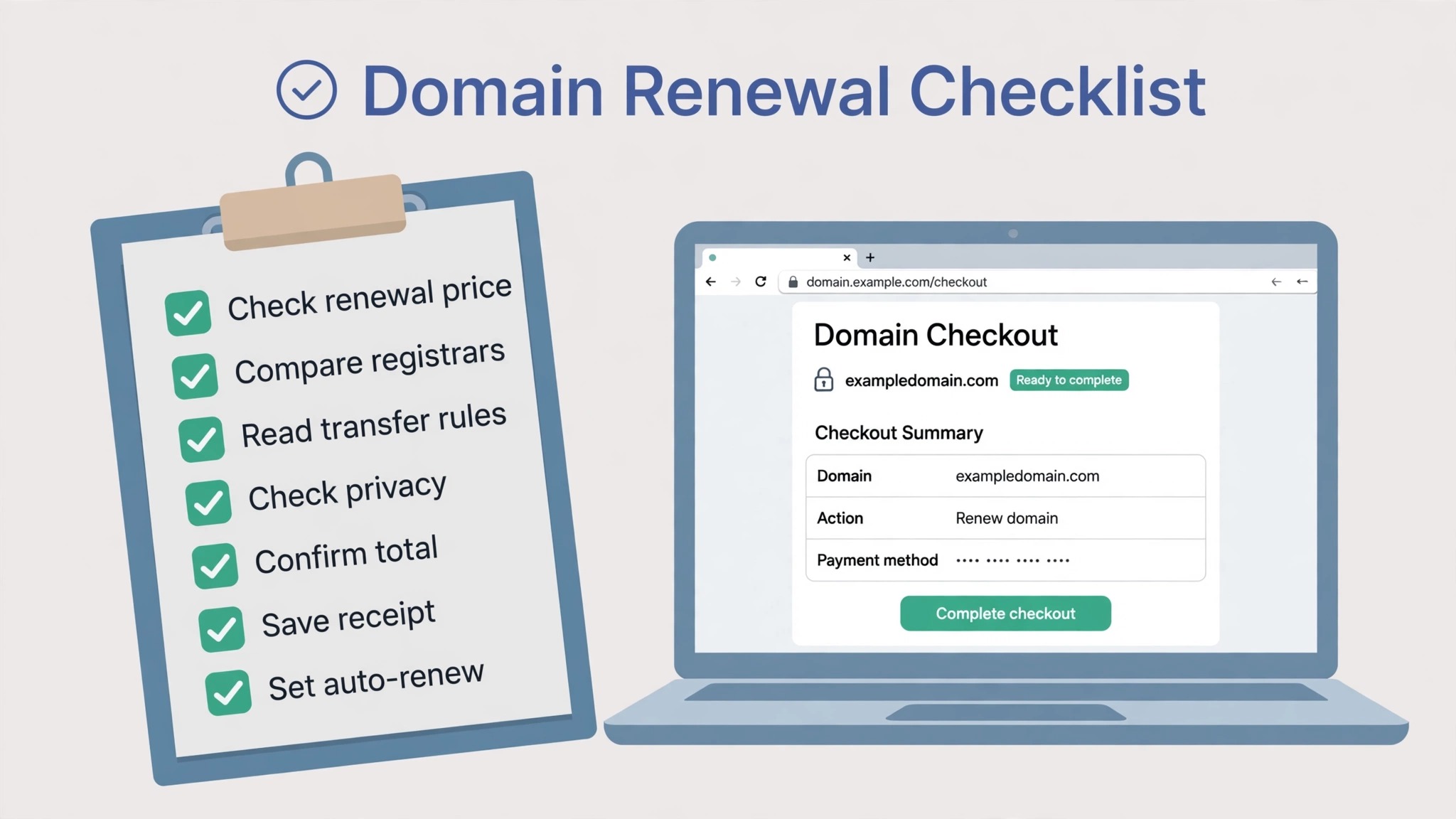
Run through these steps in order on the day you buy, since each one prevents a specific surprise later. The whole list takes about ten minutes, and it answers how much does a domain name cost for your exact name rather than for a typical one.
- Search the name at two registrars and write down both the first year price and the renewal price for each one.
- Check whether the name is flagged premium, and if it is, confirm whether the premium repeats at renewal.
- Read the cart line by line and remove every add on you did not ask for, including premium DNS, email and security scans.
- Confirm WHOIS privacy is included free, and if it is not, add its yearly price to your five year total.
- Decide on one year or several years, and check whether multi year registration bills the extra years at the lower list price.
- Turn on auto renewal for any name tied to a live site or business email, and set a calendar reminder one month before the renewal date.
- Turn on two factor authentication on the registrar account before you log out, and save the backup codes somewhere safe.
Frequently Asked Questions
How much does a domain name cost per year for a small business?
A small business usually pays 10 to 23 dollars a year for a .com, depending on the registrar. Budget for the renewal price rather than the first year promotion. A single .com at a flat price registrar costs about 50 to 55 dollars over five years, while the same name at a retail brand costs about 85 to 95 dollars over the same period. Add email hosting separately, since a domain alone does not include a mailbox.
Why is my domain renewal more expensive than the first year?
Registrars discount the first year to win new customers and recover the difference at renewal. The renewal price is the standard price for that ending at that registrar, and it repeats every year. This is normal across the industry, not a billing error. The fix is to compare renewal prices before you buy, or to transfer the name to a registrar with flat pricing after the 60 day transfer lock expires.
Does a domain name cost include hosting and email?
No. A domain name is only the address. Hosting, the server space where your site files live, is a separate bill, usually a few dollars a month. Email hosting is also separate, usually 1 to 6 dollars a month per mailbox, though free options exist. Some registrars bundle these into the checkout, which is why a cart total can look far higher than the domain price alone. Remove the bundle items if you already have hosting and email elsewhere.
What is the cheapest way to keep a domain for five years?
Register at a flat price registrar such as Cloudflare, Porkbun or Spaceship, where the renewal matches the first year price. Five years of a .com costs about 49 to 55 dollars at those registrars in our October 2026 check, against about 85 to 95 dollars at the big retail brands. Buying several years at once can save more at registrars that bill extra years at the list price instead of the renewal price. Always confirm the renewal line in the cart before paying.
How much does a domain name cost if the name is premium?
A premium name can cost anywhere from a few hundred dollars to five figures at registration, and some premium names also renew at a premium rate every year. The price is set by the registry and follows the name across registrars, so shopping around will not lower it. For most small businesses a longer standard price name works just as well, and visitors remember a name they can spell far more easily than a short expensive one.
Can I move my domain to a cheaper registrar later?
Yes, for most endings. Unlock the name at your current registrar, request the authorisation code, and start the transfer at the new registrar. The transfer usually adds a year to the registration and costs close to the renewal price. Two limits apply. A name registered or transferred within the last 60 days cannot move yet, and a few endings such as .uk cannot be transferred in under their registry rules. Your site stays live during a transfer if you leave the DNS settings untouched.
What happens if I forget to renew my domain?
Most registrars hold an expired name in a grace period of about 30 days, during which you can renew at the normal price. After that comes a redemption period, often another 30 days, when recovery costs a redemption fee of roughly 55 to 200 dollars on top of the renewal. After redemption the name returns to the public pool and anyone can register it. Auto renewal on the names that matter, plus a payment method that stays valid, is the cheapest protection against losing a name.
The Bottom Line on Domain Prices
A .com costs about 10 to 23 dollars a year, and the only number that matters for your budget is the renewal price at the registrar you choose. That is the full answer to how much does a domain name cost for a business that plans ahead.
Flat price sellers keep five years near 50 dollars, while retail brands push the same period toward 90 dollars or more, and the gap grows with every name you own. Check the renewal line, strip the cart add ons, lock the account with two factor authentication, and let auto renewal guard the names your business depends on. Buy the name that fits your budget for the next five years, not the promotion that fits this week.